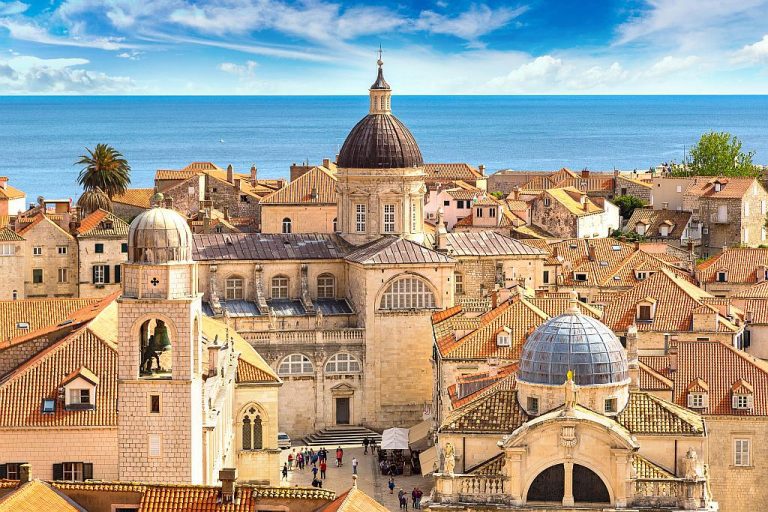
Croatia has 10 UNESCO World Heritage properties, but not all of them work the same way for travelers. Want to string the big sites into one trip? The 7-day Croatia itinerary covers Split and Dubrovnik in a week.
Some are easy: Dubrovnik, Split, Trogir, Šibenik, Poreč and Plitvice can fit into a normal Croatia route. Others are transnational listings, forest zones or archaeological landscapes where the UNESCO value is real, but the visitor experience is less obvious.
This guide gives you the full 2026 list, explains what each site actually is, and shows which ones to prioritize if you have one week, two weeks or a culture-heavy road trip.
If you are planning the classic coast-to-inland route, start with the Plitvice Lakes National Park guide and the Dalmatia Dubrovnik destination guide alongside this list. Those two anchors cover the most famous natural and urban UNESCO stops in Croatia.
Quick Answer: How Many UNESCO World Heritage Sites Are in Croatia?
Croatia has 10 UNESCO World Heritage properties on the official UNESCO list.
UNESCO lists Croatia with 8 cultural properties and 2 natural properties. The number can feel confusing because several are shared across multiple countries, and some have more than one Croatian location.
| Type | Number | Examples |
| Cultural World Heritage properties | 8 | Dubrovnik, Split, Trogir, Šibenik and Poreč are the easiest to visit; Stari Grad Plain, Stećci and Venetian Works of Defence complete the cultural list |
| Natural World Heritage properties | 2 | Plitvice Lakes, ancient beech forest components |
| Tentative List entries | 15 | Zadar, Ston, Korčula, Motovun, Velebit and more |
The easiest first-trip combination is Dubrovnik, Split, Trogir, Šibenik and Plitvice. Add Poreč if you are visiting Istria, and Stari Grad Plain if your route includes Hvar.
Full List of Croatia UNESCO World Heritage Sites
This is the official Croatia UNESCO World Heritage list in practical travel terms.
| UNESCO property | Type | Year listed | Where to visit in Croatia | Best for travelers? |
| Old City of Dubrovnik | Cultural | 1979, extended 1994 | Dubrovnik | Yes, essential |
| Historical Complex of Split with the Palace of Diocletian | Cultural | 1979 | Split | Yes, essential |
| Plitvice Lakes National Park | Natural | 1979, extended 2000 | Lika-Karlovac | Yes, essential |
| Episcopal Complex of the Euphrasian Basilica in Poreč | Cultural | 1997 | Poreč, Istria | Yes, if visiting Istria |
| Historic City of Trogir | Cultural | 1997 | Trogir near Split | Yes, easy add-on |
| Cathedral of St James in Šibenik | Cultural | 2000 | Šibenik | Yes, very manageable |
| Stari Grad Plain | Cultural | 2008 | Hvar island | Yes, but more niche |
| Stećci Medieval Tombstone Graveyards | Cultural, transnational | 2016 | Cista Velika and Dubravka areas | Niche |
| Venetian Works of Defence | Cultural, transnational | 2017 | Zadar and St Nicholas Fortress near Šibenik | Yes, if already nearby |
| Ancient and Primeval Beech Forests | Natural, transnational | 2007 onward, Croatia added 2017 | Northern Velebit and Paklenica zones | Niche unless hiking |
Do not treat the list like a checklist you need to complete. The first six are easy to experience as normal travel sights. The last four need more context, more planning or a specific interest.
Which Croatia UNESCO Sites Should You Prioritize?
Most first-time travelers should prioritize Dubrovnik, Split, Plitvice, Trogir and Šibenik.
That gives you one walled city, one Roman palace city, one major national park, one compact medieval town and one cathedral-focused old town. It is a much stronger route than trying to chase every inscription.
| If you have | Prioritize | Why |
| 3 to 5 days | Split, Trogir, Šibenik | Easy to connect in central Dalmatia |
| 7 days | Dubrovnik, Split, Trogir, Šibenik, Plitvice | Strong first Croatia route |
| 10 to 14 days | Add Poreč and Hvar/Stari Grad Plain | Good if you include Istria and islands |
| Hiking-focused trip | Add Northern Velebit or Paklenica | Better for nature travelers |
| History specialist trip | Add Stećci and Venetian defence sites | More niche, less obvious on a first visit |
If you want a guided explanation rather than a photo stop, use tours selectively. For Plitvice, logistics matter, so this Zagreb to Rastoke and Plitvice guided tour is useful if you are not renting a car.
For cities, a guide matters most in Split and Dubrovnik because the UNESCO value is built into the urban fabric. Without context, Split can look like a busy old town rather than a living Roman palace.
Old City of Dubrovnik
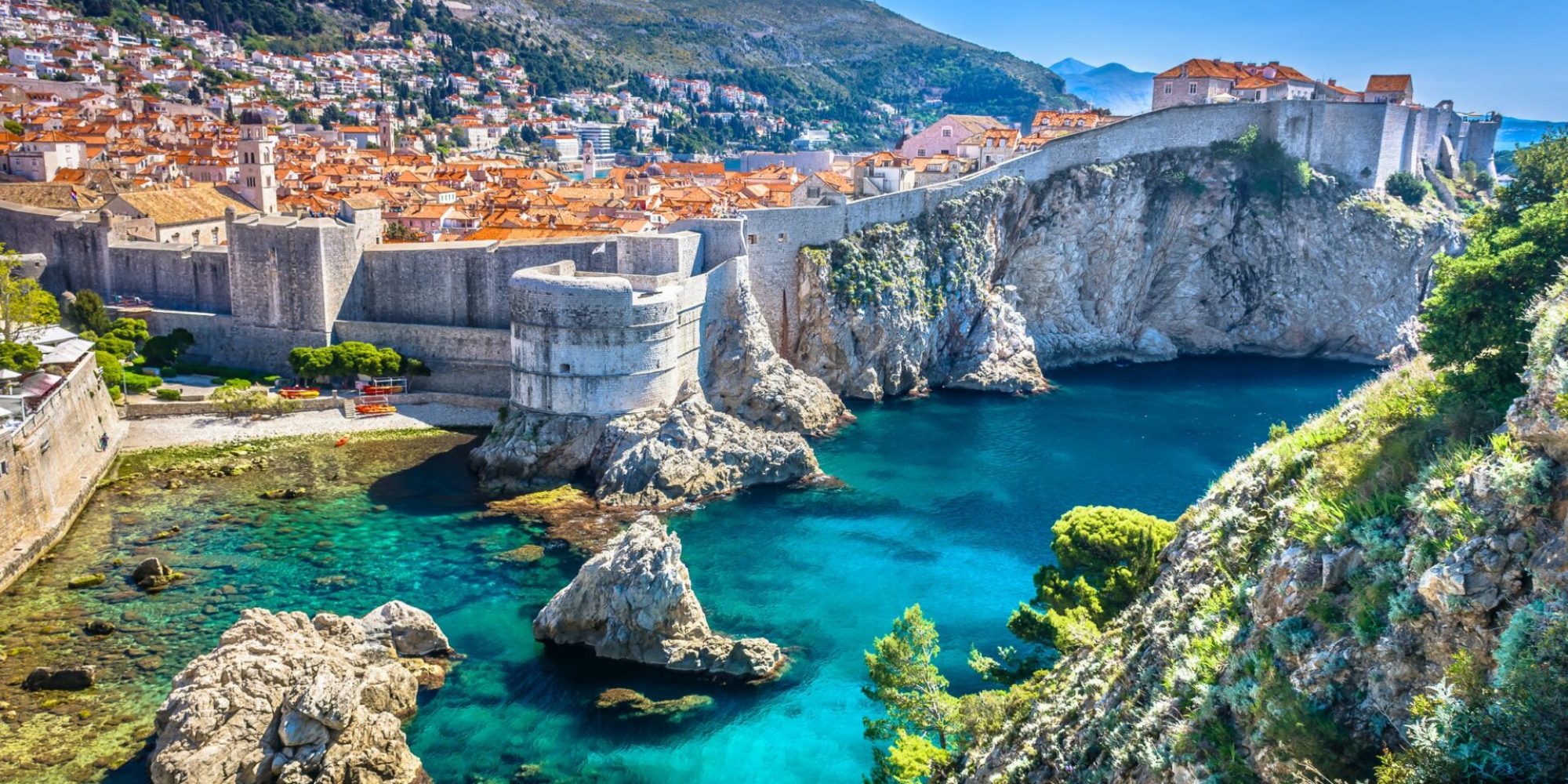
Dubrovnik is Croatia's most famous UNESCO site, and yes, the crowds are part of the story now.
UNESCO listed the Old City of Dubrovnik in 1979, with an extension in 1994. The site is known for its walls, limestone streets, churches, monasteries, palaces and carefully preserved urban plan.
The best way to understand Dubrovnik is not to rush from the Pile Gate to the city walls and leave. Walk the walls early or late, then spend time away from Stradun, where the smaller lanes show how compact the city really is.
If you want the UNESCO context while you walk, this Dubrovnik old town and city walls story tour is a better fit than a general photo walk.
The honest caveat: Dubrovnik is not the most relaxed UNESCO stop in Croatia. It is famous, expensive and busy. It is still worth seeing, but it works best with an early start and a plan.
Historical Complex of Split with Diocletian's Palace
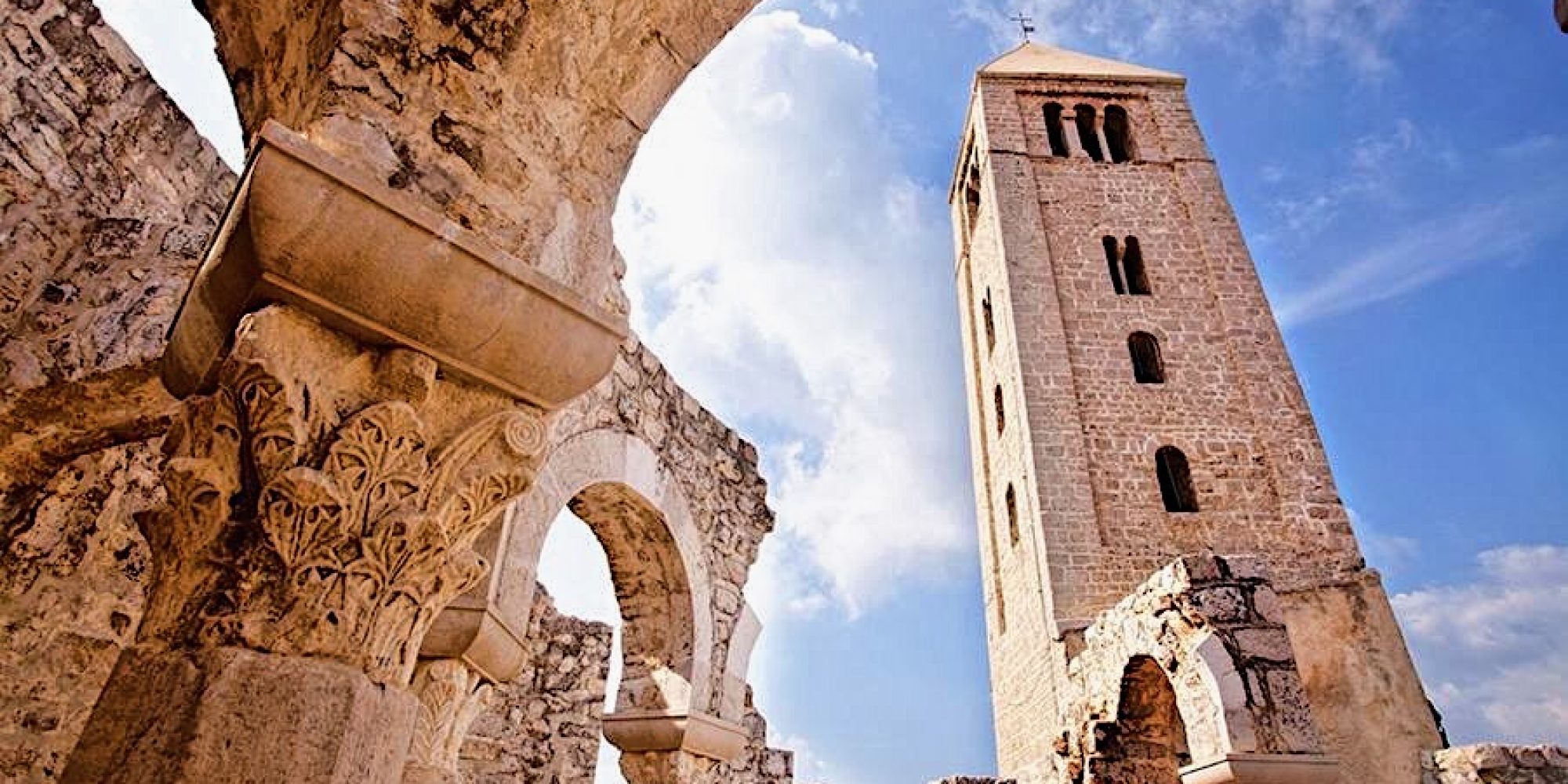
Split is one of the best UNESCO sites in Croatia because the listed area is still lived in.
Diocletian's Palace was built for the Roman emperor Diocletian around the turn of the 4th century. The old palace structure became the core of Split's historic center rather than a sealed archaeological monument.
That is why Split can feel messy in the best way. Apartments, cafes, courtyards, churches, shops and Roman walls all sit inside the same living old town.
The Dalmatia Split guide is the right planning hub if you are using Split as a base. From there, Trogir and Šibenik become easy UNESCO add-ons.
For a first visit, a short guided walk is worth it. This Split Old Town and Diocletian Palace walking tour helps separate the Roman palace layer from the later medieval city.
Plitvice Lakes National Park
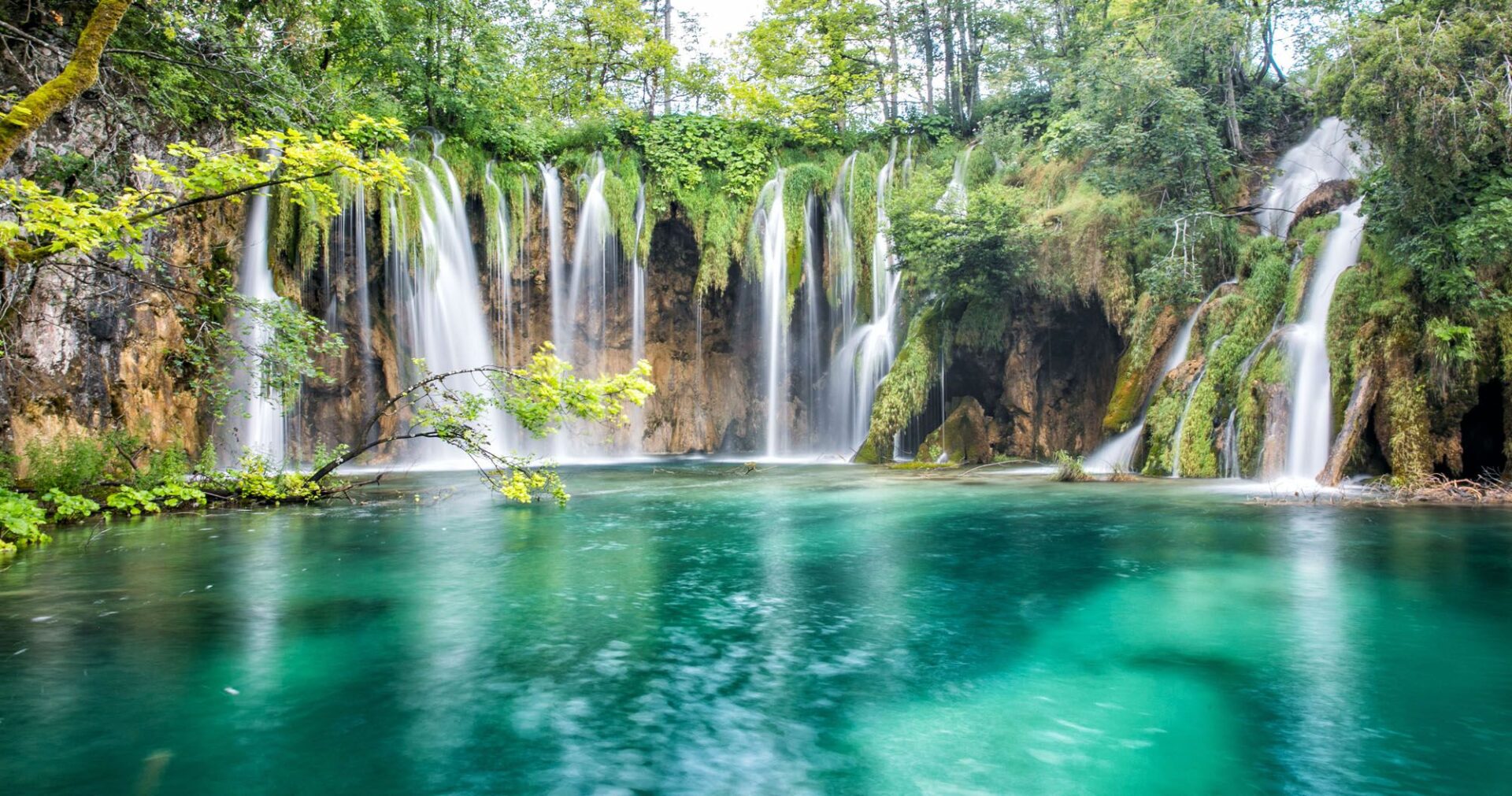
Plitvice Lakes is Croatia's major natural UNESCO site and the strongest inland stop for most visitors.
UNESCO listed Plitvice in 1979 for its lake system, waterfalls and tufa formation process. It is also Croatia's oldest and largest national park.
The park is easy to admire and easy to plan badly. Tickets are tied to entrances and time slots, routes vary by duration, and the boardwalks can get crowded in summer.
Use the full Plitvice Lakes National Park guide before you buy tickets. The best first-visit routes are usually Program C from Entrance 1 or Program H from Entrance 2, depending on where you start.
Plitvice pairs best with Zagreb, Zadar or an inland road trip. It is possible from Split, but it becomes a long day.
Poreč and the Euphrasian Basilica
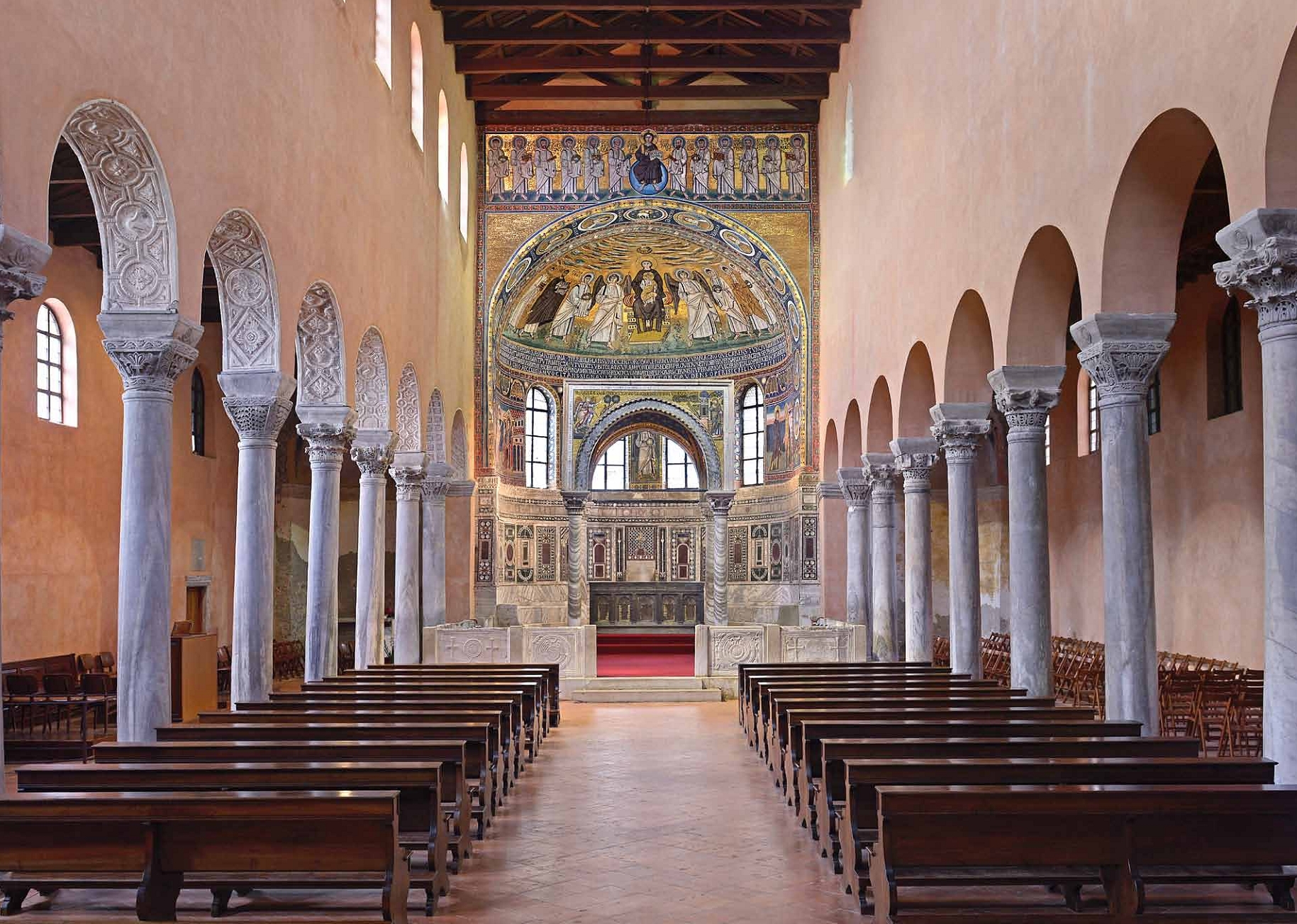
Poreč is the Istrian UNESCO stop most first-time visitors underestimate.
The Euphrasian Basilica complex dates to the 6th century and is known for early Byzantine art and mosaics. It sits inside Poreč's historic center, so you can combine it with the old town, waterfront and an Istrian coast route.
This is not a full-day UNESCO site for most travelers. It is more like the cultural reason to choose Poreč as one of your Istrian bases.
Use the Poreč Croatia travel guide if you are comparing it with Rovinj, Pula or inland Istria. Poreč is practical, but not the quietest option on the peninsula.
Historic City of Trogir
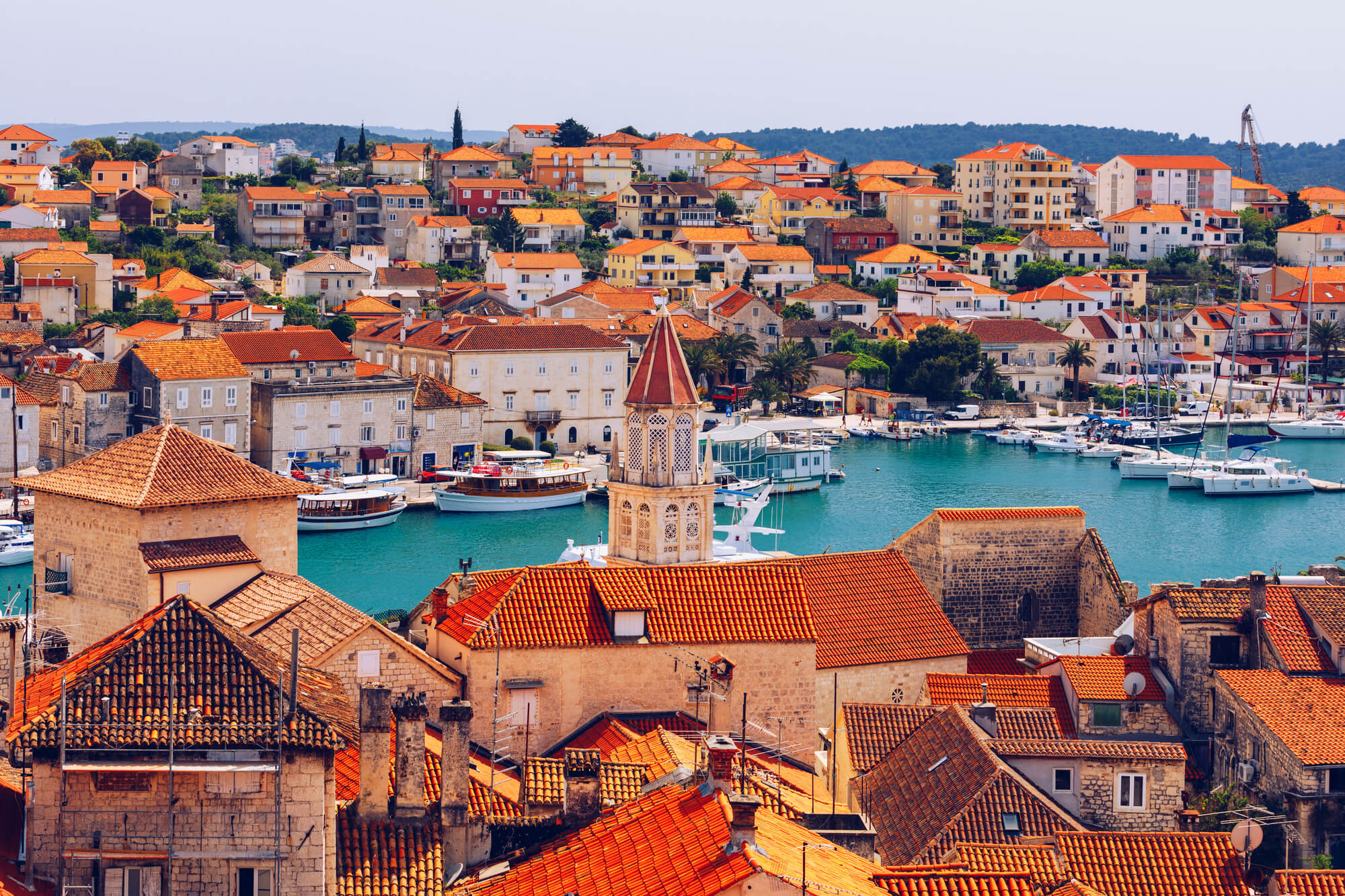
Trogir is the easiest UNESCO add-on from Split.
The historic city sits on a small island between the mainland and Čiovo. UNESCO listed it in 1997 for its preserved medieval urban fabric, Romanesque and Renaissance architecture, and compact historic core.
Trogir works well because it is small. You do not need a whole day unless you want a slow lunch, waterfront time and extra wandering.
If your schedule is tight, combine Trogir with Split. If your schedule is better, give Trogir an evening when the day-trippers thin out.
Cathedral of St James in Šibenik
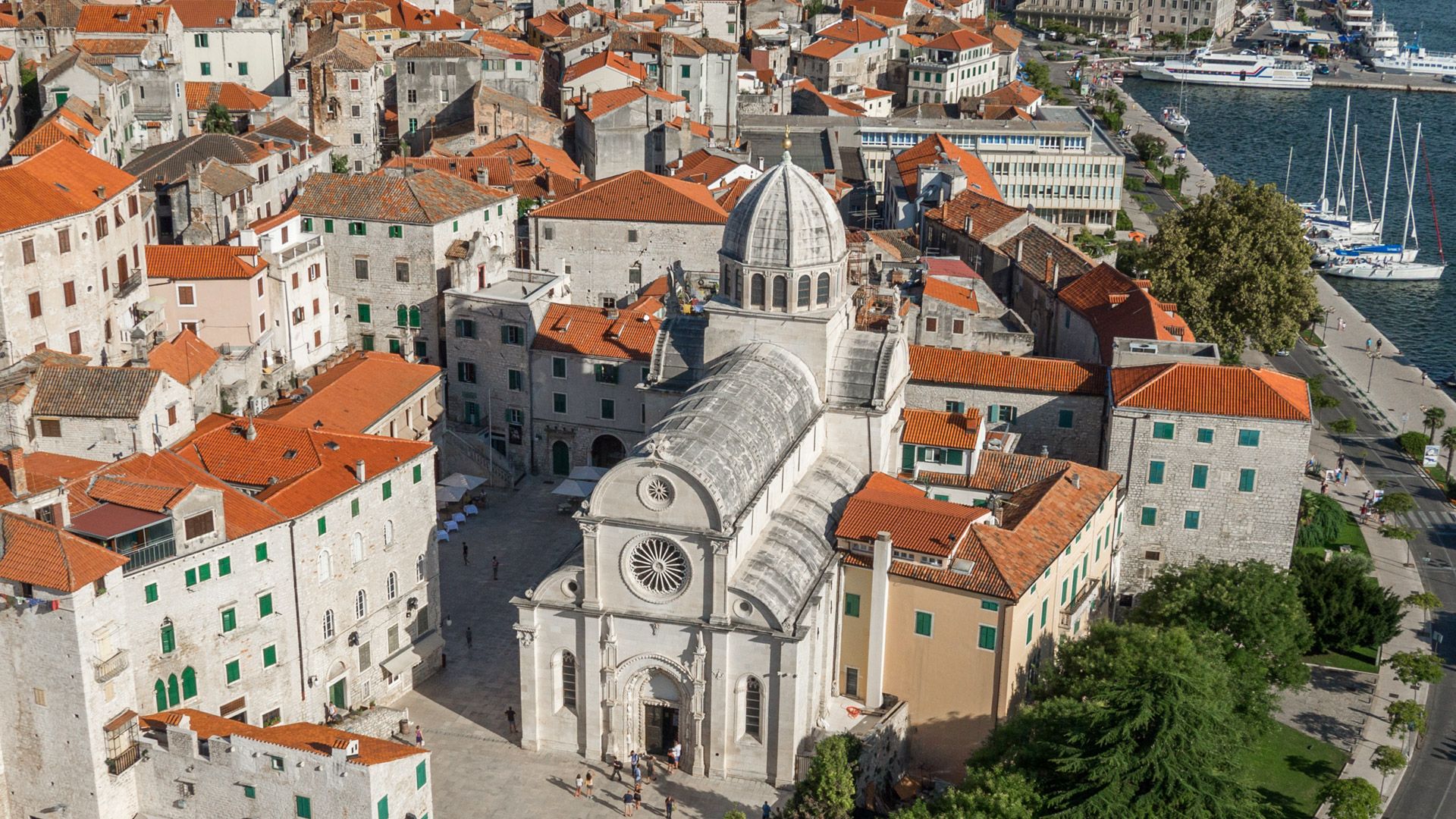
Šibenik's Cathedral of St James is one of the most focused UNESCO sites in Croatia.
The cathedral was listed in 2000 and is known for its stone construction, sculpted heads and Renaissance architecture. It is not just "another church in Dalmatia." It is the reason Šibenik belongs in a culture-heavy Croatia route.
The city around it also helps. Šibenik has a stone old town, fortresses, a good waterfront and easy access to Krka National Park.
Use the Šibenik Croatia travel guide if you want a base between Zadar and Split that feels less obvious than both.
Stari Grad Plain on Hvar
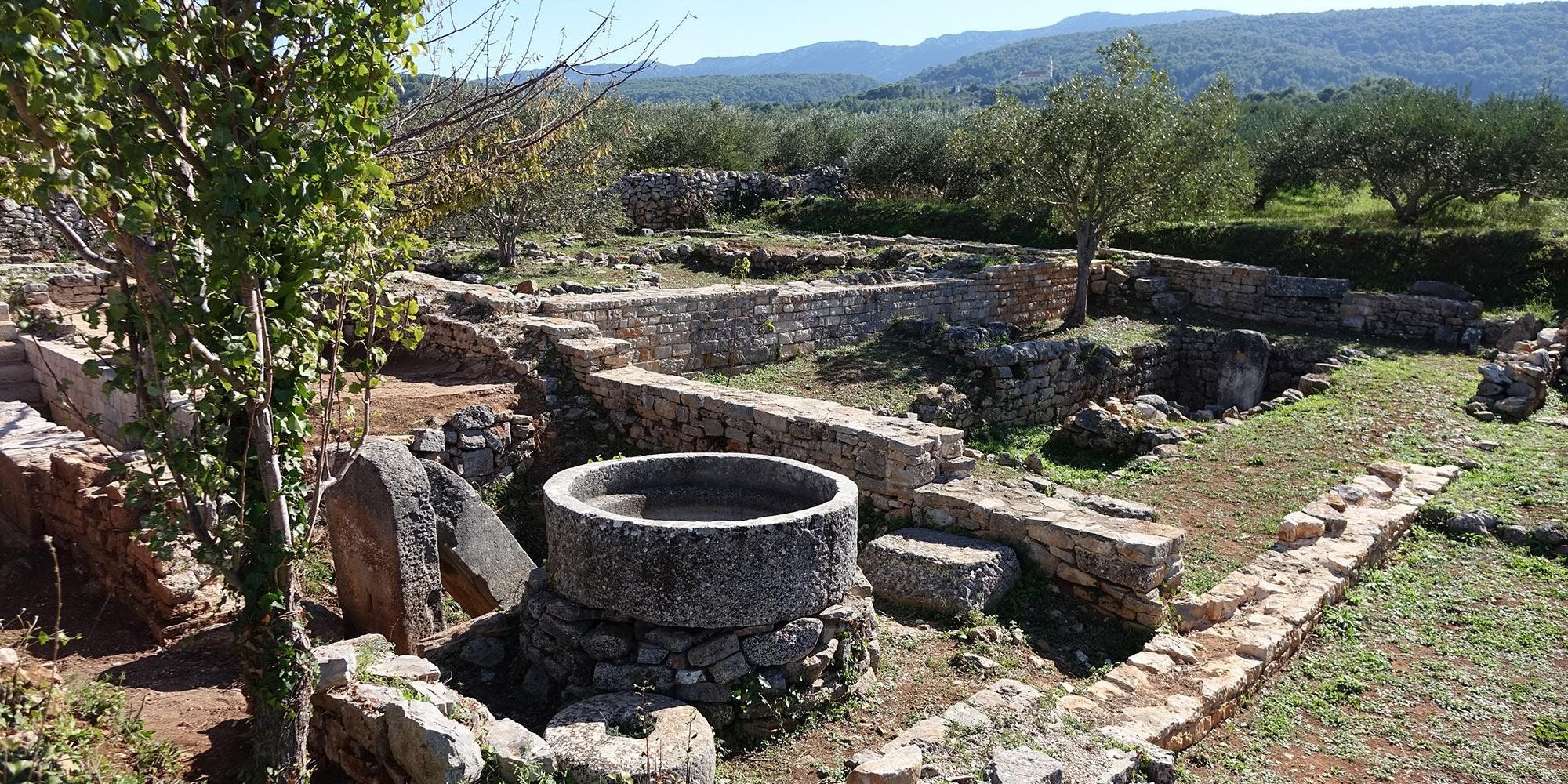
Stari Grad Plain is the least flashy UNESCO site on this list, which is exactly why people misunderstand it.
UNESCO listed it in 2008 because the agricultural landscape has preserved a field system dating back to Greek colonization in the 4th century BCE. The point is not one monument. The point is a working cultural landscape that has lasted for more than 2,000 years.
If you are going to Hvar only for Hvar Town nightlife or beaches, Stari Grad Plain may feel too subtle. If you like archaeology, food, cycling or landscape history, it becomes much more interesting.
For island planning, connect this with the Croatia island hopping guide. Hvar is easy to add to Split, Vis, Brač or Korčula routes, but Stari Grad needs slower attention than a port stop.
Stećci Medieval Tombstone Graveyards
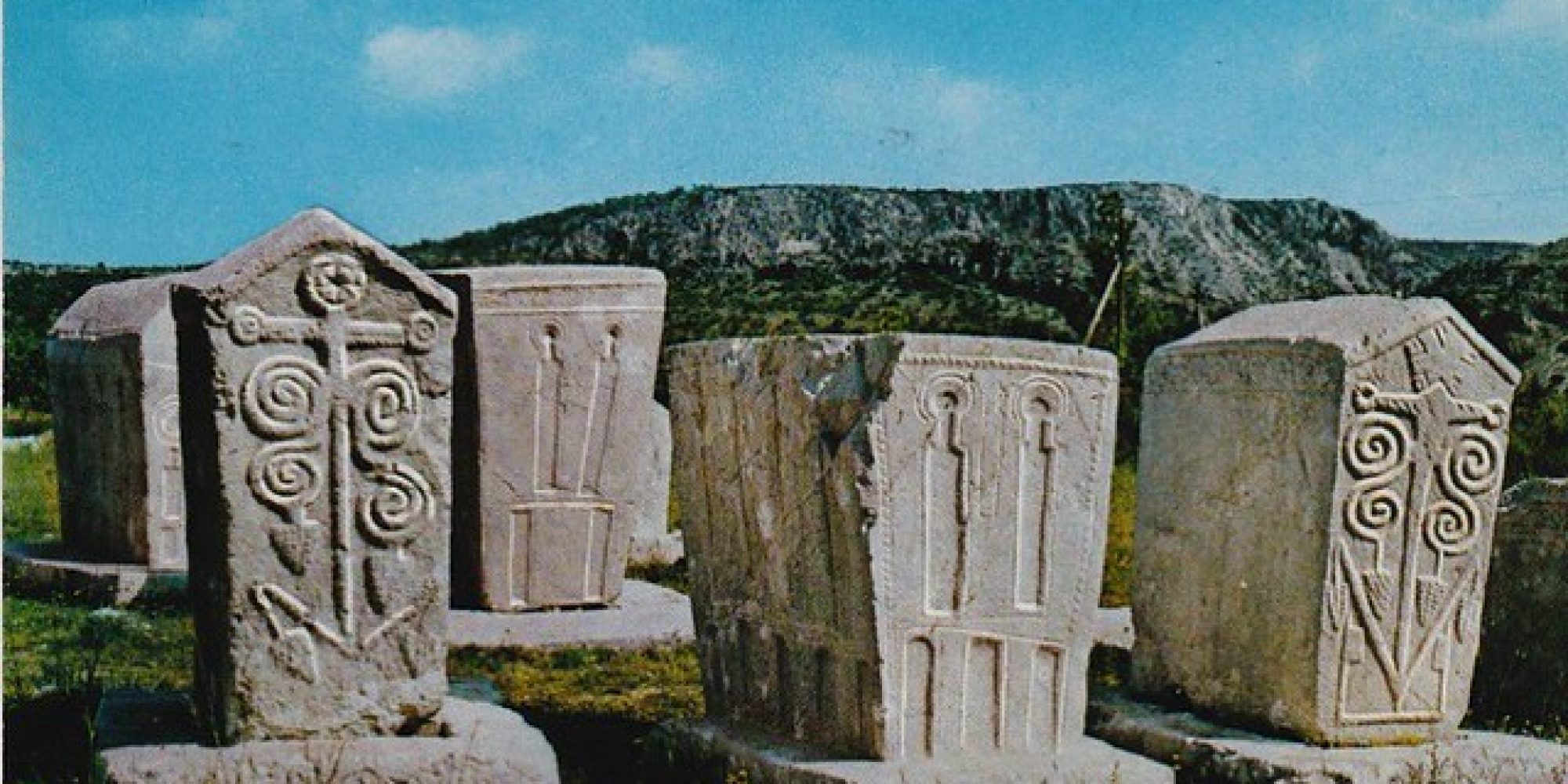
The Stećci listing is transnational, shared by Bosnia and Herzegovina, Croatia, Montenegro and Serbia.
Stećci are medieval tombstones found across parts of the western Balkans. Croatia's components are not typical tourist stops for most first-time visitors, but they matter if you are interested in medieval history, borderlands and regional heritage beyond the coast.
This is a good example of why the UNESCO list is not the same as a sightseeing ranking. A site can be globally important and still not be easy or obvious for casual travelers.
Add this only if you are building a specialist culture route or already traveling near the relevant inland/southern locations.
Venetian Works of Defence in Croatia
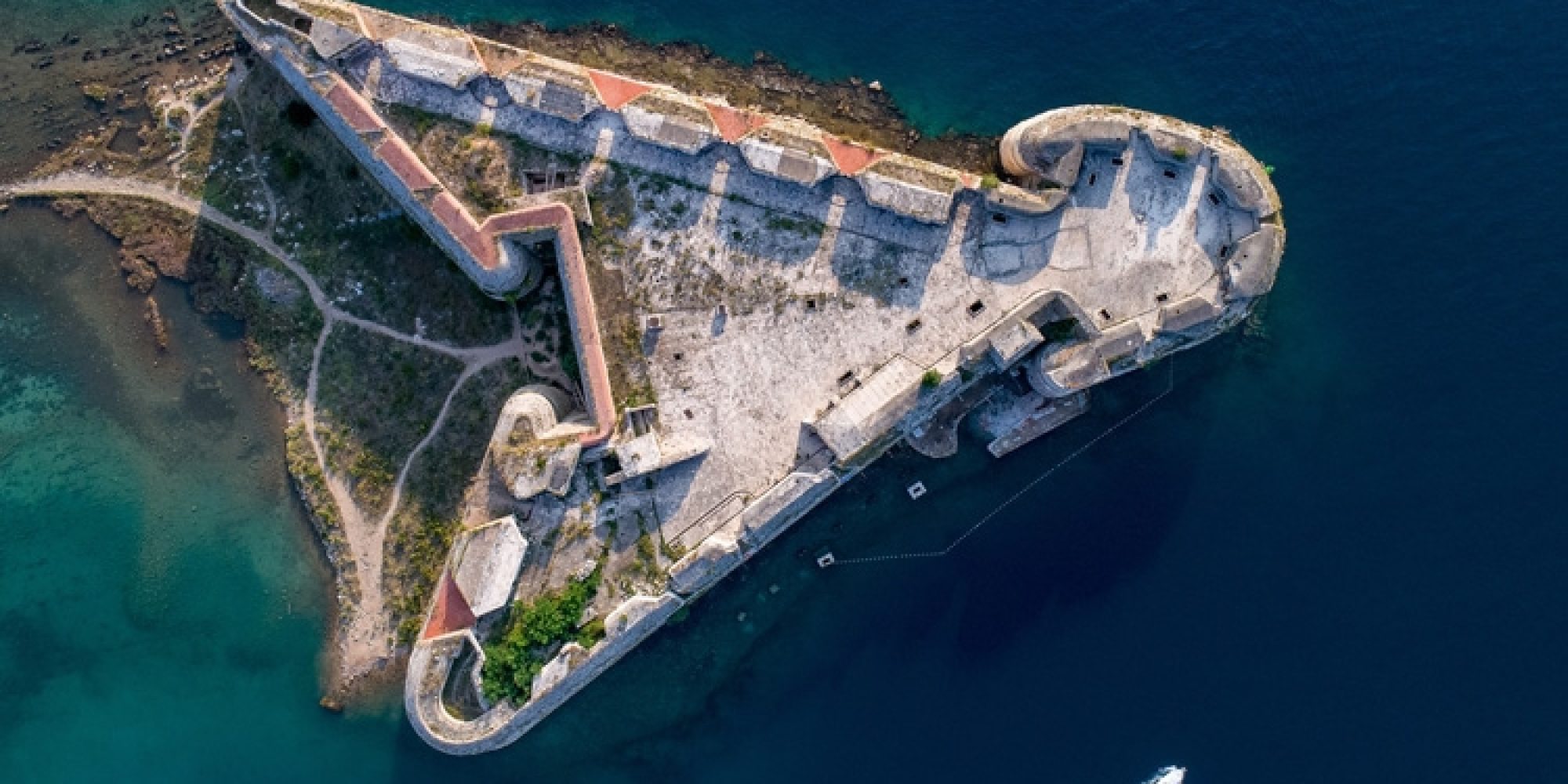
The Venetian Works of Defence listing is also transnational, shared with Italy and Montenegro.
In Croatia, the visitor-facing components are tied to Zadar's defensive system and St Nicholas Fortress near Šibenik. These sites show how the Venetian Republic fortified its territories across the Adriatic from the 16th to 17th centuries.
This listing is useful because it connects two cities travelers already visit. Zadar is not on the World Heritage List as a whole city, but parts of its Venetian defence system are part of this UNESCO property.
The Zadar destination guide is useful if you want to understand why Zadar appears in UNESCO conversations even though its full historic center is only on Croatia's Tentative List.
Ancient and Primeval Beech Forests
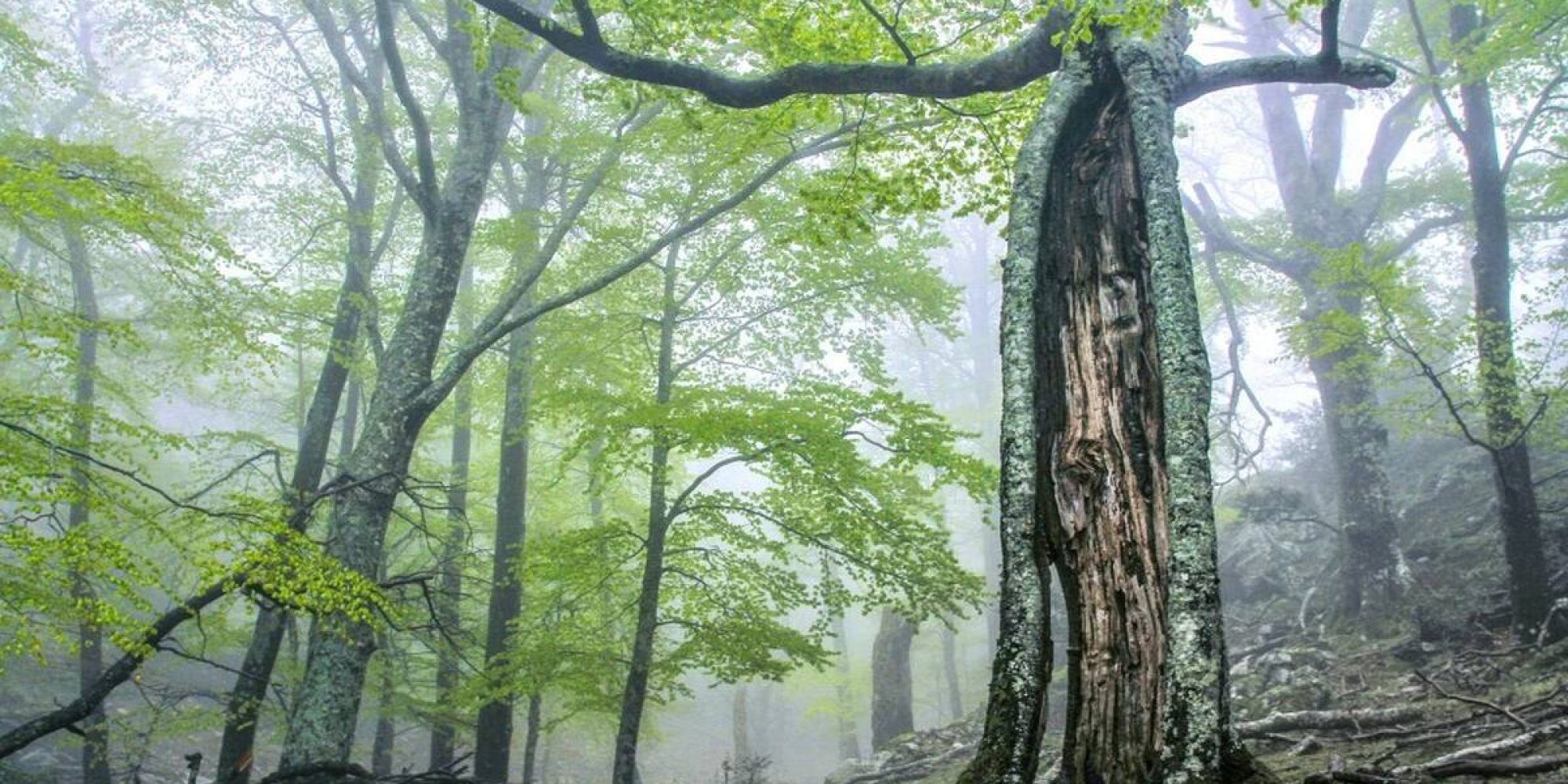
Croatia's second natural UNESCO property is part of a large transnational forest listing across Europe.
In travel terms, the Croatian components are connected to Northern Velebit and Paklenica. This is not a quick city-break UNESCO stop. It is for hikers, national park travelers and people who care about forest ecosystems.
If that is you, use the Sjeverni Velebit guide as a planning start. If not, Plitvice will be the more accessible natural UNESCO experience.
The forest listing is also a good reminder that UNESCO is not only about old towns. Croatia's list includes urban, archaeological, religious, defensive, agricultural and ecological heritage.
Croatia UNESCO Tentative List: What Is Not Officially Listed Yet?
Croatia also has 15 sites on UNESCO's Tentative List.
A tentative site is not a World Heritage Site yet. It is a property Croatia may consider nominating in the future. This matters because travel articles often blur the difference.
Important tentative entries include Zadar's Episcopal complex, Ston and Mali Ston with the walls and salt pans, Osijek's Tvrđa, Varaždin, Veliki Tabor, Lonjsko Polje, Velebit, Motovun, Korčula, Kornati and Telašćica.
The Ston walls and saltworks guide will be the stronger internal support once refreshed. For now, remember the distinction: Ston is culturally important and on the Tentative List, but it is not one of Croatia's 10 official World Heritage properties.
Best Croatia UNESCO Route Ideas
The best Croatia UNESCO route depends on whether you want maximum history or a balanced first trip.
For most travelers, do not build a route around every site. Build a good Croatia itinerary, then use UNESCO stops to sharpen it.
| Route | UNESCO stops | Best for |
| Dalmatia short route | Split, Trogir, Šibenik | 3 to 5 days without rushing |
| Classic first Croatia route | Dubrovnik, Split, Trogir, Šibenik, Plitvice | 7 to 10 days |
| Istria add-on | Poreč, plus Rovinj/Pula outside UNESCO | 3 extra days in Istria |
| Island culture route | Split, Stari Grad Plain, maybe Korčula as tentative context | Slow island travelers |
| Nature-heavy route | Plitvice, Northern Velebit, Paklenica | Hikers and road trips |
The best first-timer version is Dubrovnik to Split, with Trogir and Šibenik nearby, then Plitvice on the way to Zagreb or Zadar. That gives you a strong mix without turning the trip into a heritage scavenger hunt.
Frequently Asked Questions
How many UNESCO World Heritage Sites are in Croatia?
Croatia has 10 UNESCO World Heritage properties on the official UNESCO list. UNESCO categorizes them as 8 cultural properties and 2 natural properties. Some are transnational, which means Croatia shares the listing with other countries.
What is the most famous UNESCO site in Croatia?
Dubrovnik Old City and Plitvice Lakes National Park are the two most famous Croatia UNESCO sites for international visitors. Split's Diocletian's Palace is just as important, but it can feel less like a separate monument because it is part of the living city.
Is Plitvice Lakes a UNESCO World Heritage Site?
Yes. Plitvice Lakes National Park is a UNESCO World Heritage Site and one of Croatia's two natural World Heritage properties. It was first listed in 1979 and later extended.
Is Zadar a UNESCO World Heritage Site?
Zadar's full historic center is not a UNESCO World Heritage Site. However, Zadar is part of the transnational Venetian Works of Defence listing, and its Episcopal complex is on Croatia's Tentative List.
Which Croatia UNESCO sites are easiest to visit from Split?
Split itself is a UNESCO site because of Diocletian's Palace and the historic center. Trogir is the easiest add-on, and Šibenik is also very manageable from Split. Stari Grad Plain on Hvar works if your itinerary includes the island.
Can you visit several Croatia UNESCO sites in one week?
Yes. In one week, you can reasonably visit Dubrovnik, Split, Trogir, Šibenik and Plitvice if you plan transport carefully. Adding Poreč, Hvar or the Velebit forest areas usually needs more time.
Where to stay in Croatia: search hotels on Booking.com.