Croatian food makes more sense when you stop looking for one national menu. Planning the whole trip? The 7-day Croatia itinerary shows where to eat your way down the coast.
What you should eat in Istria is not what you should chase in Dalmatia, Slavonia or Zagreb. The coast leans toward seafood, olive oil and wine; inland Croatia gets heavier, smokier and more Central European; Istria has its own truffle-and-pasta logic.
This guide gives you the Croatian food and drinks worth trying, where to try them, and which ones are better in the right region than on a random tourist menu.
If food is a major reason for your trip, start with the Istria travel guide and the truffle hunting in Istria guide. Istria is one of the easiest regions in Croatia to build a whole trip around food.
Quick Answer: What Food Is Croatia Known For?
Croatia is known for seafood, peka, black risotto, truffles, olive oil, lamb, kulen, štrukli, pastries, wine and rakija.
The important part is where you eat them. A truffle pasta in inland Istria makes sense. A random truffle pasta on a Dubrovnik old-town menu may not. Oysters make sense around Ston and Mali Ston. Kulen makes sense in Slavonia.
| Region | What to try first | Why |
| Istria | Truffles, fuži, olive oil, Malvazija, Teran | Best food-road-trip region |
| Dalmatia | Peka, seafood, black risotto, pašticada, prošek | Classic coastal food |
| Dubrovnik area | Oysters, seafood, rozata, Pelješac wine | Best around Ston and Pelješac |
| Zagreb/Zagorje | Štrukli, pastries, market food | Stronger inland/Central European feel |
| Slavonia | Kulen, čobanac, fish paprikaš, wine | Spicier, heavier, paprika-led food |
| Islands | Lamb, fish, local wine, simple konoba dishes | Best when local and seasonal |
If you only remember one rule, make it this: eat regionally. Croatia rewards people who order what belongs to the place they are in.
Peka
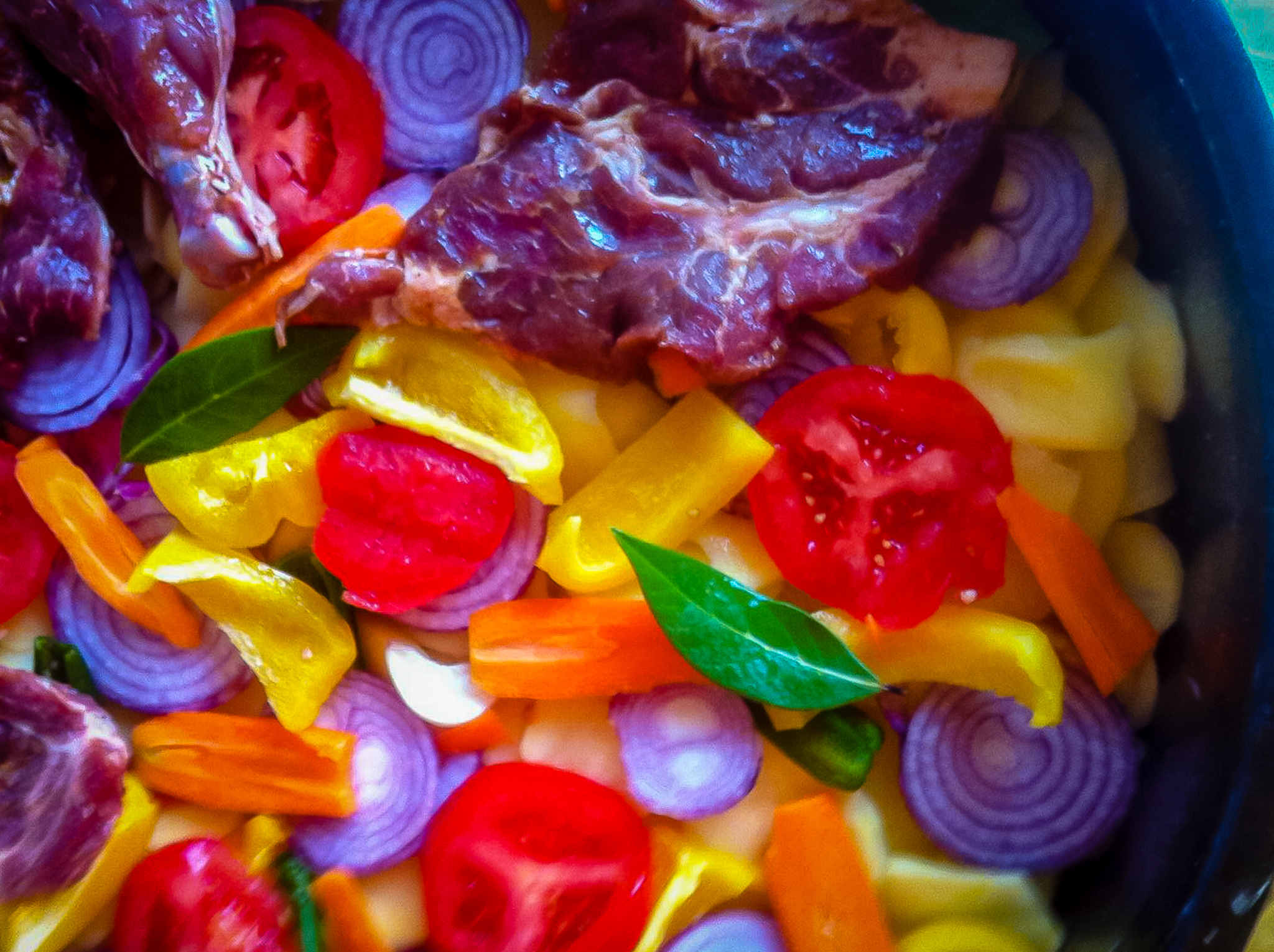
Peka is one of the best Croatian meals to plan ahead for.
It is not one dish so much as a cooking method: meat, octopus or sometimes other ingredients are slow-cooked under a metal bell covered with embers. The result is tender, smoky and usually served with potatoes.
| Best versions | Where to try it |
| Octopus peka | Dalmatian coast and islands |
| Lamb peka | Dalmatia, islands, inland areas |
| Veal peka | Konobas and rural restaurants |
The catch: proper peka often needs to be ordered in advance. If a restaurant promises instant peka in peak tourist traffic, be skeptical.
Peka is best when you are not rushing. Make it a long lunch or dinner, not a quick stop between ferry times.
Black Risotto
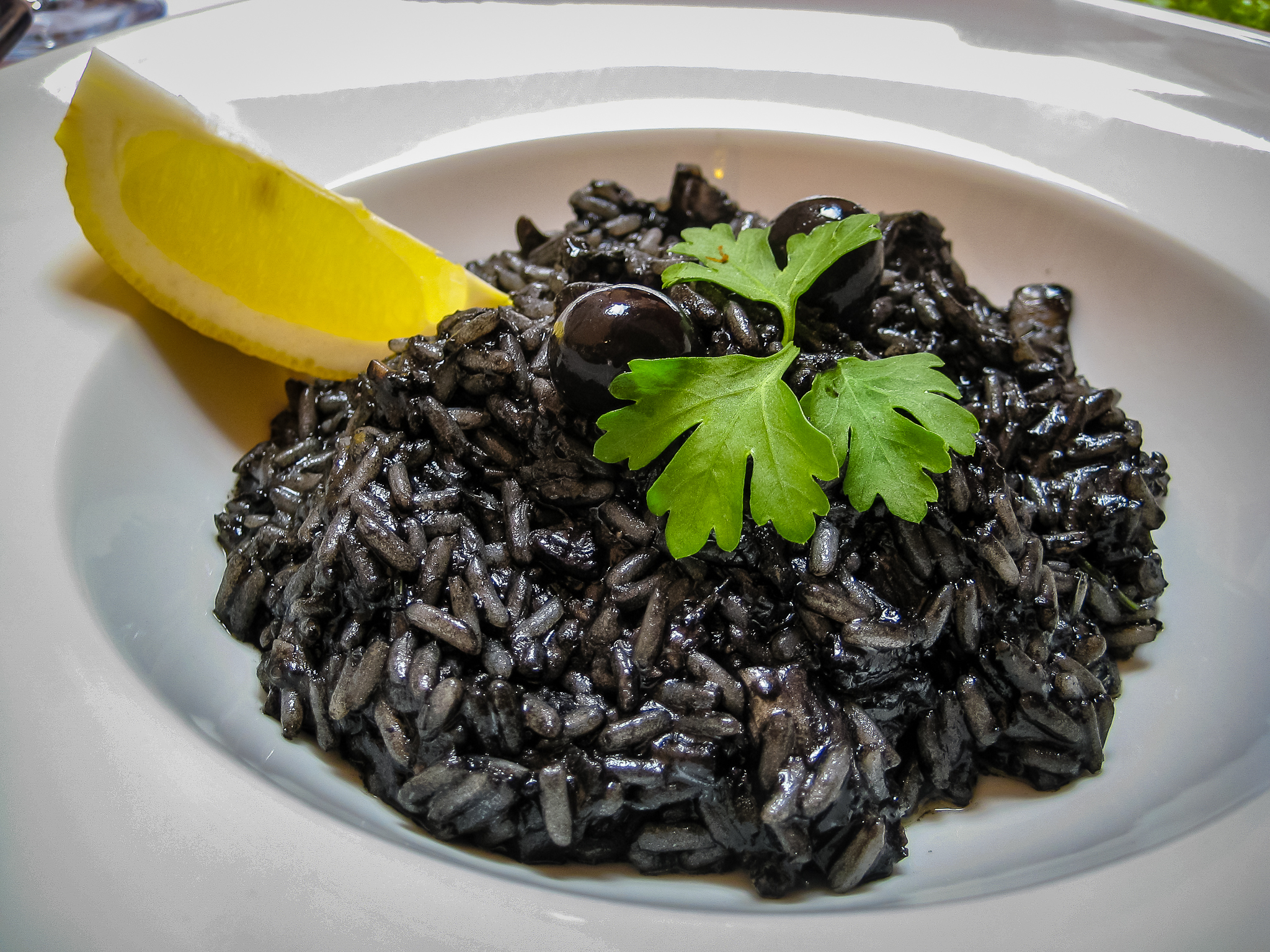
Black risotto is one of the easiest Croatian seafood dishes to recognize.
It is made with cuttlefish or squid ink, which gives it the dark color and a richer sea flavor than a normal seafood risotto. You will see it along the Dalmatian coast, on islands and in seafood restaurants.
Good black risotto should taste like the sea, not only garlic and oil. It also stains your mouth a bit, which is part of the deal. Do not order it right before taking polished vacation portraits unless you enjoy commitment.
If you are in Split and want food context while walking the city, this Split historical and gastro treasures tour with green market is a good match because it connects local food with the market and old-town setting.
Truffles and Fuži in Istria
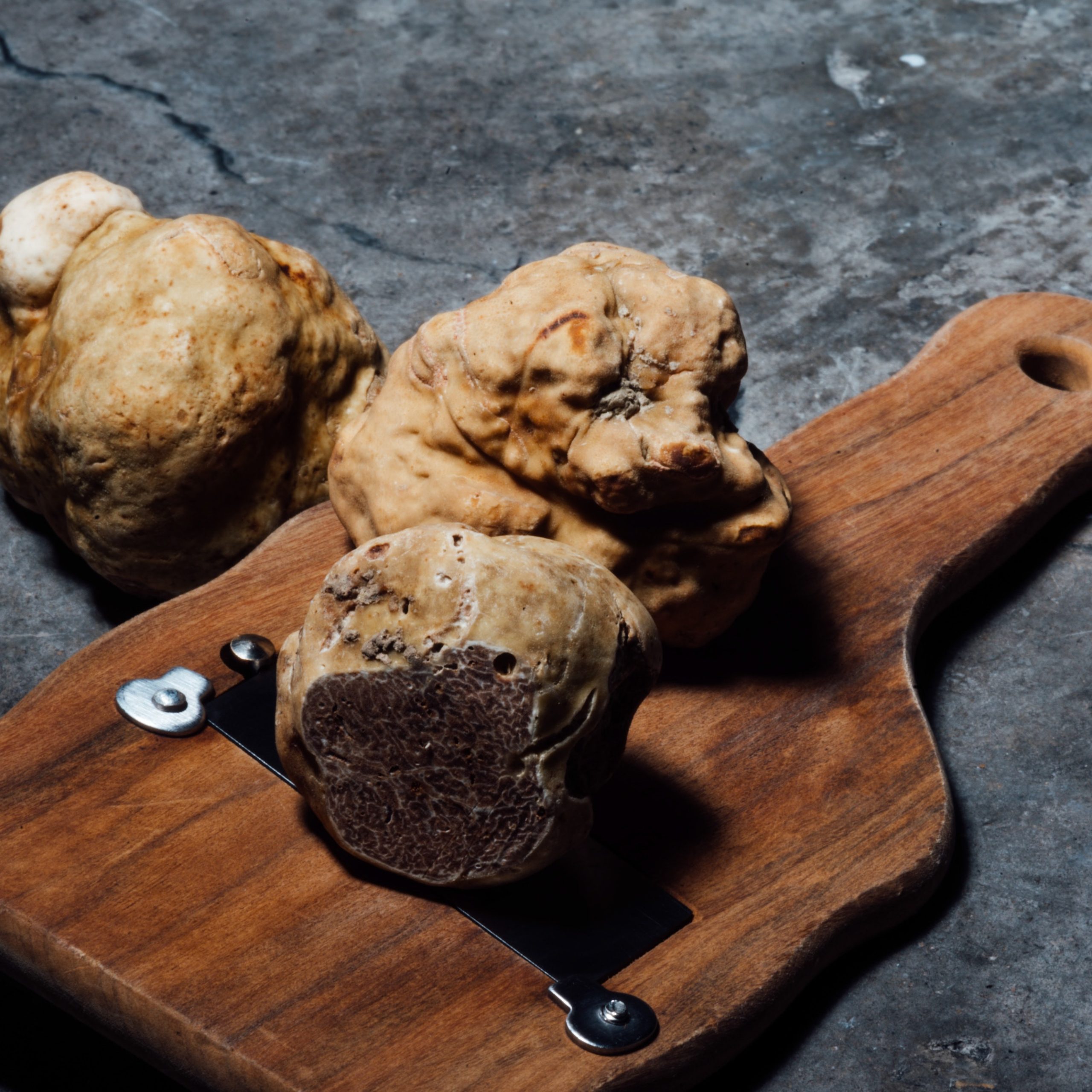
Truffles are the food reason many travelers add inland Istria to a Croatia trip.
The classic pairing is fuži, a traditional Istrian pasta, with truffles. You will also see truffles with eggs, cheese, sauces and spreads.
The strongest truffle areas are around Motovun Forest, Livade and the Mirna valley. If you want the full context, read the truffle hunting in Istria guide before choosing a tour or restaurant.
| Try | Why |
| Fuži with truffles | Classic Istrian pasta dish |
| Eggs with truffles | Simple dish where the aroma stands out |
| Truffle cheese | Common tasting item |
| Truffle meal after a hunt | Better than a tiny souvenir-shop sample |
Istria also works well for olive oil and wine, so do not make the whole day only about truffles. Motovun, Grožnjan, Poreč and Rovinj all pair well with food stops if you have a car.
Oysters From Ston and Mali Ston
Ston and Mali Ston are the places to think about oysters in Croatia.
Mali Ston Bay is known for oysters and mussels, and the area makes an easy food-focused day trip from Dubrovnik or Pelješac. This is one of the few Croatian food experiences where the location matters as much as the dish.
If you want the tasting to be the point rather than a side order, this Dubrovnik oyster, mussels and wine tasting tour in Ston is the cleanest fit because it combines shellfish with local wine and Ston context.
For a broader route, use the Ston walls and saltworks guide once you are planning the day. Ston is not only oysters; the walls and saltworks are a major part of why the stop works.
Pašticada
Pašticada is a Dalmatian slow-cooked beef dish.
It is usually marinated, braised and served with gnocchi. The sauce can be sweet-sour, rich and very different from what travelers expect when they think "Croatian coastal food."
This is not a light beach-day lunch. It is a proper meal, best in a restaurant that treats it as a house specialty rather than a generic menu filler.
Order pašticada in Dalmatia when you want something traditional that is not seafood. It is especially useful if you are traveling with someone who has had enough grilled fish.
Kulen
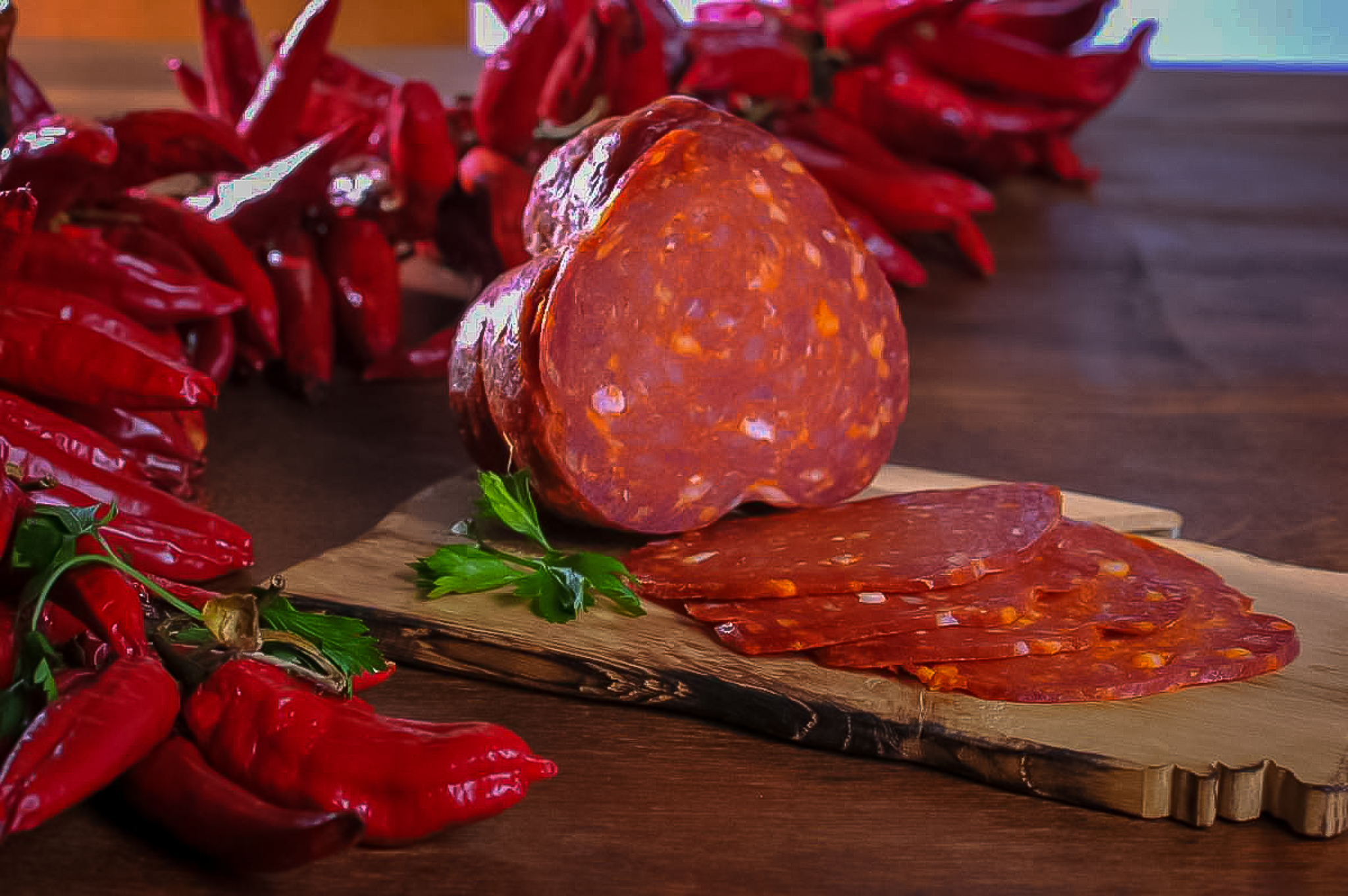
Kulen is the Croatian food to look for in Slavonia.
It is a spicy cured sausage made with pork and paprika, and it fits the heavier, paprika-led food culture of eastern Croatia. If the coast feels all seafood and olive oil, Slavonia is the correction.
This is not just a regional snack people happen to like. Slavonski kulen, also called Slavonski kulin, is officially protected: it is listed as Croatian protected cultural heritage, and the name has EU protected geographical indication status.
Kulen works as part of a meat plate, with cheese, bread and wine, or as a strong start to a longer Slavonian meal.
Use the Slavonia travel guide if you want to understand why eastern Croatia feels so different from the coast. Food is one of the clearest reasons.
Čobanac and Fish Paprikaš
Čobanac and fish paprikaš are the dishes that make Slavonia and Baranja worth taking seriously as food regions.
Čobanac is a meat stew, usually cooked slowly and seasoned with paprika. Fish paprikaš is a freshwater fish stew, also paprika-driven, often associated with river areas and Baranja.
| Dish | Best for | Where to look |
| Čobanac | Meat stew, paprika, hearty meals | Slavonia, Baranja, inland restaurants |
| Fish paprikaš | River fish and paprika broth | Danube/Drava areas, Baranja |
These dishes make more sense in Osijek, Baranja or Slavonia than in a coastal resort. If you are already planning Osijek or Kopački Rit, build one proper meal around them.
Štrukli
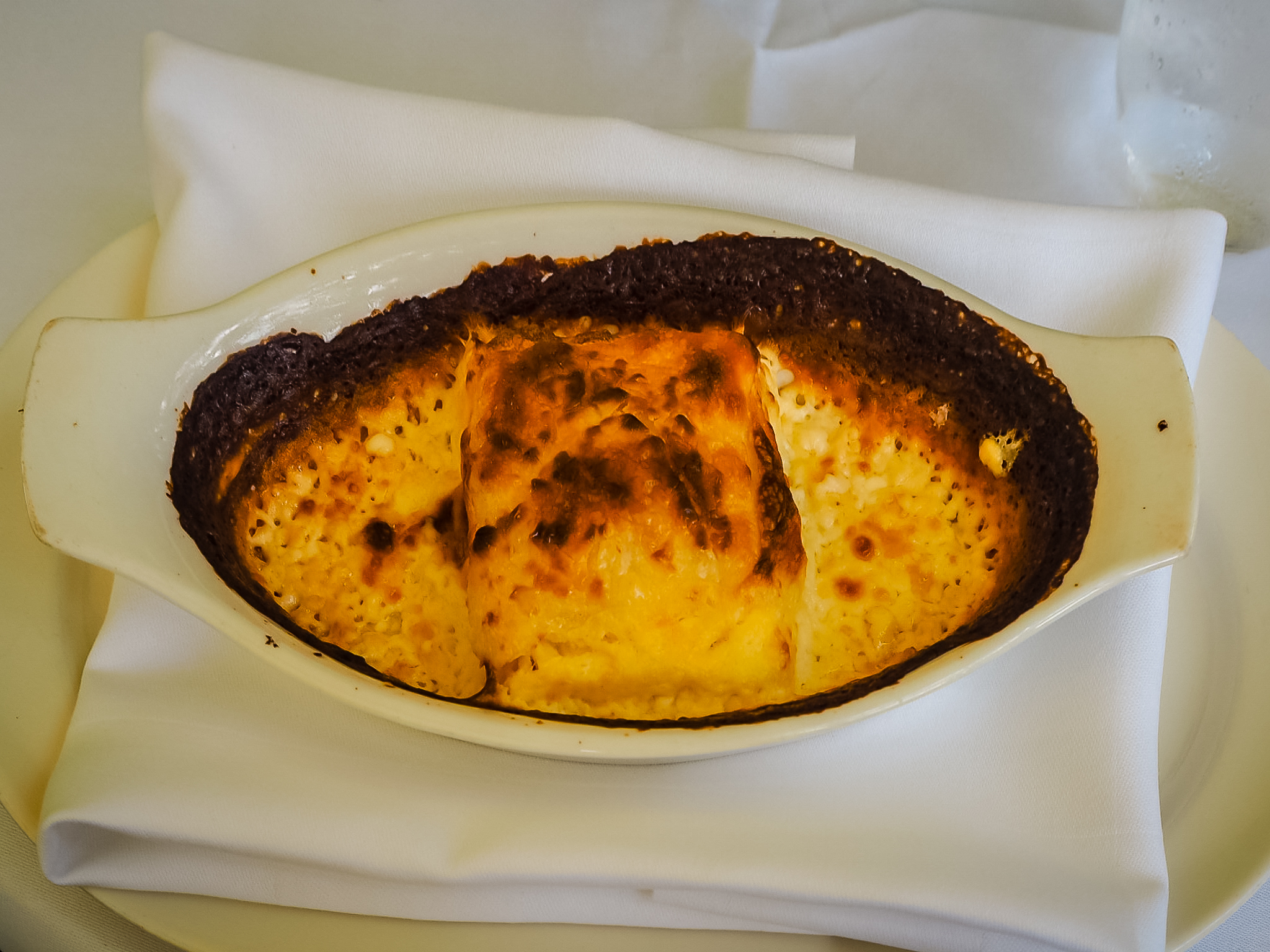
Štrukli is one of the best foods to try in Zagreb or northern Croatia.
It is a pastry-like dish filled with fresh cheese, served baked or cooked depending on the version. It can be savory, creamy and filling without being heavy in the same way as a meat stew.
Zagreb is the easiest place for travelers to try it. You will find it in restaurants, cafes and specialist places.
If your Croatia trip starts or ends in the capital, use the Zagreb travel guide and give yourself at least one meal that is not trying to imitate the coast.
Pag Cheese and Island Lamb
Pag cheese is one of Croatia's best-known cheeses.
The island of Pag is dry, windy and salty, and that landscape shapes both sheep cheese and lamb. You will see Pag cheese on menus and in shops across Croatia, but it is better when you understand where it comes from.
Island lamb is also worth trying, especially on islands known for sheep farming. The taste can be more distinctive than supermarket lamb because of grazing conditions, herbs and salt exposure.
Do not order island lamb everywhere just because the menu says "local." Ask what island it comes from and how it is cooked.
Pršut
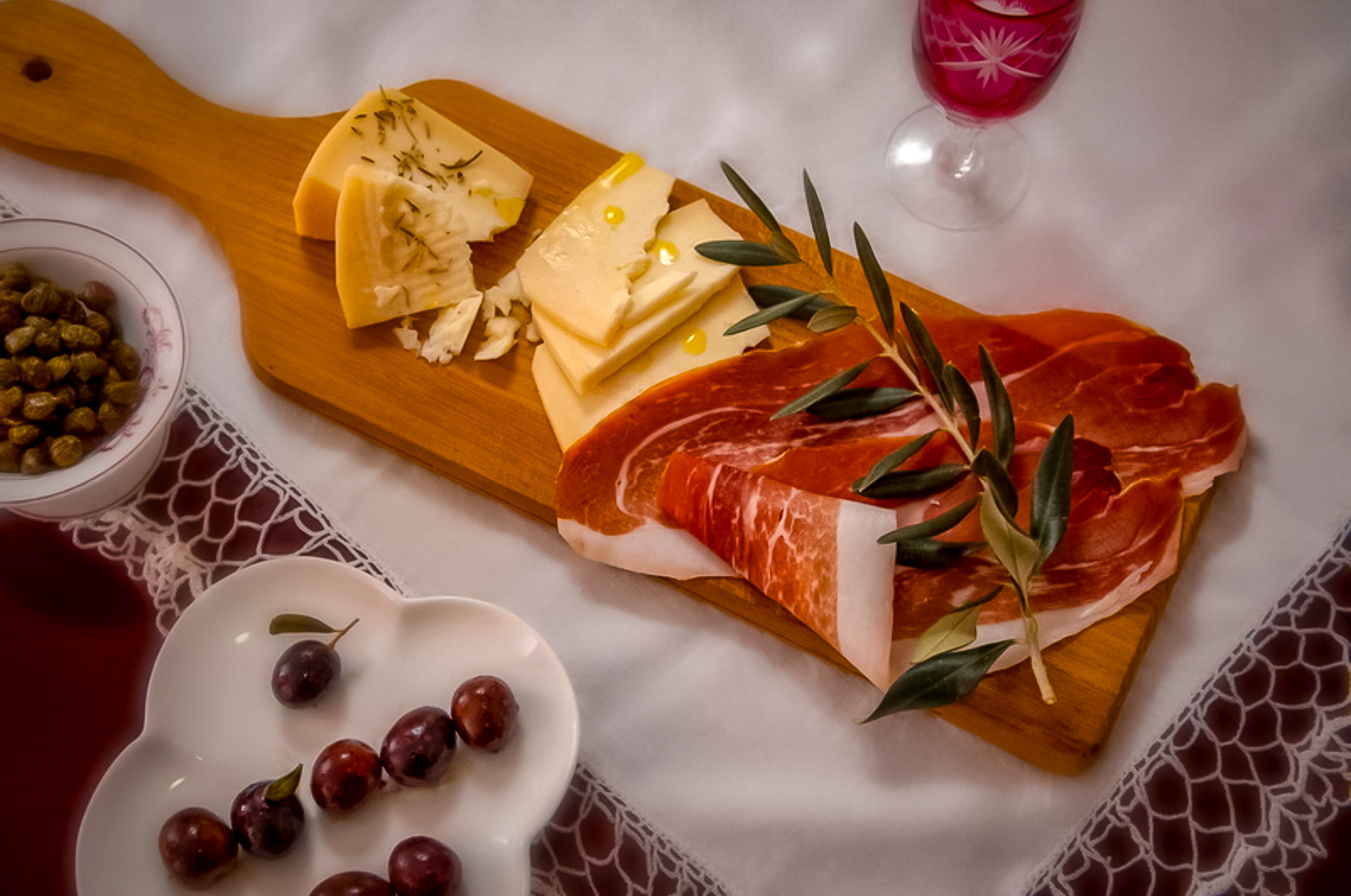
Pršut is Croatian dry-cured ham, common in Dalmatia and Istria.
It is usually served thinly sliced, often with cheese, olives and bread. It works as a starter, wine snack or part of a larger cold plate.
The best pršut is not a random hotel breakfast slice. Look for it in konobas, wine bars or places that care about regional produce.
In Dalmatia, pršut often shows up with sheep cheese and local wine. In Istria, it can sit naturally beside olive oil, cheese and truffle products.
Fritule, Krostule and Rozata
Croatia's sweets are not only gelato and tourist cakes.
Fritule are small fried dough balls, common around holidays but found more widely in tourist areas too. Krostule are crisp fried pastries, often associated with the coast and islands. Rozata is a custard dessert strongly associated with Dubrovnik.
| Dessert | Where it fits |
| Fritule | Holidays, markets, casual sweet snack |
| Krostule | Dalmatia, Istria, island sweets |
| Rozata | Dubrovnik area |
If you are in Dubrovnik, rozata is the dessert to look for. If you are wandering a Christmas market or winter town event, fritule are the easier find.
Croatian Wine

Croatian wine is worth trying by region, not by random bottle.
Istria is strong for Malvazija and Teran. Dalmatia has Plavac Mali, Pošip and island wines. Slavonia is known for Graševina and inland wine roads.
| Wine | Region to look for |
| Malvazija | Istria |
| Teran | Istria |
| Plavac Mali | Dalmatia, Pelješac, islands |
| Pošip | Korčula and Dalmatia |
| Graševina | Slavonia |
If you are visiting Ston or Pelješac, add wine to the oyster conversation. The food and drink logic there is too strong to split apart.
Rakija
Rakija is the drink you will be offered before you are emotionally ready for it.
Rakija is the umbrella word, not one single flavor. It means a strong spirit, usually made from fruit, herbs, honey or nuts, served in small amounts. The name usually tells you what it is made from.
| Rakija type | What it usually means |
| Šljivovica | Plum rakija |
| Travarica | Herb rakija |
| Medica | Honey rakija |
| Lozovača | Grape rakija |
| Orahovica | Walnut rakija |
| Višnjevac | Sour cherry liqueur-style drink, often grouped with rakija in casual conversation |
The advice is simple: sip, do not compete. Rakija is hospitality, not a drinking contest.
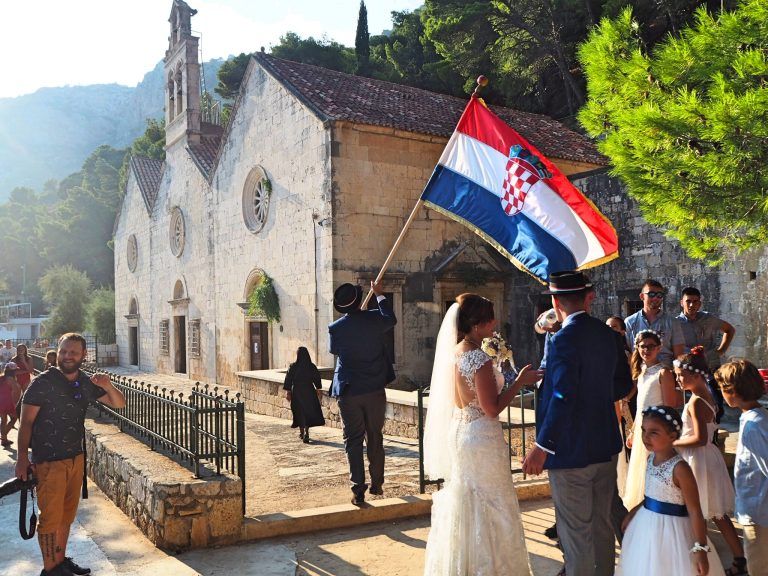
You may encounter it at family homes, rural stays, restaurants or celebrations. In the Croatian wedding traditions guide, rakija shows up exactly where you would expect: early, often and with confidence.
Prošek
Prošek is a Croatian dessert wine, not Prosecco.
The names are similar enough to confuse people, but the drink is different. Prošek is sweet, stronger and traditionally served with dessert or after a meal.
Try it in Dalmatia if you like sweet wines. Skip it if you only drink dry whites and already know you dislike dessert wine.
Frequently Asked Questions
What food is Croatia known for?
Croatia is known for seafood, peka, black risotto, truffles, fuži, pašticada, kulen, štrukli, Pag cheese, oysters, pastries, wine and rakija. The best choices depend heavily on the region.
What drink should you try in Croatia?
Try local wine first, especially Malvazija in Istria, Plavac Mali in Dalmatia and Graševina in Slavonia. Rakija is the traditional strong drink, with names like šljivovica, travarica and medica usually describing what it is made from.
Is Croatian food expensive?
It depends where and what you eat. Bakeries, markets and simple konobas can still be reasonable. Seafood restaurants in Dubrovnik, Hvar, Split and major resort areas can get expensive quickly in high season.
Where is the best place for food in Croatia?
Istria is the easiest region for a food-focused trip because it combines truffles, wine, olive oil, hill towns and strong restaurants. Dalmatia is better for seafood and coastal meals, while Slavonia is strongest for hearty inland food and wine.
What should vegetarians eat in Croatia?
Vegetarians can do well with štrukli, cheese plates, salads, grilled vegetables, truffle pasta, some soups, pastries and market food. Traditional menus can still be meat- or seafood-heavy, so Istria, Zagreb and larger towns are usually easier.
What Croatian food should you avoid on tourist menus?
Avoid anything that sounds regional but is served far from its region with no context. Truffle pasta in inland Istria makes sense; generic truffle pasta on a random coast menu may be less convincing. The same logic applies to seafood far from the coast or "local" lamb with no origin.
Where to stay in Croatia: search hotels on Booking.com.