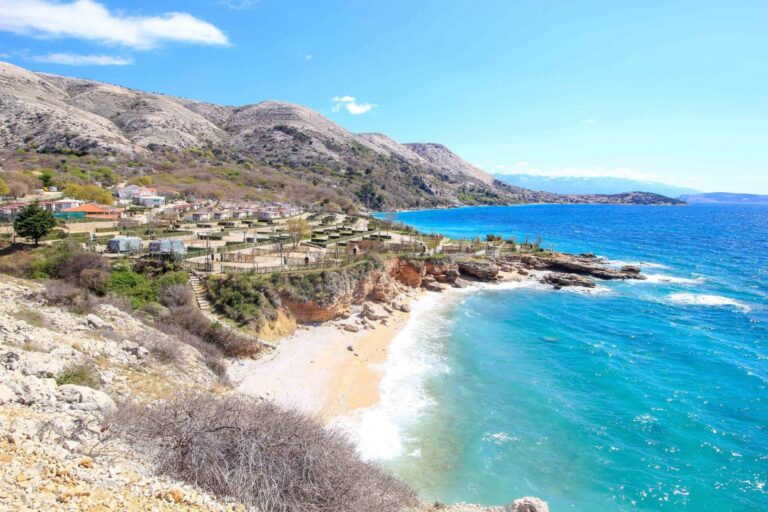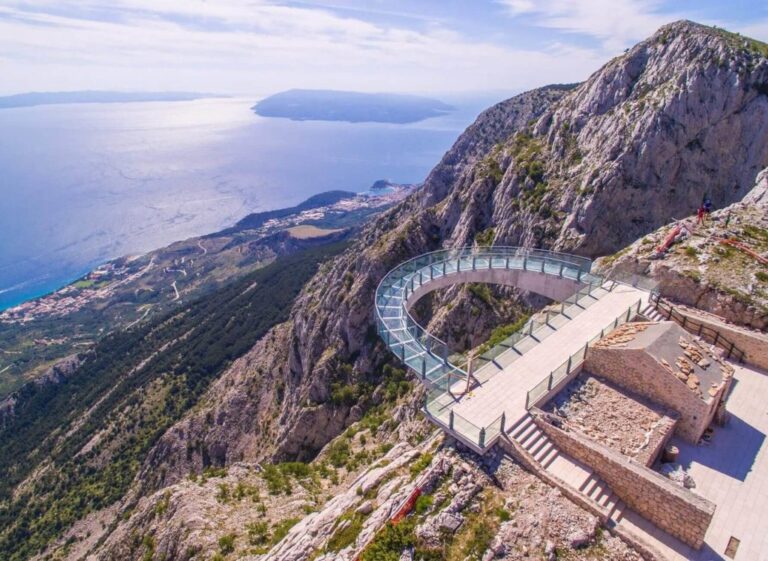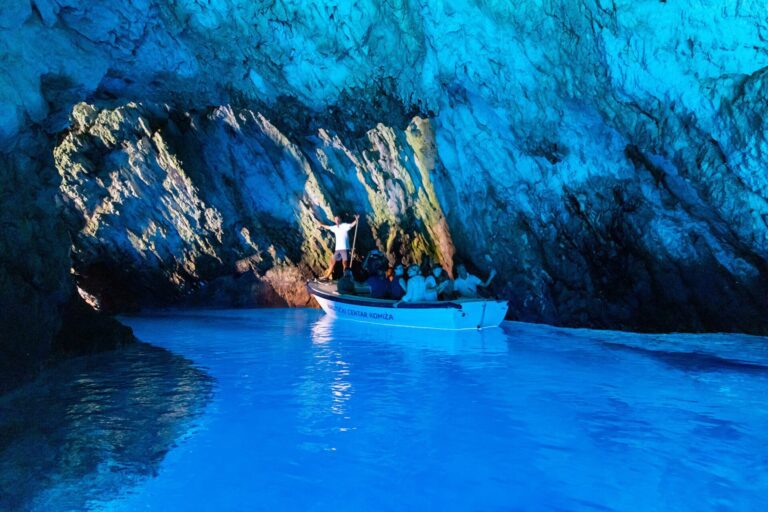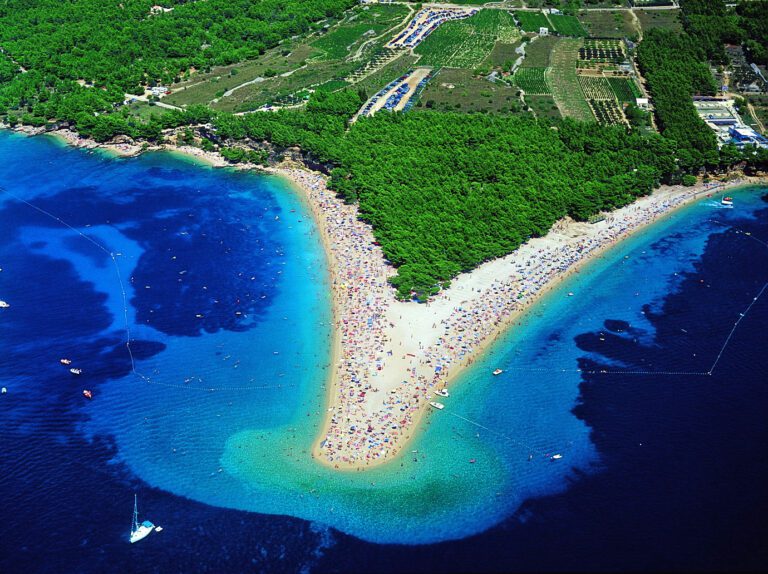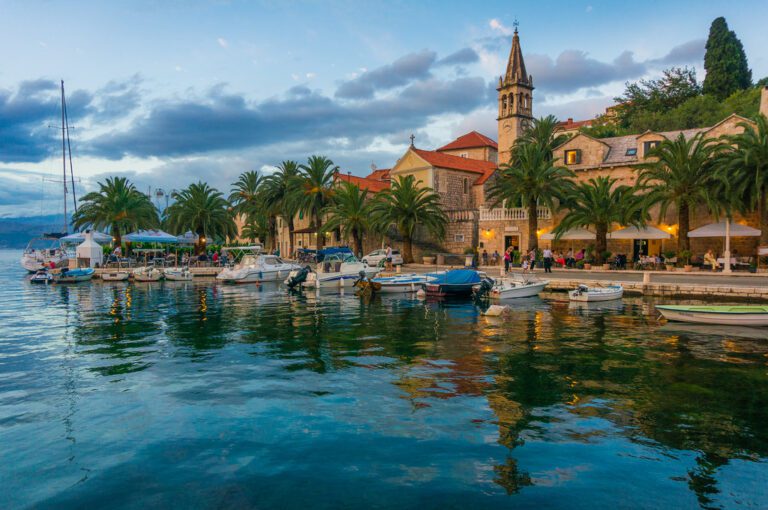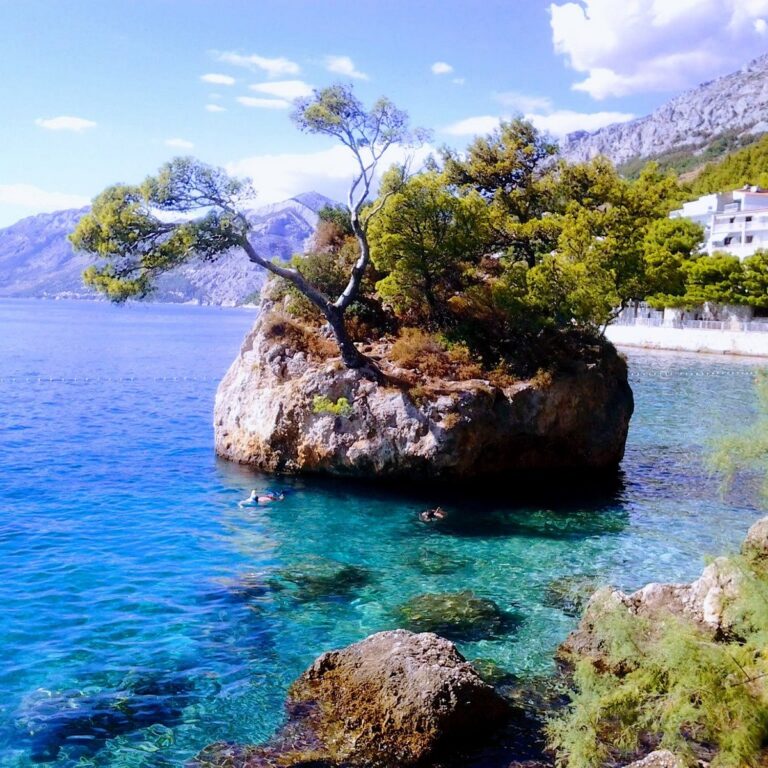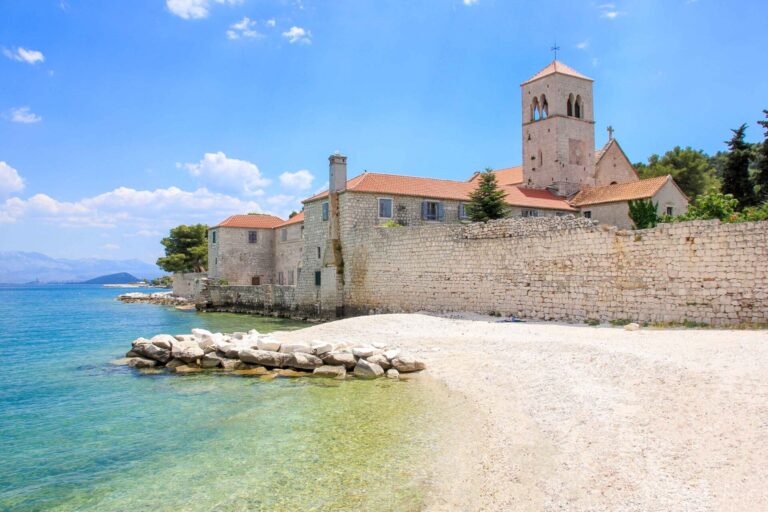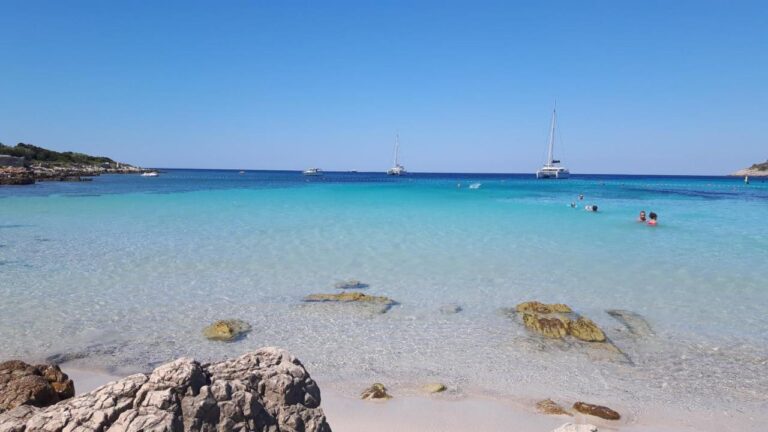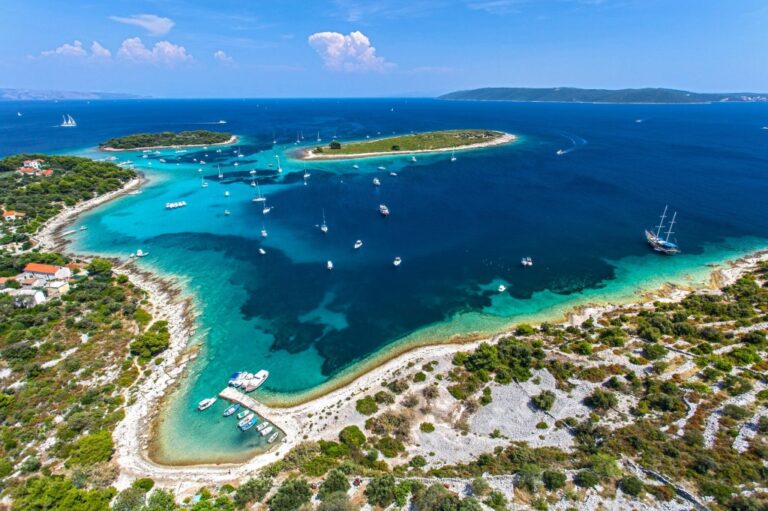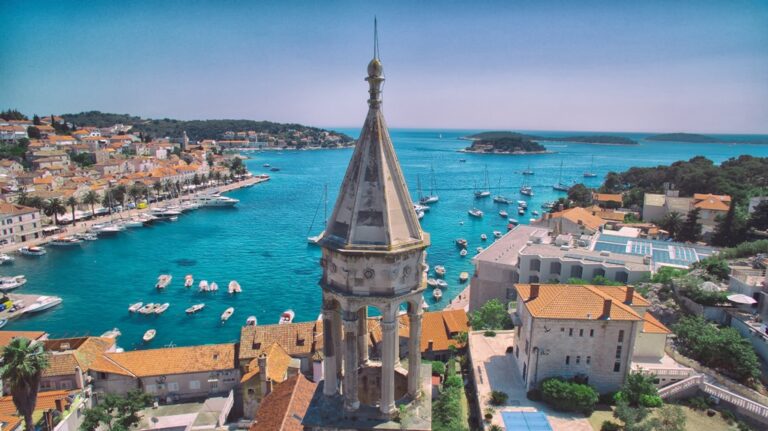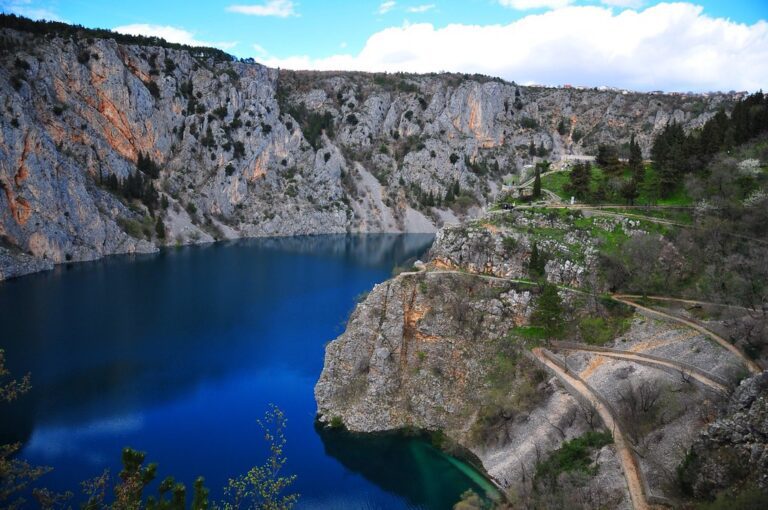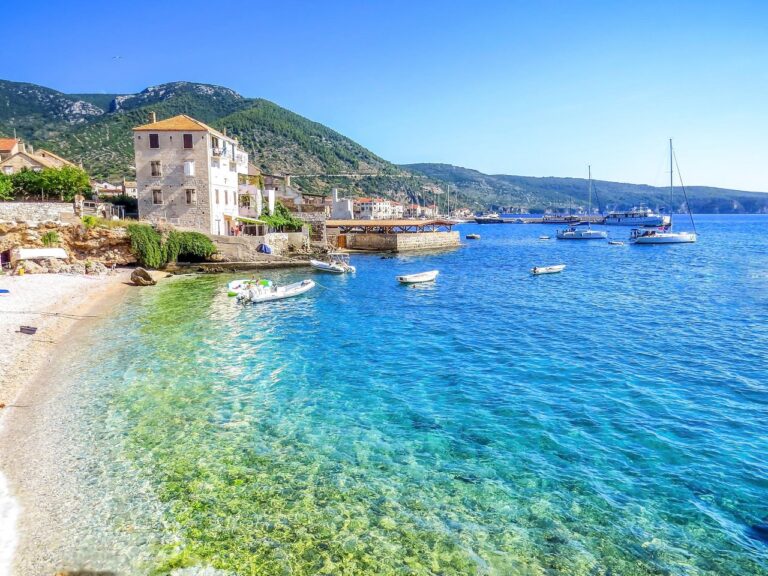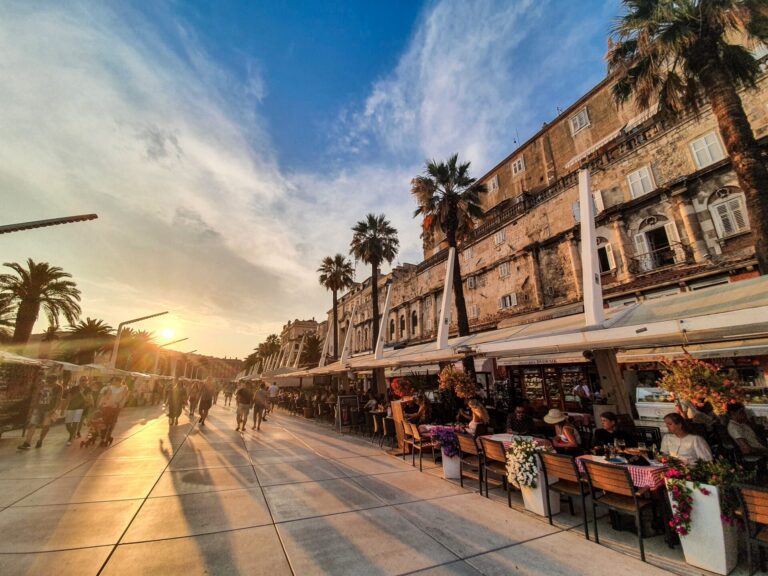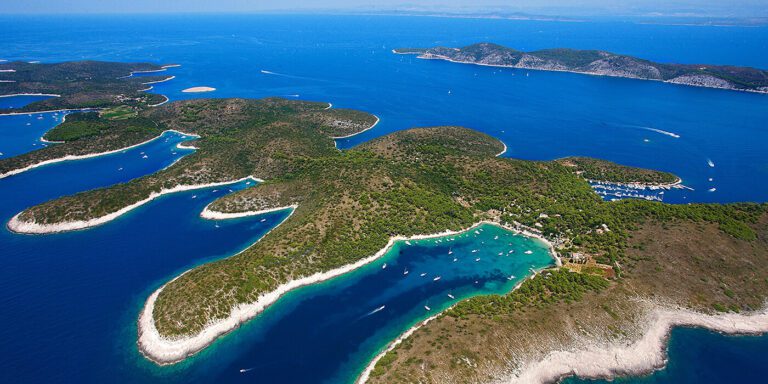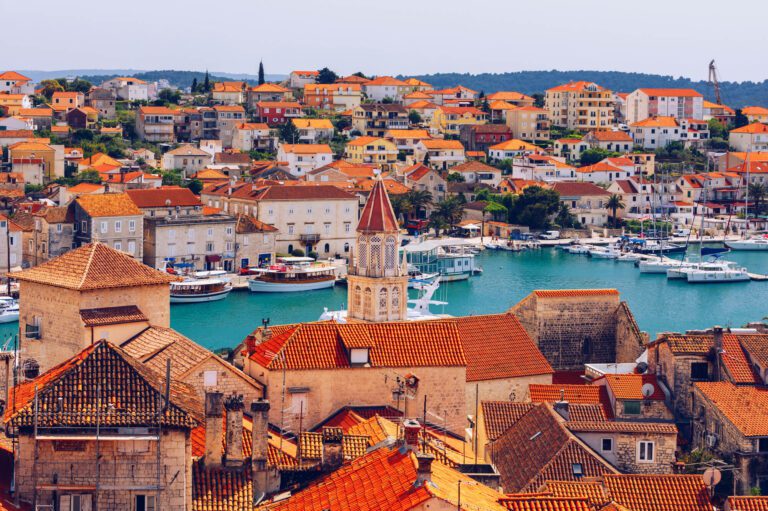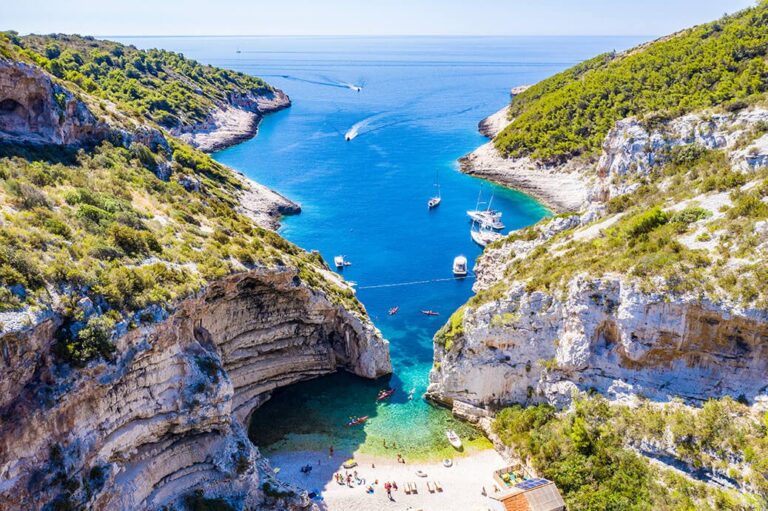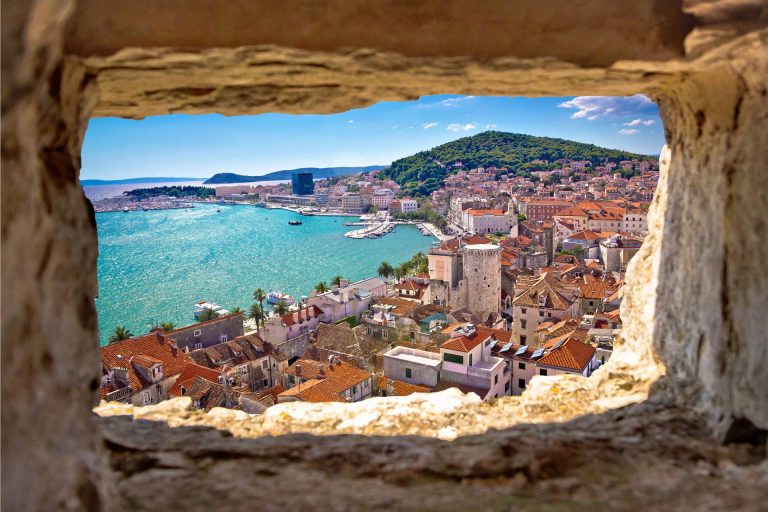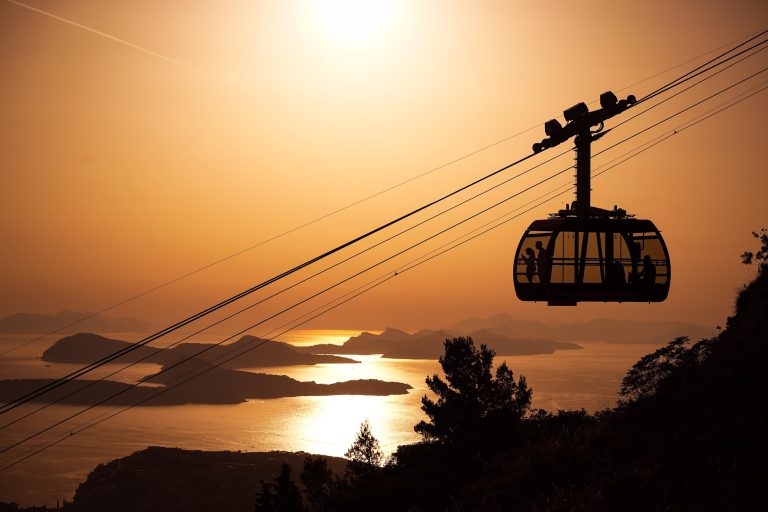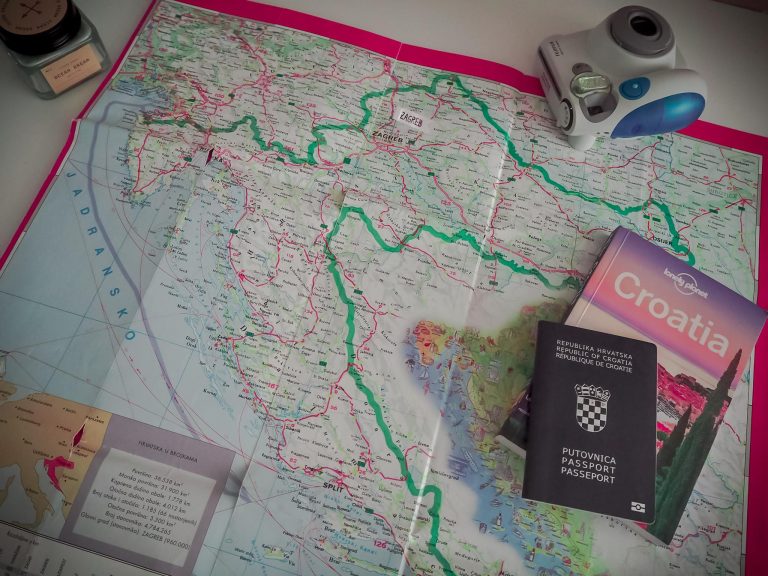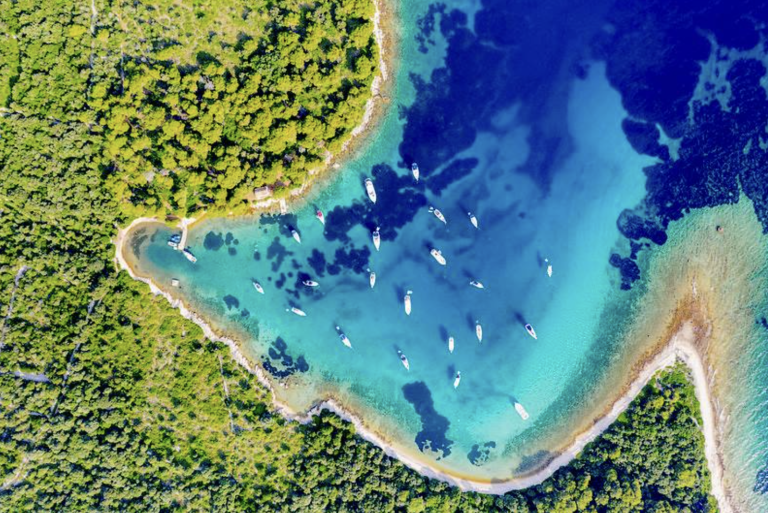
The Split region is Croatia's easiest launchpad for islands, but that does not mean every island belongs in one trip.
This part of Dalmatia gives you Split, Brač, Hvar, Vis, Šolta, the Makarska coast, Biokovo, and ferry routes that can make or break your itinerary. The best plan starts with choosing what kind of trip you actually want.
Quick Answer: Is The Split Region Worth Visiting?
Yes, the Split region is worth visiting on almost any first Croatia trip because it connects city, islands, beaches, and day trips better than most bases.
It is not worth treating as one giant checklist. If you try to do Split, Hvar, Brač, Vis, Šolta, and Makarska in a few days, you will mostly remember ferry logistics.
| Best for | Not ideal for |
| Island hopping | Travelers who hate transport planning |
| First Croatia trips | Seeing every island quickly |
| Split plus beaches | Dubrovnik-only holidays |
| Hvar, Brač, Vis, Šolta | People avoiding summer crowds |
Practical Facts
| Detail | Dalmatia - Split |
| Region | Central Dalmatia |
| Main city | Split |
| Best for | Islands, ferries, beaches, city breaks, day trips |
| Strong bases | Split, Hvar, Bol, Vis, Makarska, Šolta |
| Best time | May, June, September, October |
| Minimum time | 3 nights, 5 to 7 is better |
Where Is The Split Region?
The Split region sits in Central Dalmatia, between the Šibenik region and southern Dalmatia.
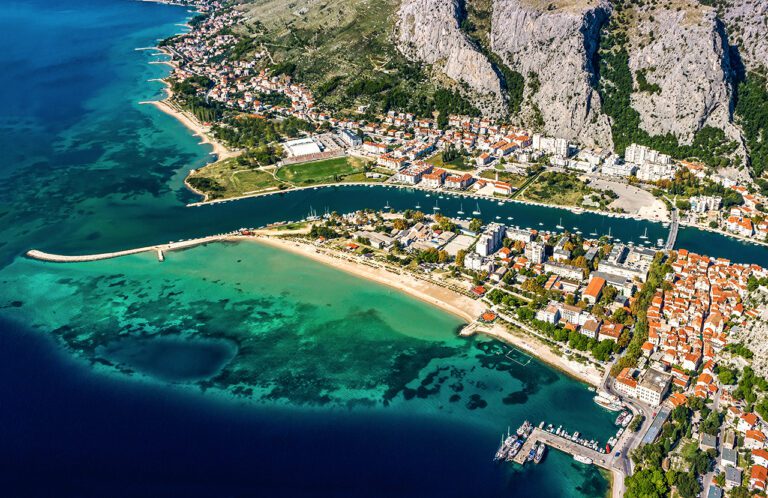
Split is the transport hub. From there, ferry routes lead to Brač, Hvar, Vis, and Šolta, while roads connect the coast, Klis, Omiš, Makarska, and Biokovo.
Best Places To Visit In The Split Region
Start with Split if this is your first time in Central Dalmatia.
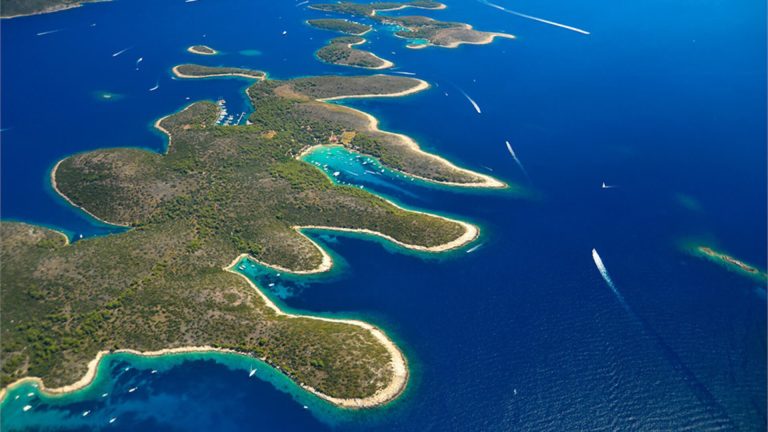
The city gives you Diocletian's Palace, transport, restaurants, and ferry access. Brač works well for beaches and Bol. Hvar is stronger for nightlife, polished villages, and classic island energy. Vis is better for slower, more remote-feeling island time.
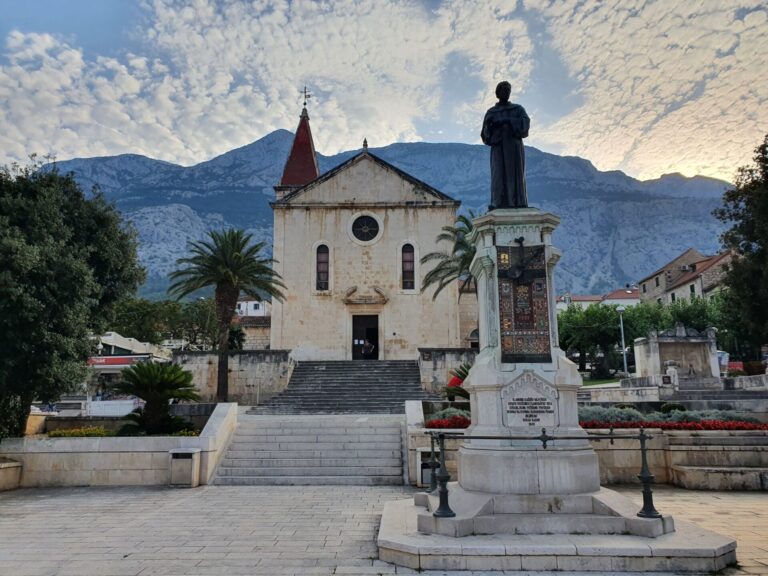
Šolta is the simple island escape. Makarska and Biokovo add mountain-backed coast if you have a car.
Split Region Or Dubrovnik Region?
Choose Split if you want islands and transport flexibility.
Choose Dubrovnik if the walled city and southern islands are the main goal. Dubrovnik has a stronger one-city impact; Split is more useful as a travel base.
For most first trips, combining both can work if you have at least 7 to 10 days.
Best Time To Visit
May, June, September, and October are the best months.
July and August are the busiest and most expensive, but they also have the fullest ferry schedules and warmest sea. If you travel in shoulder season, check ferry timetables carefully before building island plans.
Summer heat also matters in Split's old town and on exposed island walks.
Where To Stay
Stay in Split if you want the easiest first base.
Stay on Hvar, Brač, Vis, or Šolta if the island is the point of the trip. Stay near Makarska if you want beaches and mountain scenery more than ferry access.
Do not change base every night unless the itinerary genuinely needs it.
FAQ
Is Split a good base for Croatia?
Yes. Split is one of Croatia's best bases because it connects city sightseeing, ferries, islands, beaches, and day trips.
How many days do you need in the Split region?
Plan at least 3 nights. Five to seven nights is better if you want Split plus one or two islands.
Which islands are easiest from Split?
Brač, Hvar, Vis, and Šolta are the main island choices from Split, with schedules depending on season and route.
Is the Split region too crowded in summer?
It can be crowded in July and August, especially Split old town, Hvar, and popular beaches. June and September are easier.