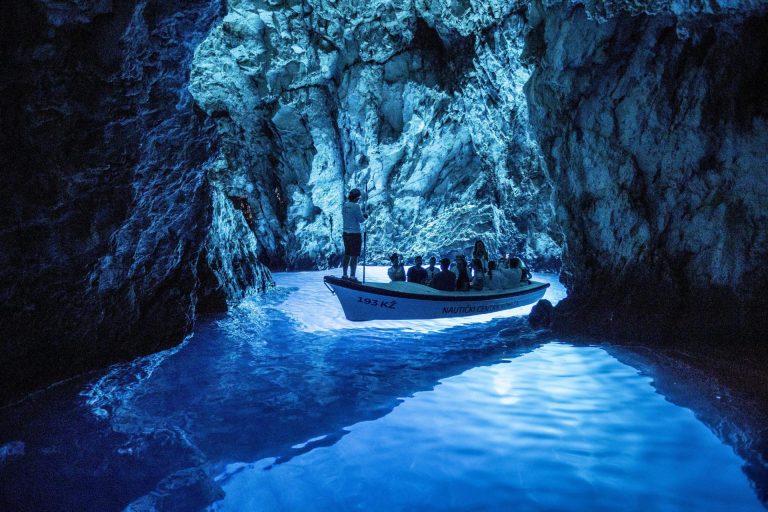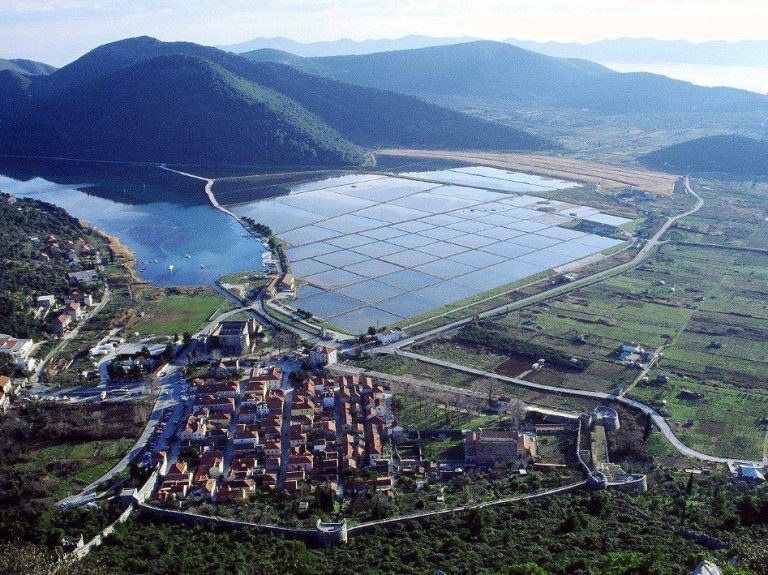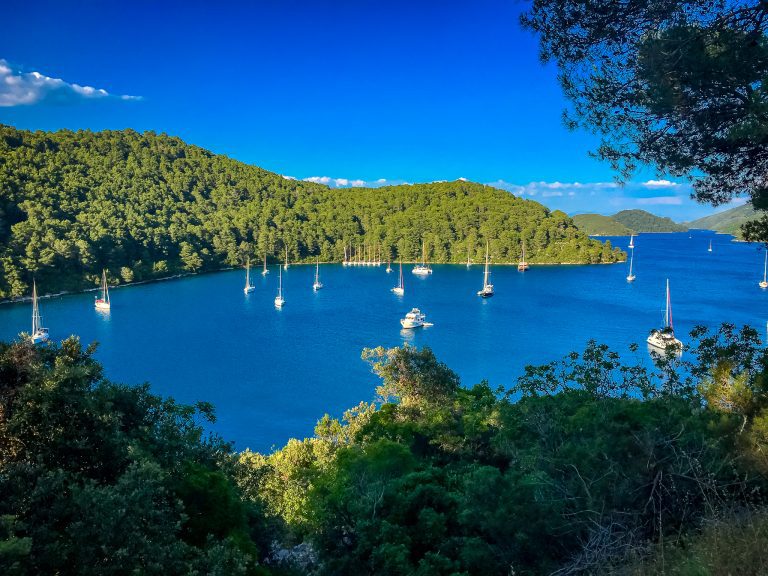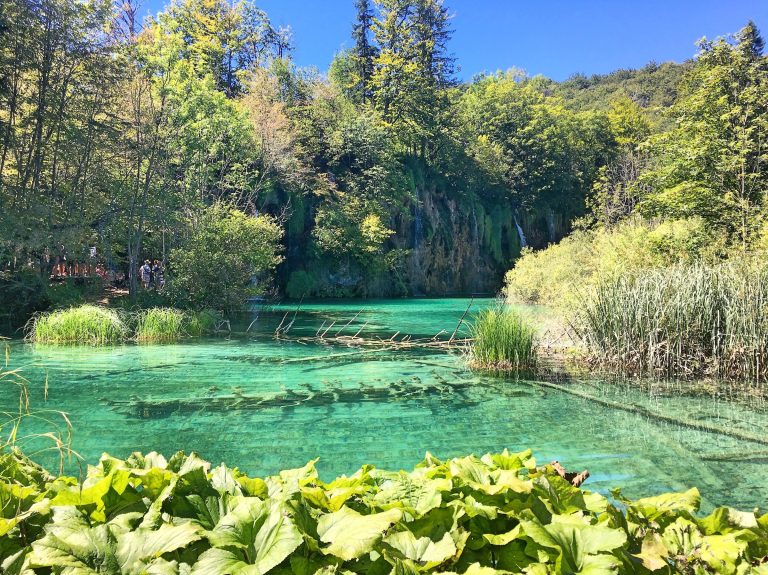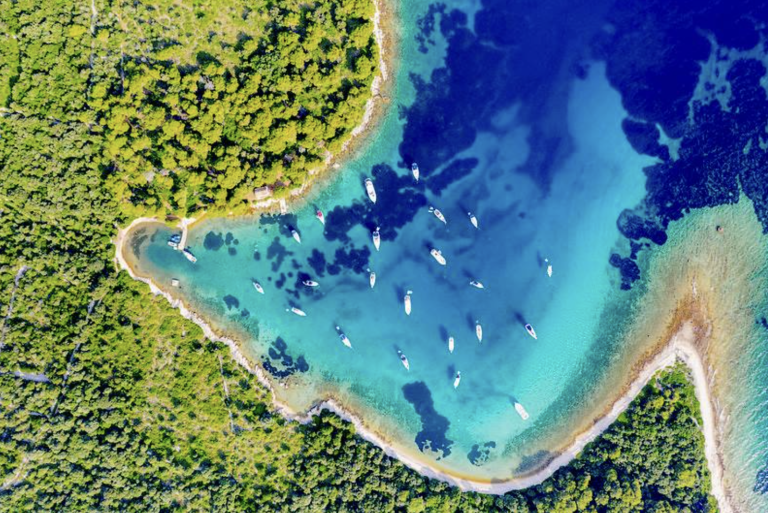
Six islands north-west of Zadar barely show up in most Croatia planning guides: Ist, Silba, Olib, Vrgada, Maun and Škarda. That’s not an oversight. Three of them run on real public ferry lines, two are boat-access only, and one sits somewhere in between. Mixing them up is how people end up stranded on a dock.
I’ve pulled together what’s actually confirmed about each island: how you get there, where to base yourself instead, and who each one is genuinely worth the trip for.
Quick answer: which Zadar archipelago island should you visit?
If you want one island with a named beach and a numbered ferry line, go to Olib. If you want the easiest overnight stay with a village and a straightforward Jadrolinija connection, go to Silba or Ist. Skip Maun and Škarda unless you already have a boat or a confirmed private transfer. They’re not standard ferry stops.
Zadar isn’t the only base. Novalja on Pag, the town most people already know for Zrće beach, runs its own seasonal catamaran connections to Silba, Ist and Olib. If you’re already staying near Pag, you can reach three of these six islands without detouring through Zadar first.
Don’t expect resort-level rooms or brand-new furniture on any of these six. Getting a truck’s worth of new beds and sofas onto a car-free island means loading it onto a ferry. That’s expensive, so it happens rarely. Rooms tend to be simple and clean, more dated than run-down, not styled for a listing photo.
| Island | Access | Cars allowed | Best base | Suits |
|---|---|---|---|---|
| Ist | Jadrolinija car ferry (line 401) from Zadar, plus a seasonal catamaran from Novalja | Unclear, couldn’t confirm | Ist village itself | Slow overnight stays, walking |
| Silba | Jadrolinija car ferry (line 401) from Zadar, or a direct catamaran (line 321, about 45 minutes) from Novalja | No, pedestrian-only | Silba village | 1-2 night quiet stays |
| Olib | Jadrolinija car ferry (line 401) from Zadar, plus a seasonal catamaran from Novalja | No, car-free | Near the ferry landing | Beach time at Slatinica |
| Vrgada | Foot-passenger-only line 415 from Pakoštane/Biograd, about 55-60 minutes | No, pedestrian, handcarts (karijola) only | Pakoštane or Biograd na Moru | Half-day to full beach day |
| Maun | Boat/charter only, about 2.5 miles off Pag, no scheduled public line found | No real road network | Pag or the Zadar region | Boat owners, sailors |
| Škarda | No scheduled ferry or catamaran line found | Unknown | Zadar, Ist, Molat, Silba or Olib | Sailing routes, specialist stops |
Ist: the slow-travel base with a real ferry connection
Ist sits northwest of Zadar near Molat and Škarda, part of the same slow-travel island group as Olib and Silba. Most visitors reach it by the Jadrolinija car ferry (line 401) from Zadar, and there’s also a seasonal catamaran connection from Novalja on Pag. Check the current timetable before you build a route around it; the routes connecting Ist to the other northern islands change by season.
I couldn’t confirm whether Ist has an official car-free rule the way Silba and Olib do. The ferry that stops there does carry vehicles, so I wouldn’t assume it’s pedestrian-only without checking locally first.
There’s no headline beach here. The village and the coastline are the experience: swimming, walking, and not much else. That’s the appeal. June and September are the easiest months to visit; July and August work too, but need more planning around ferry capacity.
Silba: no obvious rush, and that’s the point
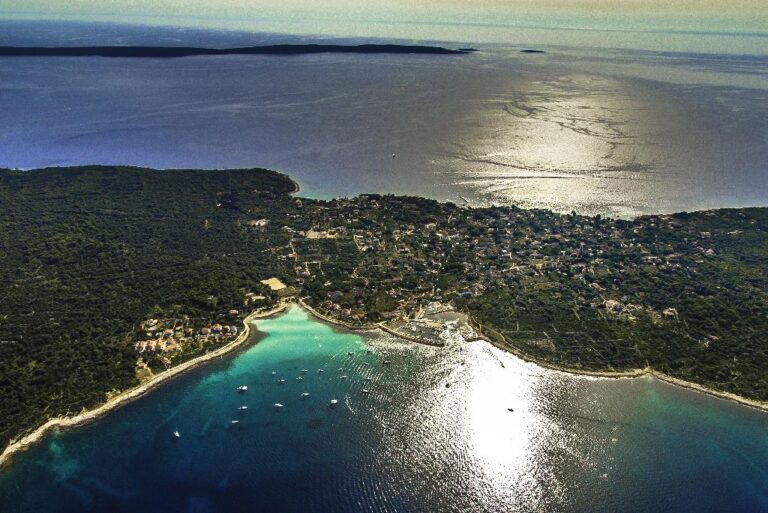
Silba is a short hop from Ist, Olib, Premuda and Molat, reachable by the Jadrolinija car ferry (line 401) from Zadar, or by a direct catamaran (line 321) from Novalja on Pag, about 45 minutes each way. If you’re already staying near Zrće for the beach clubs, Silba is a genuinely easy detour rather than a special trip.
The island is fully car-free: no cars, no scooters for hire, nothing beyond a couple of small tractors for deliveries and the postman’s moped. That’s part of why the water reads so clean. I’d put the visibility close to what I’ve seen in the Maldives, minus the warm water temperature.
Plan for at least one night. Two is better; a single afternoon isn’t enough to justify the ferry crossing.
June and September are the calmest months. July and August bring more visitors, but Silba stays quieter than Croatia’s bigger party islands even at peak season.
Olib: the one with an actual named beach
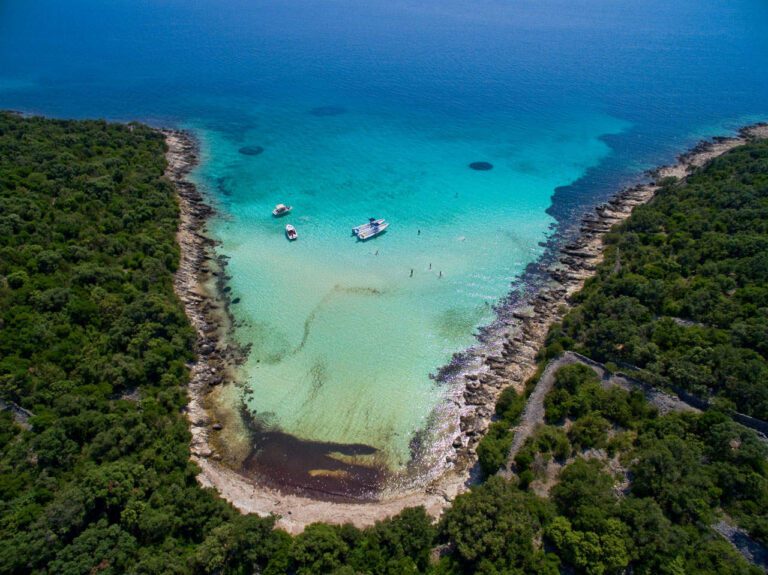
Olib is the most straightforward of the six to plan around. It runs on the Jadrolinija car ferry (line 401) from Zadar, and Novalja on Pag has its own seasonal catamaran connection too, so a Pag-based trip works just as well as a Zadar-based one. It has a specific reason to visit: Slatinica beach, sandier than most of what you’ll find on Croatia’s rockier islands.
The island is car-free apart from vehicles servicing local businesses. The village is small, so choose accommodation based on how close it is to both the ferry landing and the beach; you genuinely won’t need a car here.
Plan on an overnight stay at minimum. A day trip only works if the ferry timing happens to line up, and that’s not something to assume. June and September are the safest months to target; July and August need advance booking on both the ferry and a place to stay.
Vrgada: a beach day from Pakoštane or Biograd, not from Zadar
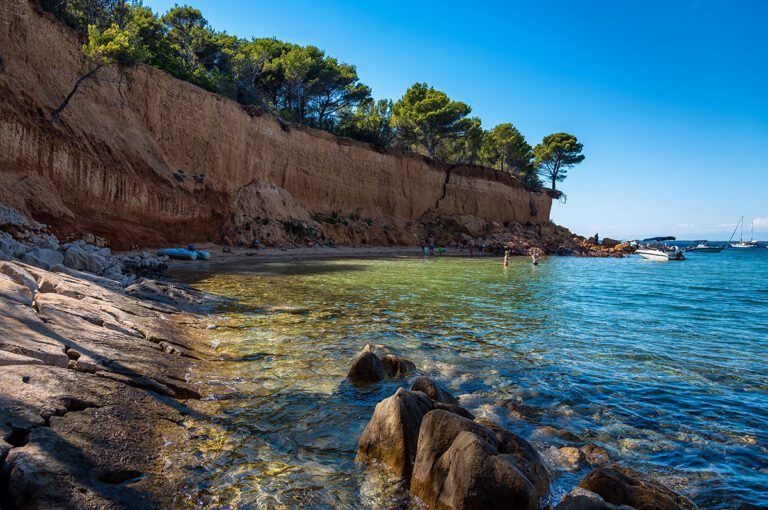
Vrgada sits between Pakoštane and Biograd na Moru, and that’s where you should base yourself, not Zadar or Pag. A local passenger-only line, commonly listed as line 415, connects Vrgada to the mainland from that area, roughly 55 to 60 minutes each way. Vrgada doesn’t connect to Novalja or Pag at all, so don’t try to fold it into a Pag-based island run.
The island is fully pedestrian. There’s no vehicle traffic at all; the local workaround is the karijola, a handcart islanders use for everything from groceries to fishing gear. It’s also less convenient from Zadar directly than Ugljan, Pašman or Dugi Otok, so don’t force it into a Zadar-based itinerary either.
Treat it as a swimming and village-walking stop rather than a sightseeing destination. A half day is the minimum to make the crossing worth it; a full beach day is better. June and September are ideal, May and early October work if the weather holds, and July-August means busier boats.
Maun: for boat owners and sailors, not ferry itineraries
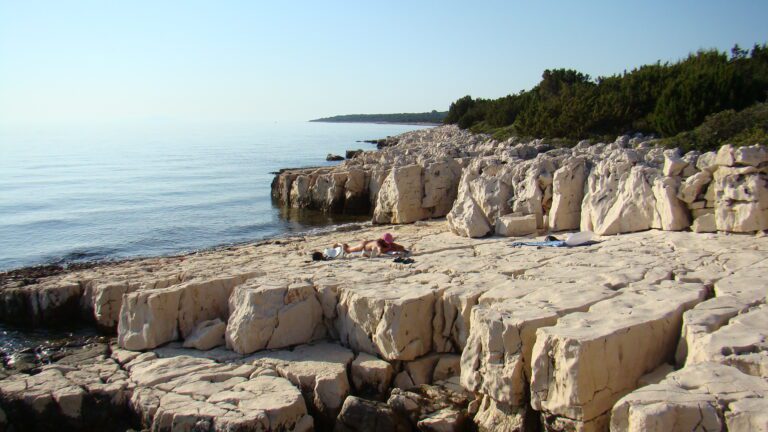
Maun sits about 2.5 miles off Pag, in the wider Zadar island area, but it isn’t a standard ferry destination. I couldn’t find a scheduled public catamaran or ferry line to Maun, from Novalja or anywhere else. Treat it as boat-access only: a private boat or a charter from Pag is the realistic way in, not a public timetable.
I also couldn’t confirm any formal car-free status for Maun, but there’s no real road network there either, so it’s a moot point in practice. Most travelers should base themselves on Pag or in the Zadar region instead of trying to stay on Maun itself.
If you do get there by boat, it’s swimming, anchoring and quiet coastal time, nothing more structured than that. June and September bring calmer anchorages; July and August are workable but busier.
Škarda: a specialist stop, not a first island
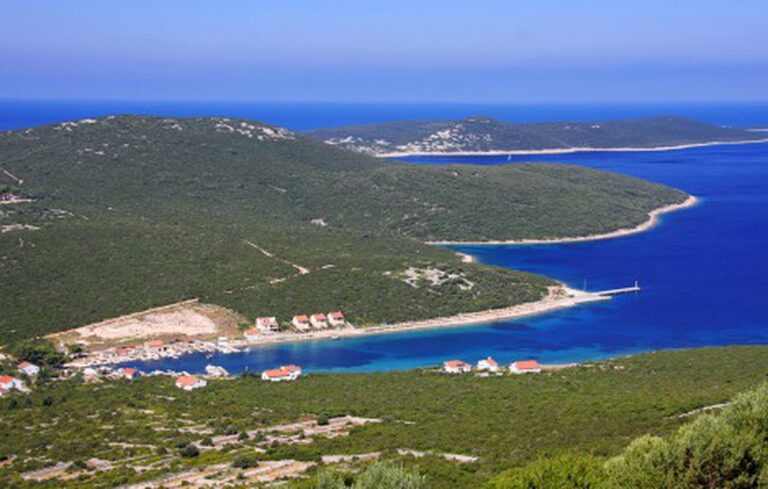
Škarda sits near Ist and Molat. I looked for a current scheduled ferry or catamaran line to Škarda, from Zadar, Novalja or anywhere else, and couldn’t find one in public timetables. That doesn’t mean nothing runs there. It means I’d confirm locally in Zadar before planning a trip around it rather than trust a route I can’t verify.
Base yourself in Zadar or on a nearby connected island (Ist, Molat, Silba or Olib) and treat Škarda as a stop for sailing routes or genuine Zadar archipelago research, not a default add-on for a first Croatia trip. It’s not a fit for first-time island hopping, travelers without their own transport plan, or anyone expecting restaurants and nightlife. June and September give the most usable sea conditions with the least pressure.
Where to base yourself for the Zadar archipelago
Zadar itself is the practical hub for Ist, Silba and Olib. Book accommodation in Zadar here and you’re within reach of the Jadrolinija ferry terminal for all three.
Novalja on Pag works just as well, and it’s a base a lot of people already have booked for Zrće beach. Novalja runs its own catamaran connections to Silba, Ist and Olib, so you don’t have to backtrack to Zadar to reach any of them. It’s also the closest realistic staging point for a Maun charter, given how close Maun sits to Pag.
For Vrgada, base in Pakoštane or Biograd na Moru instead. Biograd has more restaurants and services if you want a slightly bigger town than Pakoštane; either works as long as you’re near the line 415 departure point. Vrgada doesn’t connect to Pag or Novalja, so don’t try to combine it with the other five from one base.
If you’re driving down from Zagreb or up from Split to reach any of these mainland bases, Discover Cars is worth comparing against your usual rental site. I paid for ferry tickets and village groceries in cash on Silba and Ist. Card machines exist on the bigger stops, but I wouldn’t count on one working on a quiet Tuesday in June.
Frequently Asked Questions
Do all the Zadar archipelago islands have public ferries?
No. Ist, Silba and Olib run on Jadrolinija ferry and catamaran connections from the Zadar area. Vrgada has a separate local passenger line from Pakoštane or Biograd. Maun and Škarda don’t have reliable standard ferry service; treat both as boat-access only and confirm transport before you plan a visit.
Which Zadar archipelago island is easiest to visit without a car?
Olib, Ist and Silba. All three are walkable islands with no need for a car once you’re there, and Olib in particular is built around walking distance from the ferry landing to the beach and the village.
Can you day-trip to these islands from Zadar?
It depends entirely on the ferry schedule for that day, which changes seasonally. Olib, Ist and Silba can work as day trips if the timetable cooperates, but an overnight stay removes the risk of missing the return boat. Vrgada is better planned from Pakoštane or Biograd than from Zadar.
Which island in the Zadar archipelago has the best beach?
Olib, for Slatinica beach specifically, which is sandier than most islands in this part of the Adriatic. The others are better for swimming off rocks and general coastal walking than for a dedicated beach day.
Is Maun or Škarda worth visiting on a first trip to Croatia?
Not really. Both work well for sailors and boat owners already in the area, but neither has reliable public ferry access, and neither has restaurants or services set up for a standard visit. Save them for a return trip once you have your own boat access sorted.
Can you reach these islands from Pag or Novalja?
Yes, for three of them. Novalja runs its own seasonal catamaran connections to Silba, Ist and Olib, so you don’t need to route through Zadar first if you’re already staying near Zrće. Vrgada is the exception: it only connects to the mainland from Pakoštane and Biograd na Moru. Maun and Škarda don’t have any confirmed scheduled public line from anywhere.
Which Zadar archipelago islands are car-free?
Silba, Olib and Vrgada are genuinely car-free, with only small service vehicles or, on Vrgada, handcarts called karijola. Ist’s status is less clear. The car ferry that stops there does carry vehicles, so I wouldn’t assume it’s pedestrian-only without checking locally. Maun has no real road network to speak of, and I couldn’t confirm Škarda’s situation either way.
If you’re building a wider Dalmatian island route around this, the island hopping guide covering Hvar, Vis, Brač and Korčula is the better starting point. Come back to the Zadar archipelago once you’ve done the famous islands and want the quieter version.