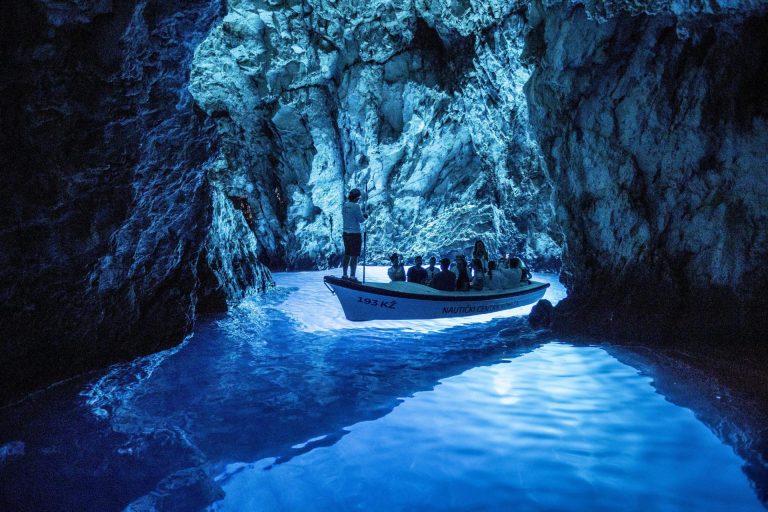
The best caves in Croatia are not all underground. Fitting caves into a wider trip? See the 7-day Croatia itinerary.
Some are classic karst caves with steps, guides and cooler air. Others are sea caves where the whole visit depends on boat timing, sunlight, wind and how much patience you have for a five-minute view after a long ride.
This guide keeps the list practical: six caves that are worth considering, who each one suits, and which ones are easier to skip if they do not fit your route.
If the Blue Cave is your main reason for planning a cave stop in Croatia, read the Biševo travel guide and Komiža travel guide too. The cave experience depends less on the cave itself than on how you reach Biševo.
Quick Answer: Which Cave in Croatia Should You Visit?
Most first-time visitors should choose the Blue Cave if they are already visiting Split, Vis or Hvar, Baredine Cave if they are visiting Istria, and Grabovača Cave Park if they are driving through Lika between Zagreb, Plitvice and the coast.
Vranjača Cave is the best inland cave near Split. Odysseus Cave is best if you are already on Mljet. Green Cave is easiest as part of a Vis or Hvar boat day, but it should not replace the Blue Cave if you only have time for one sea-cave trip.
| Cave | Best for | Access style | Main caveat |
| Blue Cave, Biševo | Famous sea-cave light effect | Boat tour from Komiža, Vis, Hvar or Split | Weather and waiting times |
| Green Cave, Ravnik | Swimming/boat-day add-on near Vis | Boat tour from Vis, Hvar or Split | Less essential than Blue Cave |
| Vranjača Cave | Inland cave near Split | Car or organized local visit | Needs transport inland |
| Baredine Cave | Istria families and rainy-day plans | Guided cave visit near Poreč | Not close to Dalmatia |
| Grabovača Cave Park | Lika road trips and serious cave scenery | Guided Samograd Cave visit near Perušić | Best with a car |
| Odysseus Cave, Mljet | Swimmers and Mljet island travelers | Walk and swim/boat access depending route | Rough access and sea conditions |
If you only have one cave day in Croatia, pick the cave that fits your base. Do not cross half the country just to tick off a cave.
Blue Cave on Biševo
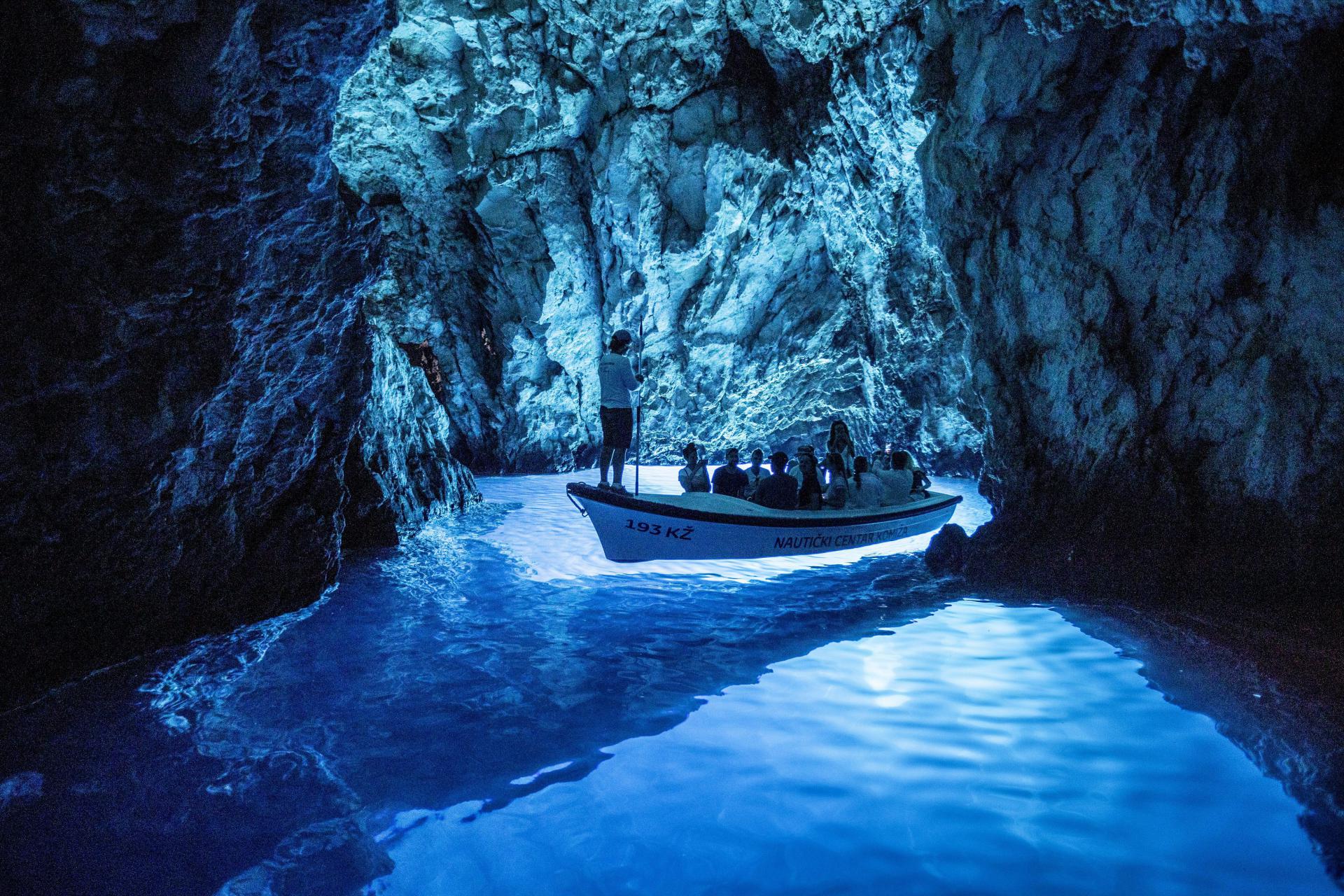
The Blue Cave is the most famous cave in Croatia, and also the easiest one to overhype.
It sits on Biševo, a small island near Vis. The cave's blue light effect is strongest when sunlight enters through an underwater opening, usually around late morning in good conditions.
That is the magic and the problem. Everyone wants the same light window, so high-season visits can involve waiting, tight boat handling and only a short time inside.
| Detail | What to know |
| Location | Biševo island, near Vis |
| Best base | Komiža if staying on Vis; Split or Hvar for day tours |
| Best time | Late morning for the light effect |
| Good for | First-time sea-cave visitors, Vis routes, island-hopping trips |
| Less good for | Travelers who dislike speedboats, crowds or weather uncertainty |
The cleanest version is from Komiža, because the ride to Biševo is shorter and the cave fits naturally into a Vis stay. The more convenient tourist version is a full-day speedboat tour from Split or Hvar.
If you only have one day from Split and want the Blue Cave, Vis and Hvar together, use a tour rather than trying to force the ferry timetable. This Blue Cave, Mamma Mia, Vis and Hvar 5-island tour from Split is the most direct fit for that route.
If you are starting from Trogir as well as Split, this Blue Cave, Mamma Mia, Hvar and 5 Islands tour from Split or Trogir is the cleaner option to check.
The downside is that it is a long boat day. If you get seasick, hate speedboats or want slow island time, stay on Vis and visit from Komiža instead.
For route planning, the Croatia island hopping guide explains when Blue Cave tours make sense and when a ferry-based island trip is better.
Green Cave on Ravnik
Green Cave sits on Ravnik, a small island near Vis.
It is usually visited as part of a wider boat trip around Vis, Hvar or the Blue Cave route. The green color comes from light entering the cave and reflecting through the water, though the effect is less famous than Biševo's blue glow.
Green Cave is often better as an add-on than as the reason for a whole day. If your boat route includes it, great. If you have to choose between Blue Cave and Green Cave on a first trip, choose Blue Cave.
| Detail | What to know |
| Location | Ravnik island, near Vis |
| Best base | Vis, Hvar or Split boat route |
| Good for | Boat-day swimming, Vis/Hvar add-ons |
| Less good for | Travelers expecting the same drama as Blue Cave |
| Main risk | Sea conditions and operator route changes |
Some routes allow swimming around or near the cave area, depending on rules, conditions and the operator. Check before you assume you can swim inside every sea cave in Croatia.
The practical advantage is that Green Cave often combines well with Vis coves, Stiniva-style stops and Hvar routes. The practical disadvantage is that it can become another rushed stop in a packed speedboat itinerary.
Vranjača Cave Near Split
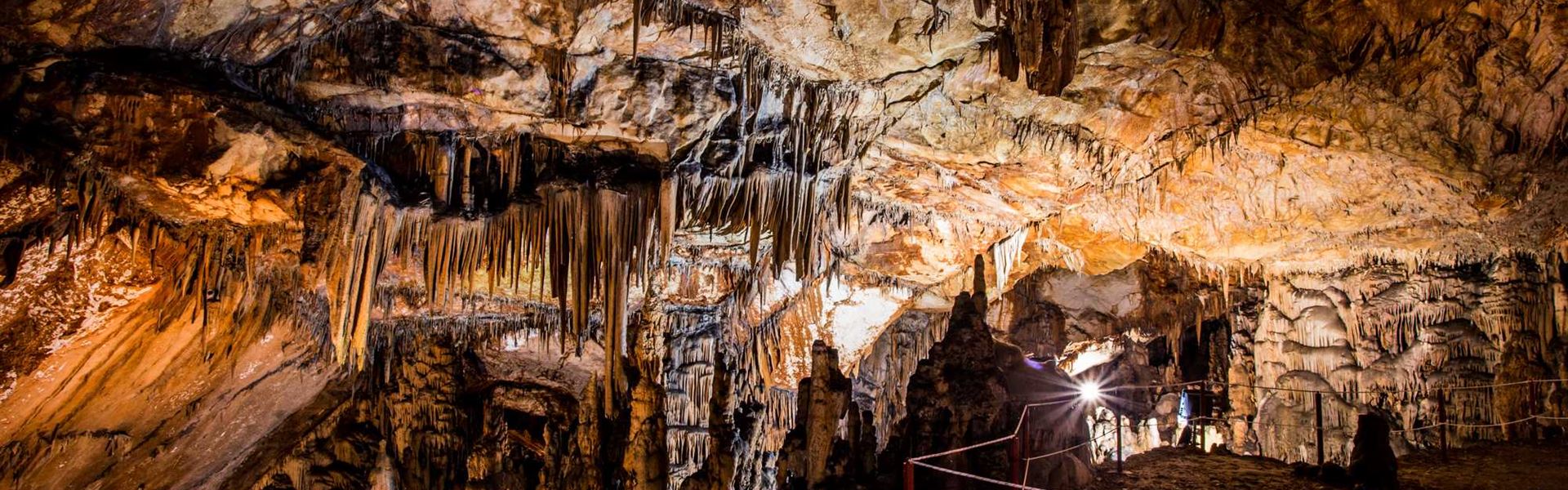
Vranjača Cave is the best cave near Split if you want a classic underground cave rather than a boat trip.
It is near Kotlenice, inland from Split and Dugopolje, in the Dalmatian hinterland. The visit is guided, and the cave has chambers, stalactites, stalagmites and cooler underground air.
This is a good option when you want a break from beaches, heat or old-town crowds. It also works better than a sea cave if wind makes boat trips unreliable.
| Detail | What to know |
| Location | Kotlenice, inland from Split |
| Best base | Split, Trogir or inland Dalmatia by car |
| Good for | Families, geology, hot-day escape |
| Less good for | Travelers without car access |
| Main risk | Steps, damp surfaces and seasonal opening details |
The cave is not in central Split. You need a car, transfer or a specific local arrangement. That is the reason many travelers skip it, not because it is weak.
If your itinerary is mostly around Split and central Dalmatia, use the Dalmatia Split destination guide to decide whether an inland cave stop fits between coastal days.
Baredine Cave in Istria
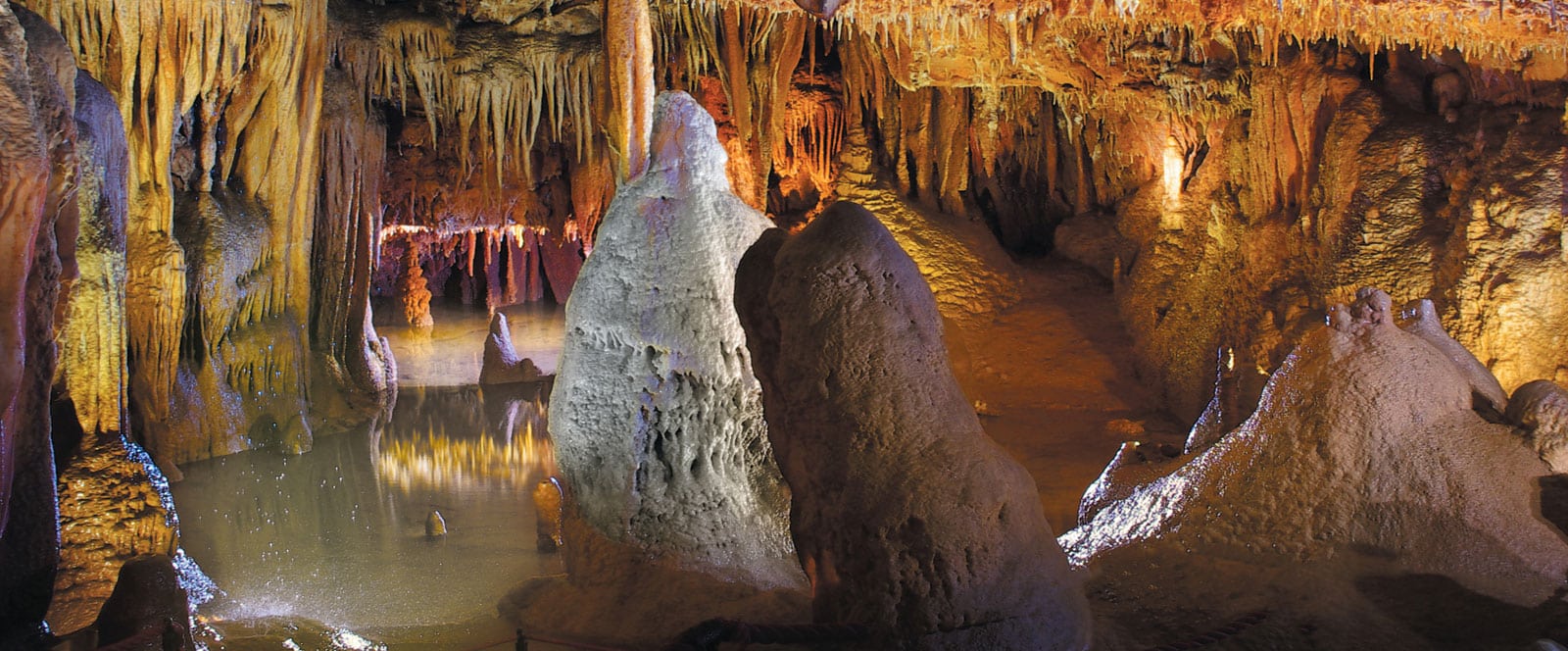
Baredine Cave is the easiest cave to add to an Istria itinerary.
It is near Nova Vas, close to Poreč, Višnjan and Tar. The cave is a protected geomorphological natural monument and has been open for tourist visits since 1995.
Baredine is guided, organized and more predictable than sea caves. That makes it useful for families, rainy days, hot afternoons and travelers who want a structured visit instead of a boat-dependent plan.
| Detail | What to know |
| Location | Near Poreč, Istria |
| Best base | Poreč, Rovinj, Novigrad, Motovun or wider Istria |
| Good for | Families, rainy days, Istria road trips |
| Less good for | Dalmatia-only itineraries |
| Main risk | Opening hours and guided-entry timing |
One important rule: cave visits in Croatia are generally guided where tourist access is permitted. Baredine's own information notes that tourist visits to caves in Croatia are legally permitted only when accompanied by a guide.
If you are already planning Istria, pair Baredine with the Poreč travel guide or the Istria destination guide. It makes much more sense from Istria than from Split or Dubrovnik.
Grabovača Cave Park Near Perušić
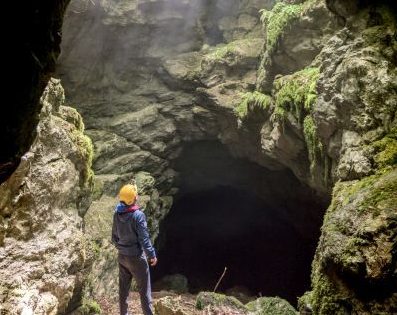
Grabovača is one of the strongest inland cave stops in Croatia.
It is a protected cave park near Perušić in Lika, and it makes much more sense for road trips than for coast-only itineraries. The main tourist cave is Samograd Cave, a guided visit with large halls, stone formations and a much more serious cave-park setting than a quick roadside stop.
Official regional information describes Grabovača as the only cave park in Europe. The Lika destination site also notes that 25% of all protected caves in Croatia are located in this area, with Samograd as the best-known site in the park.
| Detail | What to know |
| Location | Near Perušić, in Lika |
| Best base | Plitvice, Gospić, Lika road trip or Zagreb-to-coast drive |
| Main visitor cave | Samograd Cave |
| Good for | Serious cave scenery, families with a car, geology, inland Croatia |
| Less good for | Travelers staying only in Dubrovnik, Split islands or Istria |
| Main risk | Opening schedule, guided-tour timing and cooler cave temperature |
The guided Samograd Cave visit lasts about one hour according to the park's visitor information. The schedule changes by month, so check the official timetable before driving there.
Grabovača is also a good reminder that Croatia's best cave trips are not only on the coast. If your route includes Plitvice or inland Lika, this may be more rewarding than adding another crowded sea-cave boat stop.
For road-trip planning around this part of Croatia, use the Lika-Karlovac destination guide and the Plitvice Lakes National Park guide. Grabovača fits naturally between inland nature stops, not into a rushed beach itinerary.
Odysseus Cave on Mljet
Odysseus Cave is the most route-dependent cave on this list.
It sits on the southern side of Mljet island and is tied to local legend around Odysseus and Calypso. The cave is a sea grotto, and the visit is more physical than many people expect.
Depending on conditions and route, visitors may access the area by walking down from inland paths and swimming into the cave, or by boat from the sea side. Either way, it is not the same kind of controlled visit as Baredine or Vranjača.
| Detail | What to know |
| Location | Southern Mljet |
| Best base | Mljet island |
| Good for | Strong swimmers, Mljet stays, sea-cave scenery |
| Less good for | Nervous swimmers, young children, rough-sea days |
| Main risk | Steep access, rocks, waves and limited facilities |
Odysseus Cave is worth considering if you are already staying on Mljet and want something more physical than the national park lakes. It is not worth forcing as a day trip from Dubrovnik if your route is already tight.
For the bigger island picture, use the Mljet destination guide before adding the cave. Mljet rewards slower planning, and the cave should not be the only reason you go.
Which Croatia Cave Is Best for Your Trip?
The best cave depends almost entirely on your base.
Croatia's caves are spread across islands, Istria and inland Dalmatia. The mistake is treating them as a ranked list instead of matching one to the trip you are already taking.
| Your base | Best cave choice | Why |
| Split | Blue Cave tour or Vranjača Cave | One sea-cave option, one inland option |
| Vis/Komiža | Blue Cave and possibly Green Cave | Shortest practical access to Biševo/Ravnik |
| Hvar | Blue Cave/Green Cave boat route | Common full-day island tour route |
| Istria | Baredine Cave | Organized and close to Poreč |
| Plitvice/Lika road trip | Grabovača Cave Park | Serious inland cave park near Perušić |
| Mljet | Odysseus Cave | Fits only if you are already on the island |
| Dubrovnik | None as a must-do | Better cave choices are farther away |
If you are in Dubrovnik and want caves, be honest about distance. Lokrum and nearby coastal swimming spots can be fun, but the strongest cave choices on this list are not Dubrovnik-first experiences.
Cave Safety and Expectations in Croatia
Sea caves and inland caves have completely different risks.
Sea caves depend on wind, waves, boat operators and swimming conditions. Inland caves depend on guided access, steps, damp surfaces, cooler temperatures and opening hours.
| Cave type | Main safety notes |
| Sea caves | Weather, boat handling, swimming ability, slippery rocks |
| Inland caves | Guided entry, steps, low light, cooler temperatures |
| Island caves | Access logistics, limited services, return transport |
Wear shoes that match the visit. Smooth sandals are a bad idea for wet stone steps, boat landings or rocky paths.
Do not assume swimming is allowed just because a cave is in the sea. Rules vary by site, operator and condition.
Frequently Asked Questions
What is the most famous cave in Croatia?
The Blue Cave on Biševo is the most famous cave in Croatia. It is known for the blue light effect created when sunlight enters through an underwater opening, usually strongest around late morning in good conditions.
Can you visit the Blue Cave independently?
Yes, but it takes planning. The simplest independent version is usually from Komiža on Vis, with local boat access to Biševo. Most day visitors from Split or Hvar use organized boat tours because timing, sea conditions and connections matter.
Are caves in Croatia suitable for kids?
Some are. Baredine, Vranjača and Grabovača can work better for families because visits are guided and structured. Sea caves depend more on boat conditions, swimming ability and how well children handle long days on the water.
When is the best time to visit caves in Croatia?
Late spring to early autumn is best for sea caves because boat routes and swimming conditions are more reliable. Inland caves such as Baredine and Vranjača can work in more seasons, but opening hours and guided-entry times still matter.
Can you swim in Croatia's caves?
Sometimes, but not everywhere. Odysseus Cave and some sea-cave routes can involve swimming, while Blue Cave visits are usually controlled by boat access. Always check the site rules and operator instructions.
Which cave near Split is best?
For a sea-cave day from Split, choose the Blue Cave on a full-day boat tour. For a classic underground cave near Split, choose Vranjača Cave in the Dalmatian hinterland.
Is Grabovača Cave Park worth visiting?
Yes, if you are driving through Lika or pairing it with Plitvice, Gospić or an inland Croatia route. It is less convenient for coast-only trips, but Samograd Cave and the wider protected cave park make it one of the stronger inland cave stops in Croatia.
Where to stay in Croatia: search hotels on Booking.com.