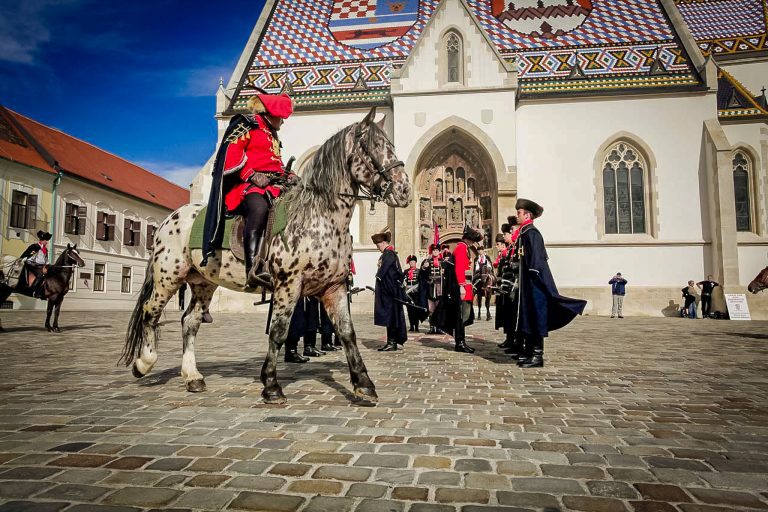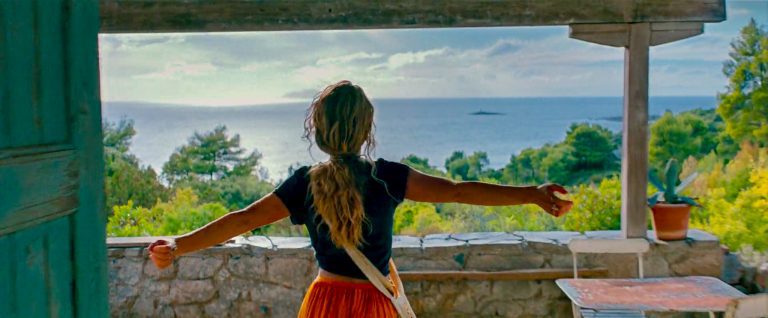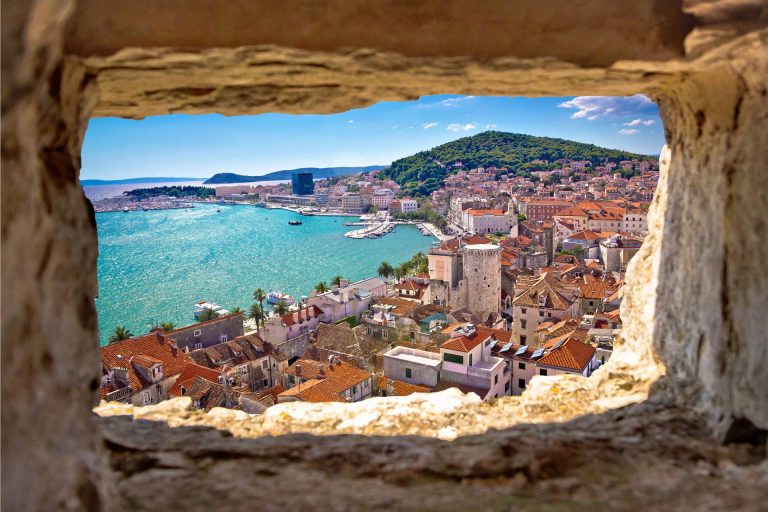
The best things to do in Split start with one money-saving fact. You can walk straight into Diocletian’s Palace for free, because it is not a museum behind a ticket gate. It is a 1,700-year-old Roman palace that became the old town. Cafes, apartments and shops sit built into the original walls.
You only pay for specific bits inside. That means the cathedral, the bell tower and the underground cellars. Everything else costs nothing, so that includes the famous Peristyle square and the marble lanes.
Plan two to three days. Spend one day on the palace and the old town, then another on Marjan Hill and the beach. Keep at least one for a day trip to the islands or Krka waterfalls. Below is what is worth your time. You will also find what costs what in 2026 and the one or two things I would skip.
Diocletian’s Palace: the essential things to do in Split

Start at the Peristyle, the colonnaded central square. It is the heart of the palace, and also a good orientation point before you wander the side lanes.
The grounds stay open 24 hours because people live here. Come back at 8am or after 9pm to see the same lanes nearly empty. Most photos do not show that version.
The paid sites keep their own hours. In summer (June to September) they run roughly 9am to 7pm. In spring and autumn they shrink to 9am to 5pm. Buy a combined cathedral ticket, and then you are not paying piecemeal at each door.
The Substructures, or cellars, sit beneath the palace. Entry costs around 8 euros. These vaults are the best-preserved part of the complex. They also served as a Game of Thrones filming location, so expect crowds mid-afternoon. Go first thing instead.
Is climbing the cathedral bell tower worth it?
Yes, but only if you can handle heights and tight stairs. The Cathedral of St. Domnius bell tower costs about 7 euros. It gives you the clearest view over the red rooftops, the harbour and Marjan Hill.
The climb is steep. The metal staircase is open too, so you see straight down through the steps. People who get vertigo regret it halfway up.
The cathedral itself was Diocletian’s mausoleum, which is a strange twist because he persecuted Christians. A combined ticket covers the cathedral, crypt, treasury and bell tower. It runs around 15 euros, so that is the most efficient way to see the lot.
What is the Riva and is it just for tourists?
The Riva is Split’s seafront promenade. It is a wide marble walkway lined with palm trees and cafe terraces facing the water. Locals actually use it, especially for the evening walk known as the corso.
The coffee here costs more than two streets inland. So treat it as a place to people-watch over one drink, not to eat a full meal. Sit, order a coffee, watch the ferries come and go.
Time it for sunset, when the light hits the palace walls behind you. The whole strip then fills up around 7pm.
How do you hike Marjan Hill?

Marjan is the forested hill on the west side of the city. It is a 15-minute walk from the old town, so start near Varos. Climb the stone steps past the Vidilica cafe viewpoint, then keep going along the ridge paths.
It is free and shaded by pine. The lookouts give you views over the city, the harbour and the islands of Brac, Hvar and Solta. The full loop still takes about two hours at an easy pace.
Bring water in summer. There is little shade once you pass the first viewpoint. Small swimming coves sit on the far side if you want to combine the walk with a dip.
Where do you swim in Split?
Bacvice is the closest beach, a 10-minute walk southeast of the old town. It is one of the few sandy beaches in the area. So it gets packed in July and August.
Honest take: Bacvice is fine, not special. The sand is nice for kids and the water is shallow, but the crowds and the loud bars behind it put a lot of people off. Come early morning, or skip it for the rocky coves on Marjan instead.
What makes Bacvice worth a look is picigin, the local ball game invented here. Players stand in shin-deep water and dive around to keep a small ball from landing. Watching the regulars play it badly and brilliantly beats the swim itself.
Should you visit Klis Fortress?

If you have a half-day and a car or bus, then yes. Klis Fortress sits 385 metres up on a ridge about 12 kilometres north of Split, so it guards the pass inland.
Entry is roughly 11 euros. The fort is over 2,000 years old. It also served as a Game of Thrones location, doubling as Meereen. That draws most visitors, but the real reason to go is the view straight down over Split and the sea.
Local bus number 22 runs from the Split market area. It takes around 30 minutes. Go in the late afternoon, when the heat eases and the light is better for the view.
What are the best day trips from Split?
This is where Split earns its place as a base. The islands and national parks within reach are the reason to add days to your trip, rather than a reason to subtract them.
Here is how the main options compare:
| Day trip | Duration | Rough cost | Best for |
|---|---|---|---|
| Blue Cave + Hvar (5 islands) | 10–11 hrs | tour from ~70 euros + cave fee | Swimming, islands, the Mamma Mia crowd |
| Krka National Park | 9–10 hrs | tour + park fee (~40 euros summer) | Waterfalls you can walk beside |
| Trogir | Half to full day | ~5 euros by bus | A quieter old town, low effort |
| Klis Fortress | Half day | ~11 euros entry | History and views, close to town |
Blue Cave and Hvar
The 5-islands speedboat tour is the headline trip. It hits the Blue Cave on Bisevo, the fishing town of Komiza on Vis, a blue lagoon for snorkelling, and then the town of Hvar.
The Blue Cave itself has a separate cash-only entry fee. It runs around 24 euros in peak summer (20 June to 10 September) and 18 euros either side. This Blue Cave, Hvar and 5 islands boat tour from Split runs the full day with snorkelling gear included. Book a morning departure, because the cave’s blue glow needs midday light. The afternoon boats also hit bigger crowds.
If you want to focus on one island rather than five, the island hopping guide breaks down which Croatian islands suit which kind of trip.
Krka National Park
Krka is the easier waterfall trip from Split, and for many people the better one. You can walk the boardwalks right alongside the Skradinski Buk falls. In fact, seven cascades drop into a wide pool there.
The park entrance fee is steep in summer. It runs around 40 euros per adult from June to September, then drops to roughly 16 euros in spring and autumn. A guided Krka waterfalls day tour from Split with a boat ride handles the transport and skips the ticket queue, which matters in July. If you would rather drive yourself, rent a car at Split airport through Discover Cars and reach the park in about an hour.
Trogir
Trogir is the low-effort day trip. It is a tiny walled old town 32 kilometres up the coast. The local bus gets you there in 30 minutes for a few euros. It is quieter and arguably prettier than central Split, though you get just a compact cathedral and a small harbour.
You only need half a day, so combine it with a Krka tour. Many depart from Trogir anyway.
What is the nightlife like in Split?
Bacvice is the main nightlife zone after dark. The beach bars and clubs behind it run late in summer, so they pull a young crowd. If you want to stay close, look at hotels in Split on Booking.com around the Bacvice end of town.
For something quieter, head to the bars inside the palace walls and around the old town. They serve good local wine and rakija without the club volume. The terrace bars near the Riva are pricier, but they hand you a sea view.
Croatia uses the euro now. Currency is no longer the headache it once was. A travel card still saves you on fees if you are coming from outside the eurozone.
What is overrated in Split?
Three honest calls. Bacvice beach is overhyped. The sand is pleasant, but the crowds and noise rarely match the photos. Instead, the rocky coves on Marjan are calmer and just as warm.
The Blue Cave can disappoint if you go on a cloudy day or a packed afternoon boat. Its glow depends entirely on the sunlight angle. Riva cafe prices are tourist-tier too, so treat the promenade as a view, not a meal.
None of these are reasons to skip Split. Instead, they are reasons to plan around them. Then spend your money where it actually pays off.
How many days do you need in Split?
Two days covers the city itself. That means the palace, the cathedral climb, the Riva, Marjan Hill and a swim. Three or more then lets you add the day trips that make the region worth it.
If you only have one day, walk the palace in the morning. Climb the bell tower next, then spend the afternoon on Marjan. If you have a week, use Split as your base for Krka, the islands and a leg toward Dubrovnik down the coast.
Frequently Asked Questions
What are the best things to do in Split?
Walk Diocletian’s Palace and the Peristyle (free). Climb the cathedral bell tower (about 7 euros). Stroll the Riva at sunset. Hike Marjan Hill. Then take at least one day trip to Krka National Park or the Blue Cave and Hvar islands.
Is Diocletian’s Palace free?
Yes. The palace grounds and lanes are free to enter and open 24 hours, because it is a living part of the old town. You only pay for specific sites inside. That means the cathedral and bell tower (around 15 euros combined) and the underground cellars (around 8 euros).
What are the best day trips from Split?
The top three are Krka National Park for waterfalls (9 to 10 hours), the Blue Cave and Hvar 5-islands boat tour (10 to 11 hours), and Trogir for a quieter old town (half a day, a few euros by bus). Klis Fortress is also an easy short trip, just 30 minutes away.
How many days do you need in Split?
Two days for the city itself. Three or more if you want day trips. So with one day, prioritise the palace, the bell tower and Marjan Hill. With a week, base yourself in Split and explore Krka, the islands and the route toward Dubrovnik.
Is Split worth visiting?
Yes. A free-to-enter Roman palace that doubles as a living old town is rare anywhere in Europe. Split also sits within easy reach of waterfalls, islands and walled towns. It works best as a base for the wider Dalmatian coast rather than a single-day stop.
How do you get to Klis Fortress from Split?
Take local bus number 22 from the Split market area. It takes about 30 minutes and drops you near the fortress. Entry is around 11 euros. Go in the late afternoon, because it offers cooler temperatures and better light over the city.
Plan your Split trip next
Pick your base first. Then build around it. Read the full Split destination guide for neighbourhoods, where to stay and how to get around. Then lock in one day trip early. The island and Krka tours sell out fastest in July and August.