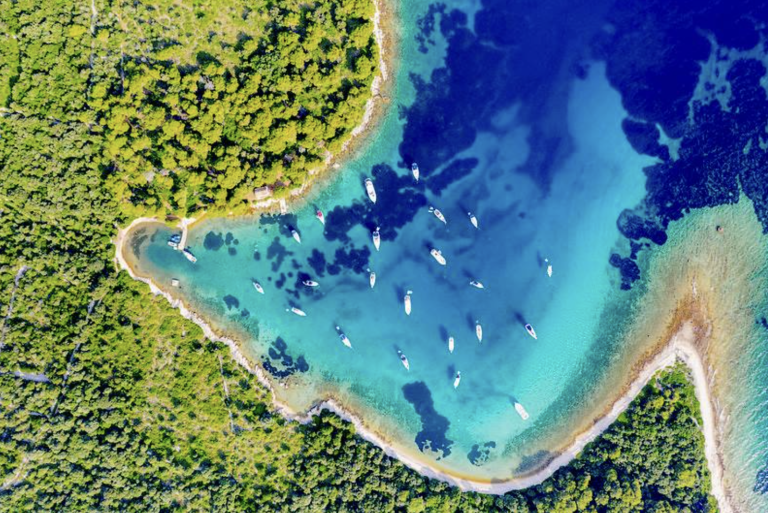
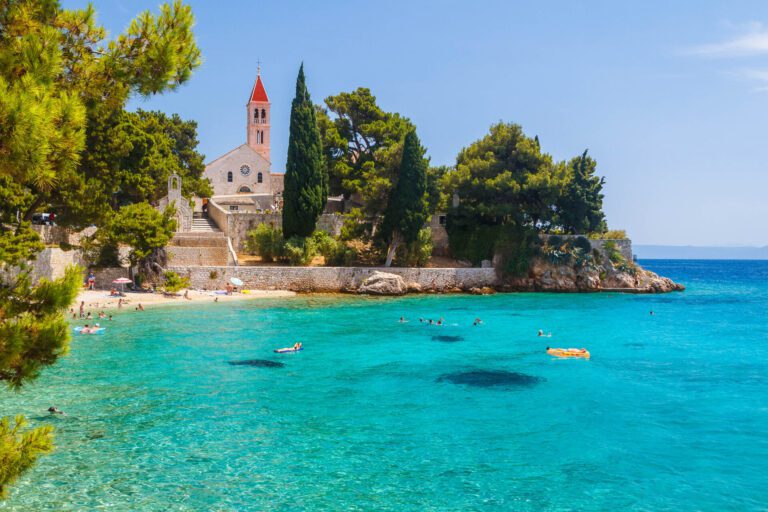
First trip and you only get one island? Pick Hvar for the all-rounder. Brač is the move for beaches near Split. Go Korčula for wine and old-town charm. For a slower, more authentic feel, choose Vis. Mljet covers forest and lakes. And if you came to party, Pag is the only real answer. Overall, that single rule covers how most people choose between Croatian islands. If you already see your pick, skip to the table below for ferry times.
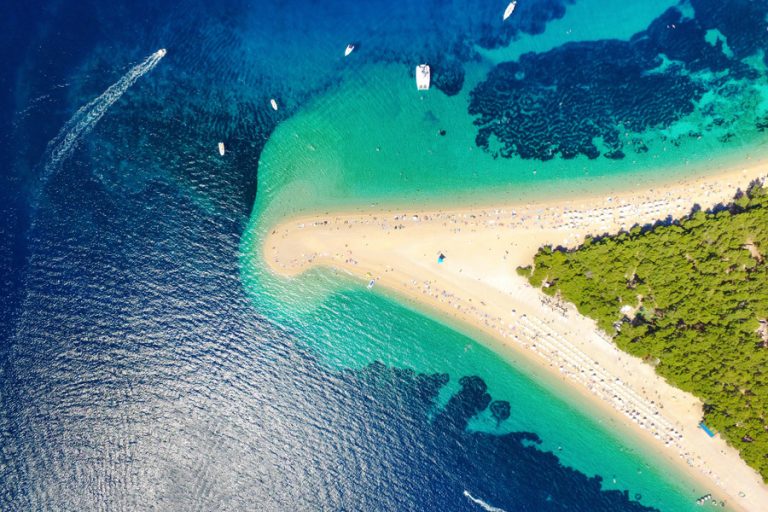
The longer answer depends on what you actually want from the trip, because each island suits a different kind of traveller. Famous beaches? Brač has Zlatni Rat, the spit of pebble that shifts shape when the wind changes. After nights out, Pag’s Zrće beach is the rave coast. For wine and quiet harbours, it’s Korčula. Prefer nature over nightlife? Then Mljet, mostly a national park, delivers that. Vis is the pick if you want the island that feels least touristy, since it was closed to outsiders until 1989 and is still slow. The rest of this guide breaks each island down by character, fit, and how to reach it.
How many islands does Croatia have?
Croatia has more than 1,200 islands, islets and reefs along its Adriatic coast, making it the largest archipelago in the Adriatic and the second largest in the Mediterranean. In fact, the commonly cited total runs to around 1,244 when you count every rock and reef.
Only about 47 to 50 of them are permanently inhabited, depending on how you count. So the number sounds overwhelming. But your real shortlist is short. In fact, a dozen islands cover almost everything a visitor would want. Therefore, this guide focuses on those.
How to choose a Croatian island by interest
Start with the question “what is this trip for?” rather than “which island is best?” After all, there is no single best Croatian island, only the right one for your plan.
Match it like this:
– Beaches and easy access from Split: Brač or Hvar
– Nightlife and festivals: Pag, plus Hvar Town for the polished version
– Wine, history and a walkable old town: Korčula
– Slow, authentic, fewer crowds: Vis or Lastovo
– Nature, hiking and lakes: Mljet
– Long sandy and gravel beaches in the north: Rab or Lošinj
– Easy first trip with a car and an airport nearby: Krk
The other big filter is how you arrive, so think about your airport first. Fly into Split, for example, and the Dalmatian islands are a short ferry away. Fly into Zadar instead and the Zadar islands and Pag are closest. Or stay in the north near Rijeka, where the Kvarner islands suit you better.
The Dalmatian islands: Hvar, Brač, Korčula, Vis, Mljet
These sit off Split and Dubrovnik and form the classic Croatia island route, so most first-timers end up here.
Hvar
Hvar is the all-rounder and the glamour island. The main town has Renaissance architecture, a hilltop fortress, and a yacht-and-cocktail crowd at night. The honest downside: Hvar Town is the most expensive island base in Croatia, and it also gets loud in July and August. That’s why families and quiet-seekers often prefer Stari Grad or Jelsa on the same island.
Brač
Brač is the largest Dalmatian island and the easiest beach day from Split. Zlatni Rat near Bol is the beach you have seen on postcards, while Vidova Gora is the highest peak of any Croatian island. Brač is also less polished than Hvar, and many people count that as a plus.
Korčula
Korčula is the wine-and-history pick. The walled old town looks like a small Dubrovnik. Also, the island grows native white grapes Pošip and Grk that you will not drink anywhere else. Overall, it is calmer than Hvar and good for couples and slower travellers.
Vis
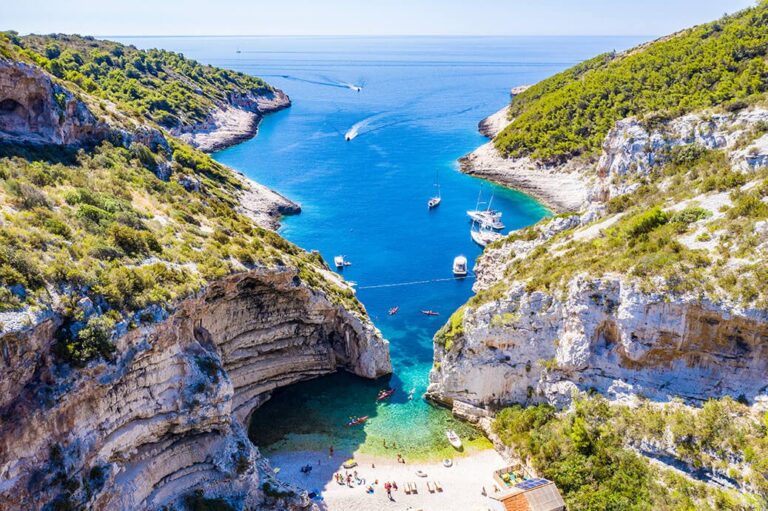
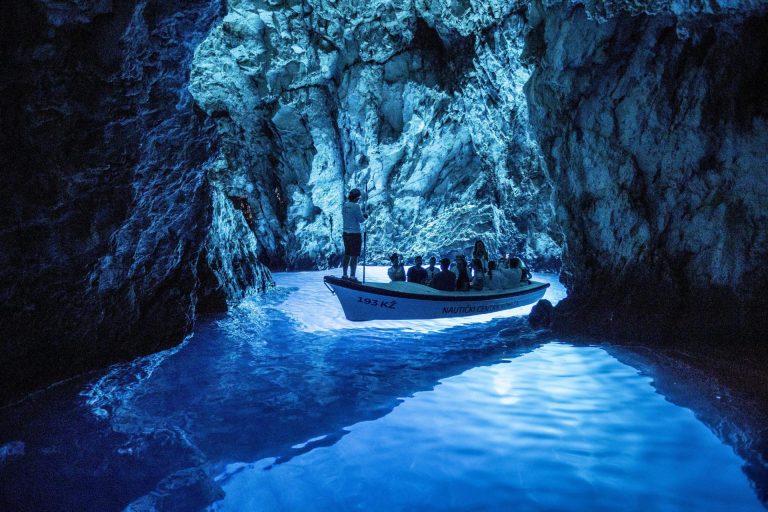
Vis is the farthest of the main islands and the most authentic. Closed to foreigners until 1989, it kept its fishing-village feel, and beaches like Stiniva plus the nearby Blue Cave on Biševo bring the drama. The trade-off is fewer big resorts and a longer ferry, but that is exactly why people who go love it.
Mljet
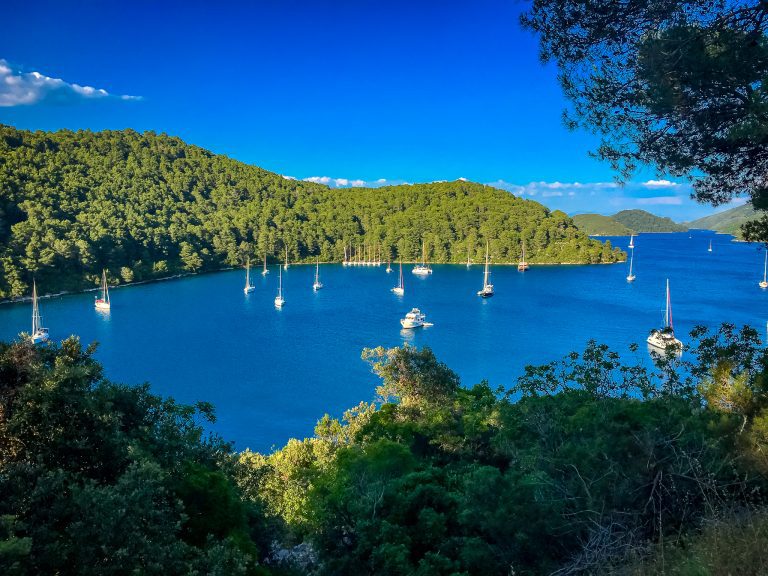
Mljet is the nature island. Its western third is a national park with two connected saltwater lakes ringed by pine forest. Also, a tiny island-within-a-lake holds a Benedictine monastery. Come here to hike, cycle and kayak, rather than to party. The easiest way in is a guided day trip from Dubrovnik, so this Mljet National Park day trip handles the boat, the park entrance and the guided lake walk in one go. For the full breakdown of the park itself, see the Mljet National Park guide.
Cannot decide between the three headline Dalmatian islands? I compared them side by side in Hvar vs Brač vs Korčula.
The Kvarner islands: Krk, Cres, Rab, Lošinj
These sit in the northern Adriatic near Rijeka, making them the most car-accessible islands in the country. That’s good if you are driving down from central Europe.
Krk is the easiest island in Croatia to reach: a bridge connects it to the mainland, and Rijeka airport sits on the island itself. Because of that convenience, it gets busy and built-up in summer. Even so, it is a low-stress first island for families and road-trippers.
Cres is long, wild and thinly populated, and it is especially known for griffon vultures and a quiet, old-Croatia pace. Lošinj, connected to Cres by a short bridge, is greener and more groomed instead, with a spa-town feel around Mali Lošinj and resident dolphins offshore.
Rab is the beach island of the group, with proper sandy beaches that are rare in rocky Croatia, as well as a pretty medieval old town of four bell towers. That makes it a good fit for families who want sand rather than pebbles.
Pag: the party island
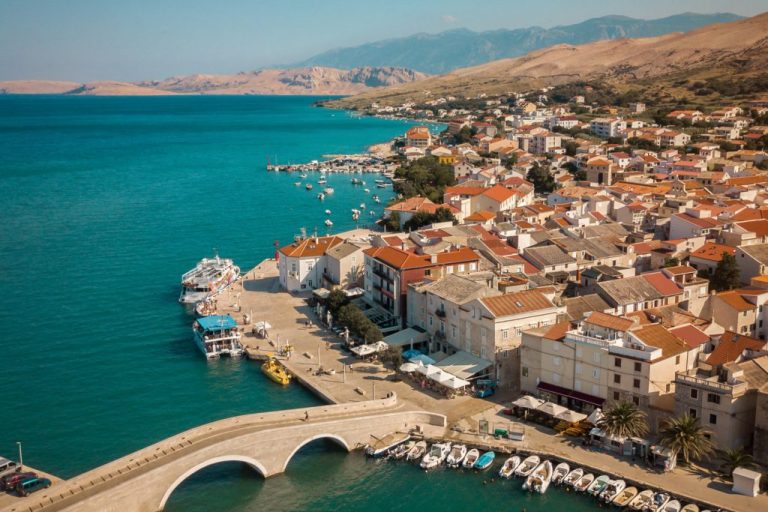
Pag is the divisive one. The landscape is bare and rocky, almost lunar in places: some travellers find it striking, others find it bleak. So if you want green and forested, this is not your island.
What Pag does have, though, is Zrće beach near Novalja, Croatia’s nightlife capital. It runs open-air clubs and summer festivals till dawn. Off the dance floor, Pag is famous for its sharp sheep’s-milk cheese and salt-marsh lamb. Honest take: Pag is built for two very different visitors. One is the festival crowd. The other is the food-and-quiet crowd. Still, they rarely overlap.
The Zadar islands: Dugi Otok and beyond

Off Zadar lie quieter islands that most first-timers skip. That is part of the appeal.
Dugi Otok (“Long Island”) is the standout. Telašćica Nature Park, with its high cliffs and a salt lake, sits at its southern end. It also has Sakarun, one of the best sand-bottomed bays in Croatia, and stays calm, underbuilt, and ideal for beaches without crowds. The smaller Zadar islands such as Maun, Škarda and Sestrunj are even quieter. They suit a day on a boat rather than a week-long base.
Best Croatian island for first-timers
Hvar, if you want one island that does a bit of everything: old town, beaches, boat trips and nightlife in one place. Base yourself in Stari Grad rather than Hvar Town for the scenery without the party prices.
Short on time and flying into Split? Brač is the easier pick, since the ferry is only about an hour and Bol gives you the famous beach immediately.
Best Croatian island for beaches
Brač for Zlatni Rat, Rab for actual sand, and Dugi Otok for Sakarun bay. But Croatia’s beaches are mostly pebble and gravel, so bring water shoes wherever you go. If sand specifically matters to you, Rab and Lošinj in the north have the most of it.
Best Croatian island for nightlife
Pag, no contest, for the Zrće festival scene. Hvar Town is the upmarket alternative instead, with beach bars and a glossier crowd rather than all-night raves. Everywhere else on this list is quiet after midnight, and for most travellers that is the point.
Best Croatian island for wine
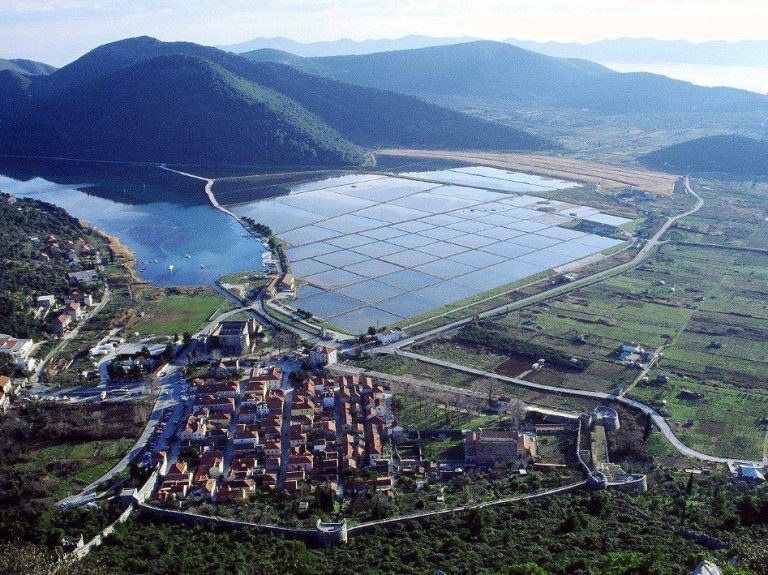
Korčula for Pošip and Grk whites. For a wine-tasting side trip, the Pelješac peninsula across the channel does Plavac Mali reds. Vis also makes a respected white from the Vugava grape. Overall, Korčula is the most rewarding base if wine is the reason for the trip.
Best Croatian island for nature and quiet
Mljet for the national park lakes and forest. Vis and Lastovo for slow, low-development calm. Cres for wildness. Lastovo in particular is one of the most remote inhabited islands, and it is also a designated nature park with dark night skies and very few visitors.
Best Croatian island for families
Rab for sandy beaches and shallow water, Brač for the easy Split ferry and space to spread out, and Krk for the bridge access and airport that mean no ferry stress with kids. Hvar Town, though, is the one to be careful with, since the nightlife and prices suit couples more than young children.
Croatian islands at a glance
| Island | Vibe | Best for | Nearest mainland port | Ferry time |
|---|---|---|---|---|
| Hvar | Glamour, all-rounder | First-timers, couples, nightlife | Split | 50 min–2 hr |
| Brač | Relaxed, beach-led | Beaches, easy Split day trip | Split | ~1 hr |
| Korčula | Wine, history, calm | Wine lovers, slow travel | Split | 2 hr 20–3 hr |
| Vis | Authentic, slow | Fewer crowds, fishing-village feel | Split | ~2–2.5 hr |
| Mljet | Forest and lakes | Nature, hiking, kayaking | Dubrovnik / Pelješac | ~1.5 hr |
| Pag | Barren, party | Nightlife, cheese and lamb | Zadar (or bridge) | Bridge / short ferry |
| Krk | Built-up, convenient | Families, road trips | Rijeka (bridge) | Bridge, no ferry |
| Cres | Wild, quiet | Solitude, wildlife | Rijeka / Brestova | ~20–30 min |
| Rab | Sandy, family | Beaches with real sand | Rijeka / Stinica | ~15 min |
| Lošinj | Green, spa-town | Wellness, families | via Cres bridge | via Cres |
| Dugi Otok | Quiet, scenic | Crowd-free beaches | Zadar | ~1.5 hr |
| Lastovo | Remote, dark skies | Total quiet, stargazing | Split (via Vela Luka) | ~3.5 hr+ |
Ferry times vary by season. They also vary by whether you take a slow car ferry or a fast catamaran. Always check current Jadrolinija and Krilo schedules before you build a day around one crossing.
How to get to the Croatian islands
Almost every island trip starts at a mainland ferry port: Split is the main hub for the Dalmatian islands, Zadar serves Pag and Dugi Otok, Rijeka or its nearby ports serve the Kvarner group, and Dubrovnik connects to Mljet and the southern islands.
Two kinds of boat run these routes. Car ferries are slower, but they let you bring a vehicle. Passenger-only catamarans are faster instead, though they take foot passengers only. Jadrolinija runs most car ferries, while Krilo and TP-Line run many of the fast catamarans. In July and August, book ahead, especially for cars, since popular crossings sell out. Book online in advance directly through the operators (Jadrolinija, Krilo, TP-Line).
Can you island hop in Croatia?
Yes, and it is one of the best ways to see the coast. The classic Dalmatian chain links Split to Brač, Hvar, Vis, Korčula and Mljet by a mix of ferries and catamarans, so you can string several together over a week.
Still, you do not need a yacht to do it. Either base on one island and take day boats out. Or move island to island by public ferry. That is cheaper and surprisingly well connected in summer. For the step-by-step route planning, read the island hopping guide.
Rather see several islands in one day without the logistics? Then a speedboat tour does the work for you. From Hvar, this Blue Cave, Vis and Pakleni speedboat tour hits the most photogenic stops in a single run. From the mainland, this 5-island tour from Split covers the Blue Cave, the Mamma Mia beach and both Vis and Hvar.
A note on island accommodation: book early for July and August. The best harbour-view rooms and family apartments on Hvar, Brač and Korčula go months ahead, so compare island stays on Booking.com.
Frequently asked questions
Which Croatian island should I visit?
For a first trip, Hvar is the safest all-round pick. It combines an old town, good beaches, boat trips and nightlife on one island, so nothing is missing from a first visit. Want beaches specifically? Choose Brač. Wine and history point you to Korčula. Quiet nature means Mljet or Vis. And for partying, pick Pag.
What is the most beautiful Croatian island?
However, there is no single answer. The most-cited contenders are Hvar for its old town and lavender hills, Mljet for its forest-ringed lakes, and Vis for its untouched coves like Stiniva. Meanwhile, Brač’s Zlatni Rat beach is regularly ranked among the best beaches in Europe.
Which Croatian island is best for families?
Rab for its sandy, shallow beaches, Krk for bridge access and an on-island airport that removes ferry stress, and Brač for the short Split crossing and plenty of space. Avoid basing young families in Hvar Town, though, since the nightlife and prices suit couples better.
What is the best Croatian island for nightlife?
Pag, thanks to Zrće beach near Novalja. It hosts open-air clubs and summer festivals. Hvar Town is the more upmarket alternative, with beach bars and a polished crowd rather than all-night raves.
How many islands does Croatia have?
Croatia has more than 1,200 islands, islets and reefs, often cited as around 1,244 in total. Only about 47 to 50 are permanently inhabited. The realistic shortlist for visitors is a dozen or so.
Do I need a car on a Croatian island?
Not on small or walkable islands like Hvar Town, Korčula or Vis. There you can still get around on foot, by scooter, or by local boat. A car helps on larger islands such as Brač, Krk and Cres if you want to reach remote beaches. But bringing one over on the ferry costs more and needs booking ahead in summer.
Where to start
Decide on your arrival airport first, since that sets your closest islands. Flying into Split points you at Brač, Hvar, Korčula and Vis, Zadar points you at Pag and Dugi Otok, and Rijeka points you at the Kvarner group. Once you have your shortlist, read the island hopping guide to turn one island into a proper route.