Is Dubrovnik worth it? Yes – just not the way most people do it. The Old Town is genuinely one of the best-preserved walled cities in Europe. The City Walls walk earns the hype. The catch is timing.
So is Dubrovnik worth visiting in 2026? It is, if you accept one condition. You go early. You go in shoulder season. Or you accept that midday in July you will shuffle shoulder-to-shoulder behind a cruise group. People who land at noon in August and leave annoyed are not wrong. They just visited at the worst possible hour.
Here is the honest version. Two days is enough for the city itself. Add a third for a boat day out to the Elaphiti islands. Then you have the trip most people should take. Below is what makes it worth it, what makes it feel overrated, and how to dodge the worst of the crowds.
Is Dubrovnik worth visiting? The honest verdict
Short answer: yes, for two to three days, in the right season, at the right hour.
The Old Town is small. Roughly 42,000 people live in Dubrovnik. Last year around 1.35 million guests passed through. That math is the whole problem in one line: more than 30 tourists per resident.
When the city is quiet, it is one of the best things you will do in Croatia. When two cruise ships are in port, Stradun feels like a train platform at rush hour. Same stones, completely different trip.
Why some people find Dubrovnik overrated
The complaints are real and worth saying out loud.
It is expensive. A coffee on Stradun runs €6 to €9. A beer in the Old Town runs €8 to €11. A main dish in a mid-range Old Town restaurant runs €18 to €30. You pay a premium for the postcard.
It gets unbearably crowded midday. A cruise crowd can fill the main street in minutes. It then thins out by late afternoon when the ships leave.
And the Old Town is compact. You can walk its length in ten minutes. That surprises people expecting a sprawling city. Say you booked four days inside the walls with no day trips. You will run out of city by day two and start to feel cheated.
What makes Dubrovnik worth it
Now the genuinely good part.
The City Walls walk is the headline. It delivers. A full loop is about two kilometres of rampart with sea on one side and terracotta roofs on the other. Nothing else in Croatia looks like it from up there.
The food is better than the crowds suggest, especially if you walk five minutes out of the Old Town. Order the crni rižot (squid-ink risotto) at a place where locals actually eat. Skip the first terrace on Stradun.
And the position is the real asset. Dubrovnik is your launch pad for boat days to the Elaphiti islands. It also makes easy day trips to Mostar in Bosnia and the Bay of Kotor in Montenegro. The city is the base. The region is the reward.
How many days do you need in Dubrovnik?
For the Old Town alone, two days. The history rewards a slower pace than Split. You can see the Split core in a few hours.
Add a third day for a boat trip and you have the ideal stay. Beyond three or four days, you are using Dubrovnik as a base for Mostar, Montenegro, or the islands rather than the city itself. That is a fine plan if you go in knowing it.
| Days in Dubrovnik | What you can realistically do |
|---|---|
| 1 day | City Walls early, lunch, Old Town, leave before the afternoon ship surge. Doable but rushed. |
| 2 days | Walls, Old Town properly, cable car at sunset, Lovrijenac fort, a real dinner. The sweet spot for the city itself. |
| 3 days | Everything above plus a full boat day to the Elaphiti islands. The trip most people should take. |
| 4+ days | Use Dubrovnik as a base for Mostar, the Bay of Kotor in Montenegro, or a beach day on Lopud. |
The cruise-ship problem and how to dodge it
This is the single most important thing to plan around.
Dubrovnik now caps cruise arrivals at two ships per day. The daily limit is roughly 4,000 disembarking passengers. Each ship must dock at least eight hours. That helps. But 4,000 people landing into a town of 42,000 still hits hard.
The crowd has a predictable rhythm. Ships unload in the morning. Peak congestion lands roughly 10am to 4pm. It then drains as passengers reboard for dinner. Work against that clock.
Walk the City Walls right at opening (8am) or in the last two hours before close. By 2026, the walls are moving to timed advance booking. Check the slot system and grab the earliest one. Tiqets sells walls tickets online if you want to skip the queue.
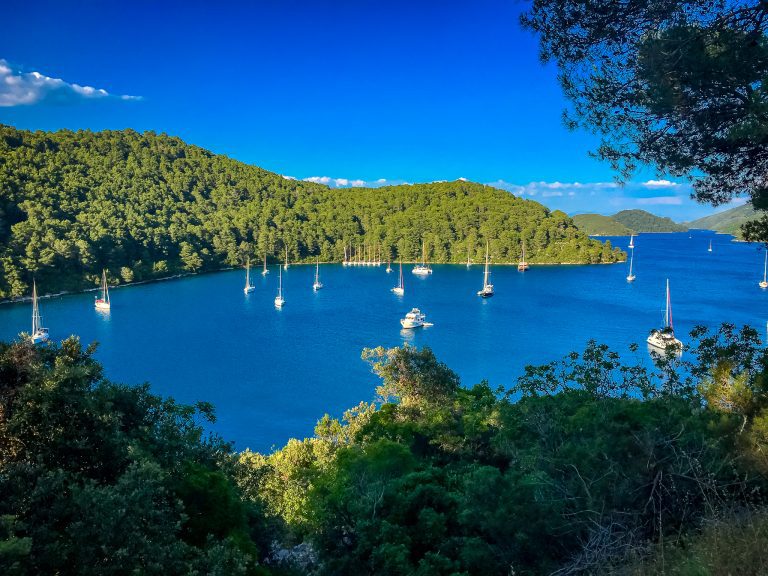
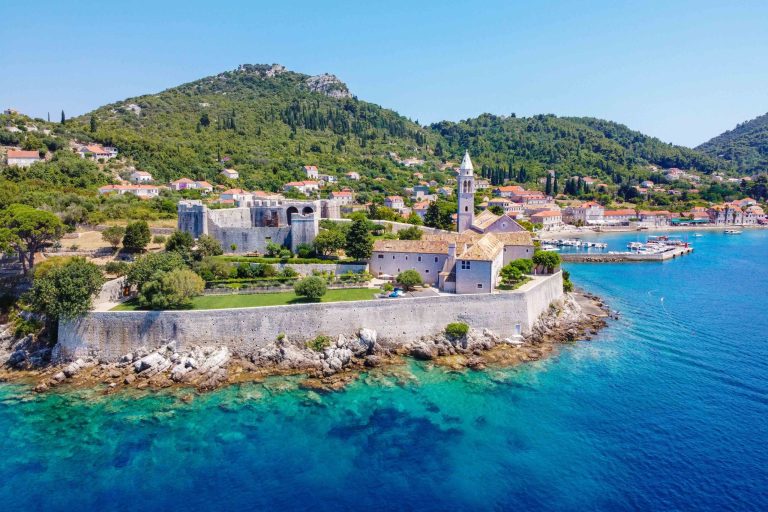
Then leave town at the busiest hour. A half-day boat trip to the Elaphiti islands gets you off the stones and onto the water exactly when the Old Town is at its worst. This half-day Elaphiti boat tour covers Koločep, Lopud, and Šipan. It is the swimming-and-quiet antidote to a packed midday Stradun.
Best time of year to make Dubrovnik worth it
Shoulder season is the answer almost every honest local gives: late April to May, or September to October.
In those months you get warm-enough sea, walkable temperatures, lighter crowds, and lower prices. The City Walls drop to €15 in winter (November to end of February) versus €40 in summer. So off-season is also far cheaper if you do not mind cooler swimming.
July and August are the worst combination: peak crowds, peak heat on the exposed walls, and peak prices. If summer is your only window, commit fully to the early-morning-and-evening rhythm.
Is Dubrovnik worth it with kids or on a budget?
With kids: yes, with caveats. The walls walk is long, exposed, and has steep stairs. Do it early before the heat and bring water. Children under 18 pay €15 in summer. A boat day is usually an easier win with kids than a hot afternoon in a packed Old Town.
On a budget: harder, but possible. Sleep in Lapad or Gruž rather than inside the walls. Rooms inside the walls cost the most. Eat where locals eat. A burek and coffee runs about €5. Drink your morning coffee away from Stradun. Buy the 1-Day Dubrovnik Pass at €45. It adds the Rector’s Palace, Maritime Museum, Franciscan Monastery, and free public transport. That costs just €5 more than the standalone walls ticket. Booking.com tends to have the widest range of Lapad and Gruž stays for shoulder-season prices.
Dubrovnik vs Split: which is worth more of your time?
This is the real question for most Croatia itineraries. Both are worth visiting. They reward different travellers.
Dubrovnik is the bigger history payoff and the better walls walk. Split is cheaper, livelier, and a stronger base for island hopping. If you only have time for one and you want the iconic walled-city experience, choose Dubrovnik. If you want a working city with nightlife, easier ferries, and lower prices, choose Split.
| Dubrovnik | Split | |
|---|---|---|
| Best for | History, the walls, the postcard | Island hopping base, nightlife, value |
| Days needed | 2 to 3 | 2 |
| Old Town size | Compact, walk it in 10 min | Compact, lived-in, half a day |
| Prices | High, especially inside walls | Noticeably cheaper |
| Crowds | Worst at cruise midday | Busy but more spread out |
| Day trips | Elaphiti, Mostar, Montenegro | Krka, Hvar, Trogir, Brač |
A balanced Croatia trip often does both with islands in between: two nights Split, island time, two nights Dubrovnik.
Frequently asked questions
Is Dubrovnik worth visiting?
Yes, for two to three days, in shoulder season or early in the morning. The Old Town and City Walls are genuinely worth it. The midday cruise crowds in July and August are what make some people call it overrated.
How many days do you need in Dubrovnik?
Two days for the city itself, three if you add a boat trip to the Elaphiti islands. Four or more days only makes sense if you use Dubrovnik as a base for Mostar, Montenegro, or beach days on Lopud.
Is Dubrovnik too touristy?
At midday in peak summer, yes. The city caps cruise ships at two per day and about 4,000 passengers. That still floods a town of 42,000. Visit the walls at 8am or in the late afternoon and it feels like a different place.
Is Dubrovnik or Split better?
Dubrovnik wins on history and the walls walk. Split wins on price, nightlife, and as an island-hopping base. If you can, do both. If you must pick one, choose Dubrovnik for the iconic walled city, Split for value and ferries.
Is Dubrovnik expensive?
It is the most expensive city in Croatia. Expect €6 to €9 for coffee on Stradun, €8 to €11 for a beer in the Old Town, and €18 to €30 for a main dish. City Walls cost €40 in summer and €15 in winter. Staying in Lapad or Gruž and eating where locals eat cuts the bill significantly.
So, plan it around the timing
Dubrovnik is worth it. The mistake is treating it like a midday stop. Treat it as an early-morning, shoulder-season, get-out-on-a-boat kind of trip.
Build three days: walls at opening, a boat day to escape the crowds, and dinner five minutes outside the walls. For the full breakdown of what to do once you are there, read the guide to things to do in Dubrovnik. Check the Dubrovnik destination guide for logistics. And if you watched the show, the Game of Thrones filming locations in Dubrovnik are an easy add to a walls walk.