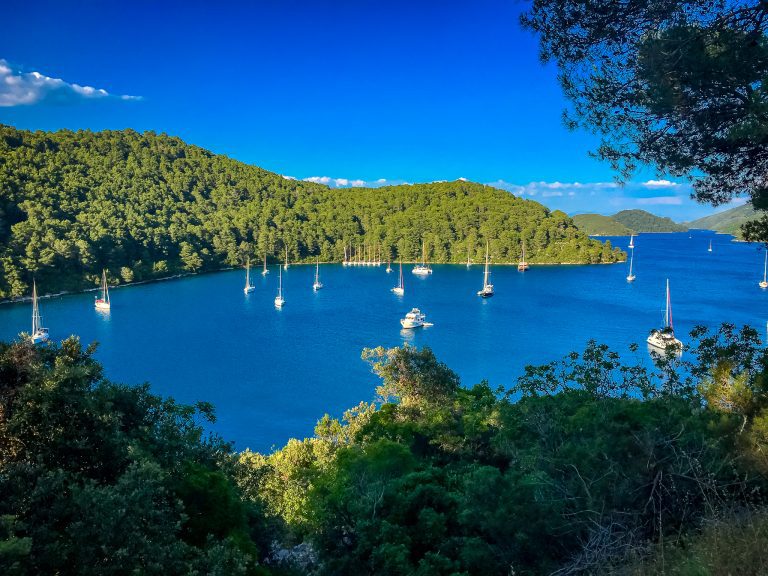
Mljet National Park is worth the ferry effort if you want lakes, forest, cycling and a calmer island day than Dubrovnik can give you.
It is not the easiest Croatia national park to visit on impulse. The park is on Mljet island, transport depends on boat schedules, and the best version of the day starts with knowing whether you are arriving in Pomena, Polače or somewhere less convenient.
This Mljet National Park guide covers tickets, the lakes, St Mary islet, where to enter, how long you need, and when a Dubrovnik day tour is better than trying to coordinate the island yourself.
Quick Answer: Is Mljet National Park Worth Visiting?
Yes, Mljet National Park is worth visiting if you want a nature-first island day with saltwater lakes, shaded paths, swimming, cycling and a boat ride to St Mary islet.
It is less worth it if you only want beaches, nightlife or a simple half-day trip from Dubrovnik. Mljet rewards slower planning. The island looks close on a map, but ferry timing decides whether the visit feels easy or annoying.
| Choose Mljet if you want | Skip Mljet if you want |
| Forest, lakes and swimming | A fast old-town sightseeing day |
| Cycling or kayaking | Nightlife or beach clubs |
| A quieter island after Dubrovnik | A zero-planning day trip |
| A nature-heavy Croatia route | Guaranteed transport flexibility |
For the wider island context, start with the Mljet Croatia travel guide before deciding whether the national park is a day trip or an overnight stop.
What Is Included in a Mljet National Park Ticket?
The standard Mljet National Park ticket includes more than just entry.
According to the official 2026 price list, entrance fees include one return trip by solar boat to St Mary island in the Great Lake, access to inland park sites, marked walking trails around the Great and Small Lake, parking at Vrbovica for eligible visitors, insurance and electric train transport according to the timetable.
| 2026 visitor category | Jan-May | Jun-Sep | Oct-Dec |
| Adult ticket | €20 | €30 | €20 |
| Child 8-18 | €5 | €8 | €5 |
| Student | €8 | €20 | €8 |
| Children under 7 | Free | Free | Free |
| Additional return boat to St Mary islet | €5 | €5 | €5 |
Visits after 4pm get a 25 percent reduction for one-day adult, child and student tickets bought in the park. That sounds useful, but do not build your whole plan around it unless your ferry and lake-boat timing actually work.
The important practical point: the first included boat ride to St Mary islet is part of the value. If you skip it, you are paying national-park prices for a much thinner visit.
What To See in Mljet National Park
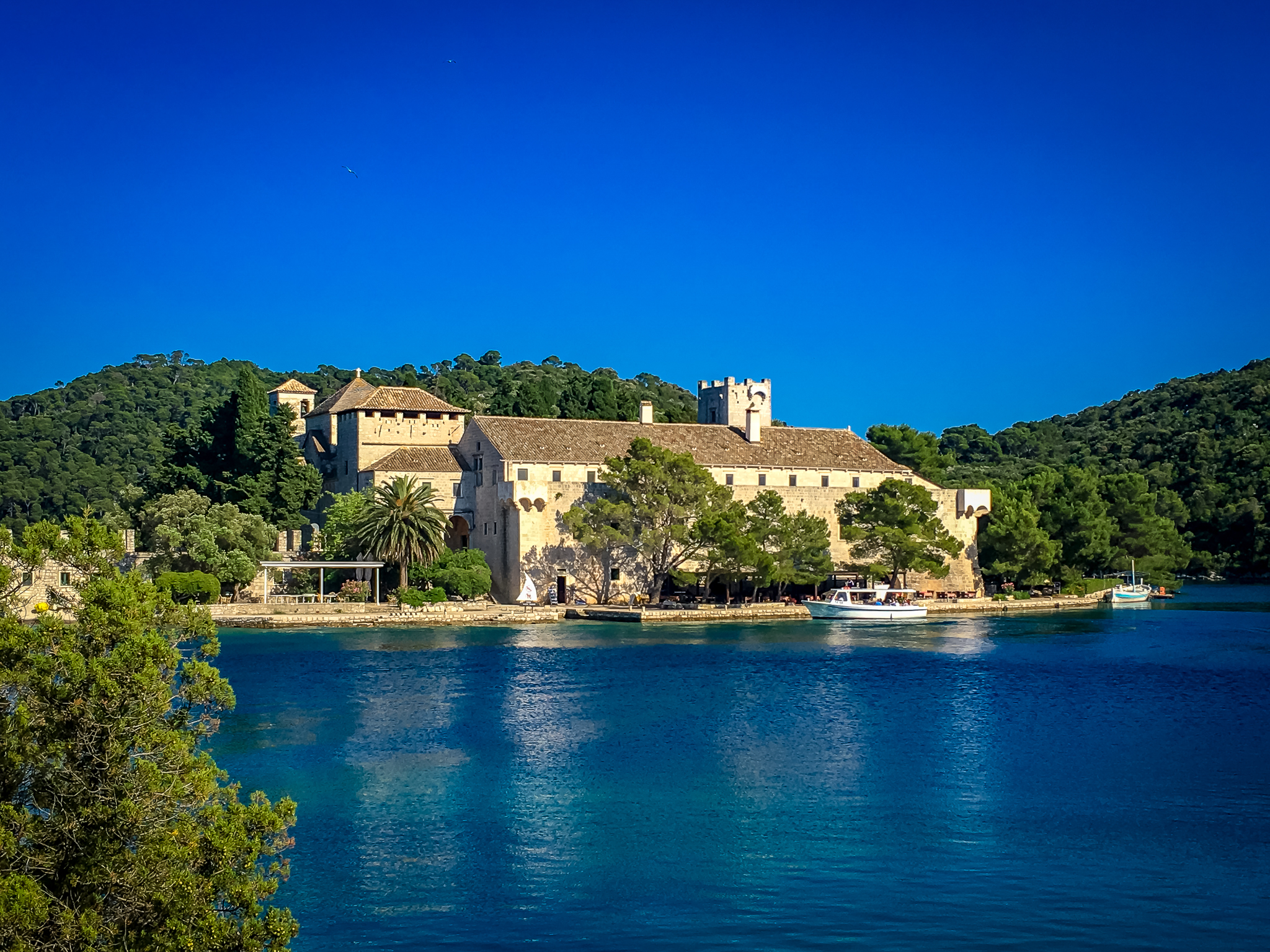
The main sights in Mljet National Park are Veliko Jezero, Malo Jezero and St Mary islet.
The official park describes Veliko Jezero and Malo Jezero as deep seawater-filled bays known as the Great Lake and Small Lake. They are the reason the park feels different from a normal island beach stop.
| Place | What it is | Best for |
| Veliko Jezero | Great Lake | Boat ride, swimming, St Mary islet |
| Malo Jezero | Small Lake | Warmer swimming, shorter walks |
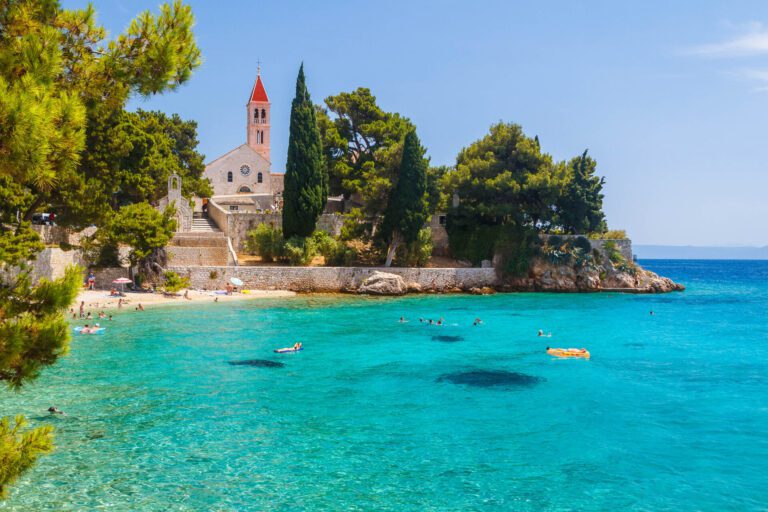
| St Mary islet | Small island with monastery heritage | Classic park stop |
| Montokuc viewpoint | Marked lookout trail | Views over the lake area |
| Mljet hiking trail | 43 km island route | Multi-day hikers |
| Pomena and Polače | Coastal access villages | Arrivals, food, accommodation |
Most first-time visitors should focus on the lake area instead of trying to see the whole island. Mljet is longer and slower than people expect.
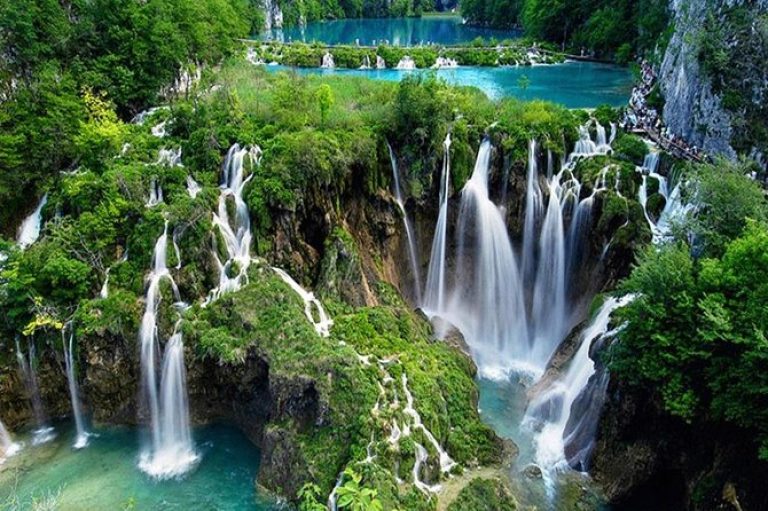
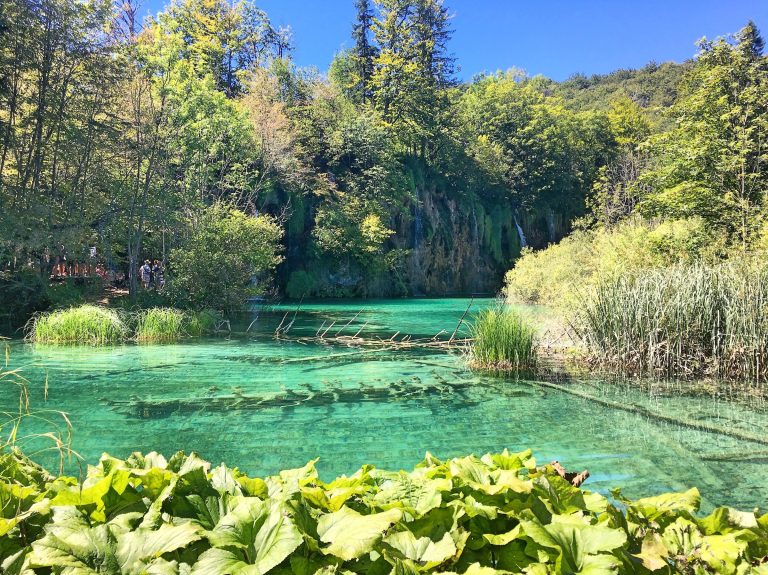
If you are comparing national parks, Mljet is not the same kind of day as Plitvice Lakes National Park. Plitvice is waterfalls and boardwalks. Mljet is quieter, saltwater, island-based and much more dependent on transport planning.
The Best Way To Spend One Day in Mljet National Park

The best one-day Mljet plan is simple: arrive near the park, walk or cycle around the lakes, take the boat to St Mary islet, swim if the weather allows, then leave enough time for your return boat.
Do not overpack it.
| Time | Plan |
| Morning | Arrive in Pomena or Polače, buy/check ticket, start lake route |
| Late morning | Walk or cycle part of the lake area |
| Midday | Boat to St Mary islet |
| Afternoon | Swim, kayak, continue walking or return toward your port |
| Late afternoon | Leave buffer time for ferry, transfer or tour pickup |
Cycling works well around the lakes if you are comfortable on a bike. Kayaking is better if you want the lake to be the main experience, not just something you look at from the path.
The catch: rental availability, boat schedules and ferry return times can shape the day more than your mood. Check those first, then decide how ambitious to be.
Hiking on Mljet: The 4-Stage Island Route
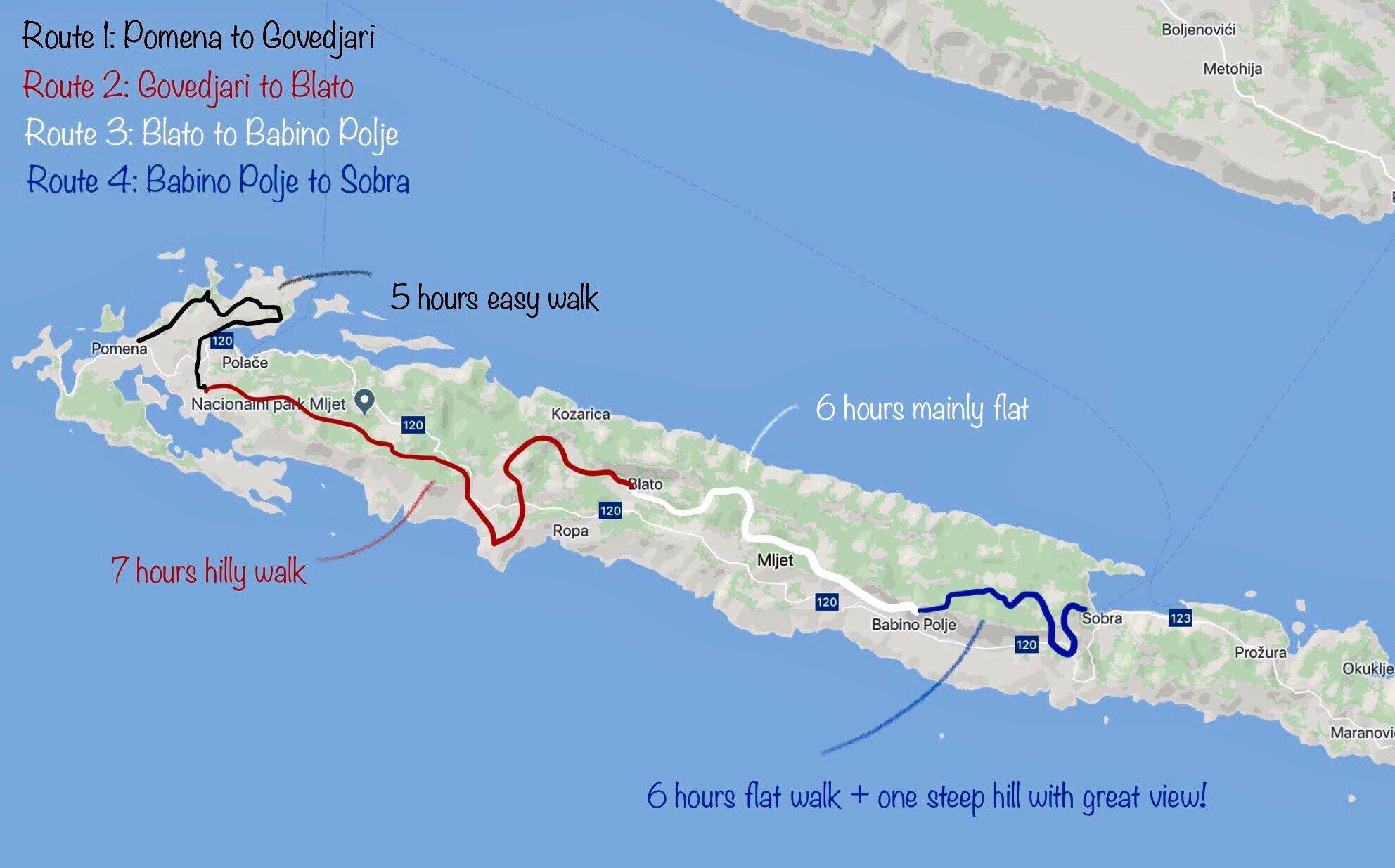
Mljet is better for hikers than most day-trippers realize.
The island has a 43 km Mljet hiking trail, known as MPO, which the Mljet Tourist Board says can be done in 3 to 4 days and takes about 23 hours of walking in total. The full route has 20 control points, so it is not just "wander around the lake and see what happens."
| Stage | Route | Listed walking time |
| 1 | Pomena to Goveđari | 5 hours |
| 2 | Goveđari to Blato | 7 hours |
| 3 | Blato to Rogovići to Babino Polje | 6 hours |
| 4 | Babino Polje to Veliki Grad to Sobra | 6 hours |
Mljet is not only a national park day trip. If you like hiking, you can spend a week on the island and use the park as the start, not the whole plan.
A good one-week hiking stay could look like this:
| Day | Plan |
| 1 | Arrive in Pomena or Polače, lakes and St Mary islet |
| 2 | Walk or bike the lake area, add Montokuc if weather is good |
| 3 | MPO stage 1: Pomena to Goveđari |
| 4 | MPO stage 2: Goveđari to Blato |
| 5 | MPO stage 3: Blato to Rogovići to Babino Polje |
| 6 | MPO stage 4: Babino Polje to Veliki Grad to Sobra |
| 7 | Slow recovery day, swim, Odysseus Cave only if conditions work |
Do not do the full route casually in July heat unless you are used to long walking days. Bring a real map or GPS, water, sun protection and offline route info. Some parts of Mljet feel remote quickly, and mobile signal is not something to build your safety plan around.
Pomena or Polače: Which Entrance Is Better?
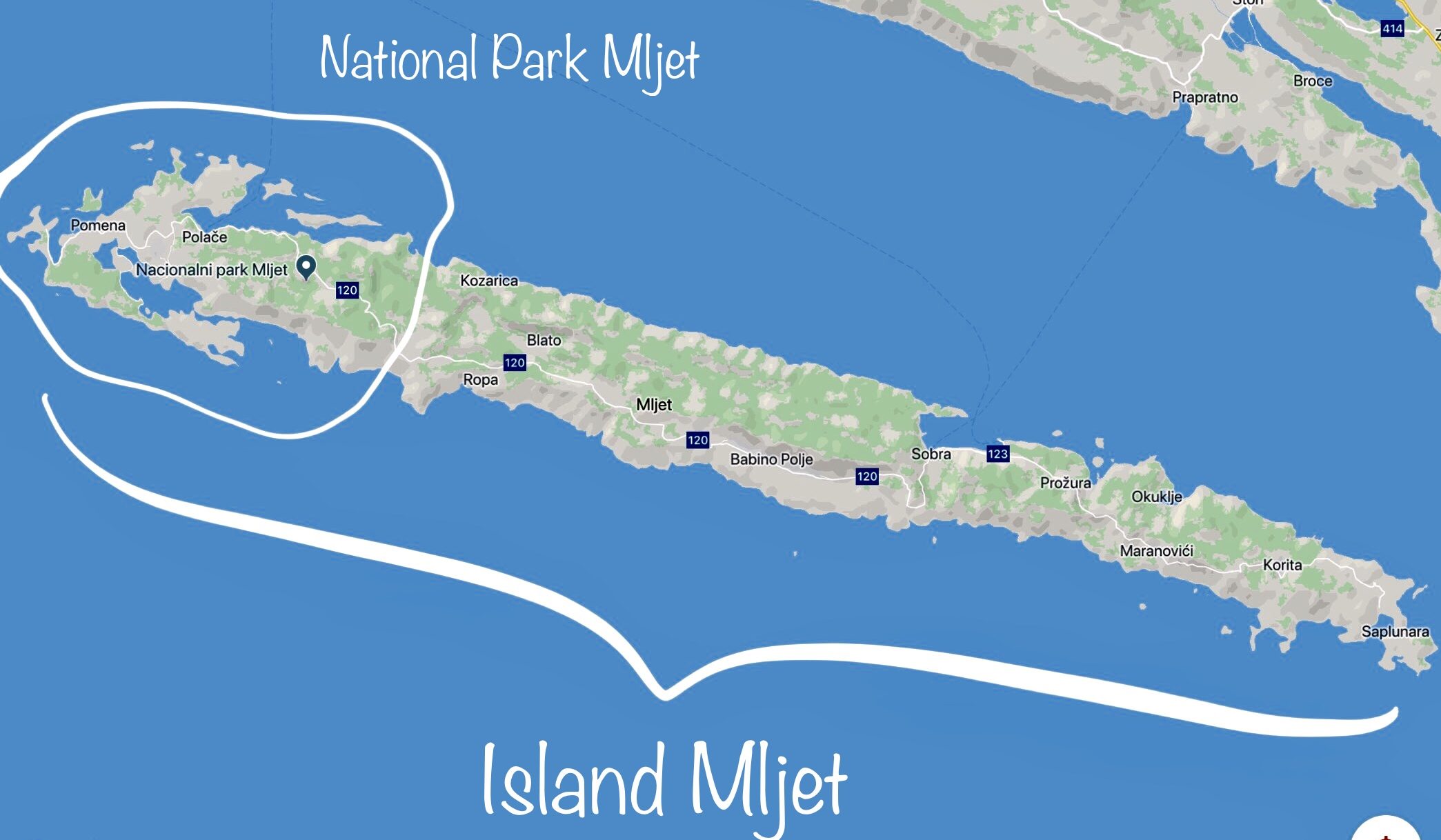
Pomena and Polače are the easiest practical bases for Mljet National Park.
Pomena is close to the lake area and often works well for visitors focused only on the park. Polače has a wider bay setting and Roman remains, and it can also be a useful arrival point depending on the boat line.
| Base | Best for | Caveat |
| Pomena | Fastest park access, short stays | Small and park-focused |
| Polače | Bay setting, restaurants, Roman remains | Slightly more transfer logic |
| Sobra | Car ferry and island access | Not ideal for park-only visitors without transport |
The official code of conduct names Crna Klada, Pomena and Polače as designated park entrances. For most travelers, the real decision is Pomena versus Polače, because those are the places that usually make the national park feel manageable.
If you are island hopping, read the Croatia island hopping guide before adding Mljet. Mljet is great when the ferry schedule fits. It is irritating when you force it into the wrong route.
Can You Visit Mljet From Dubrovnik?
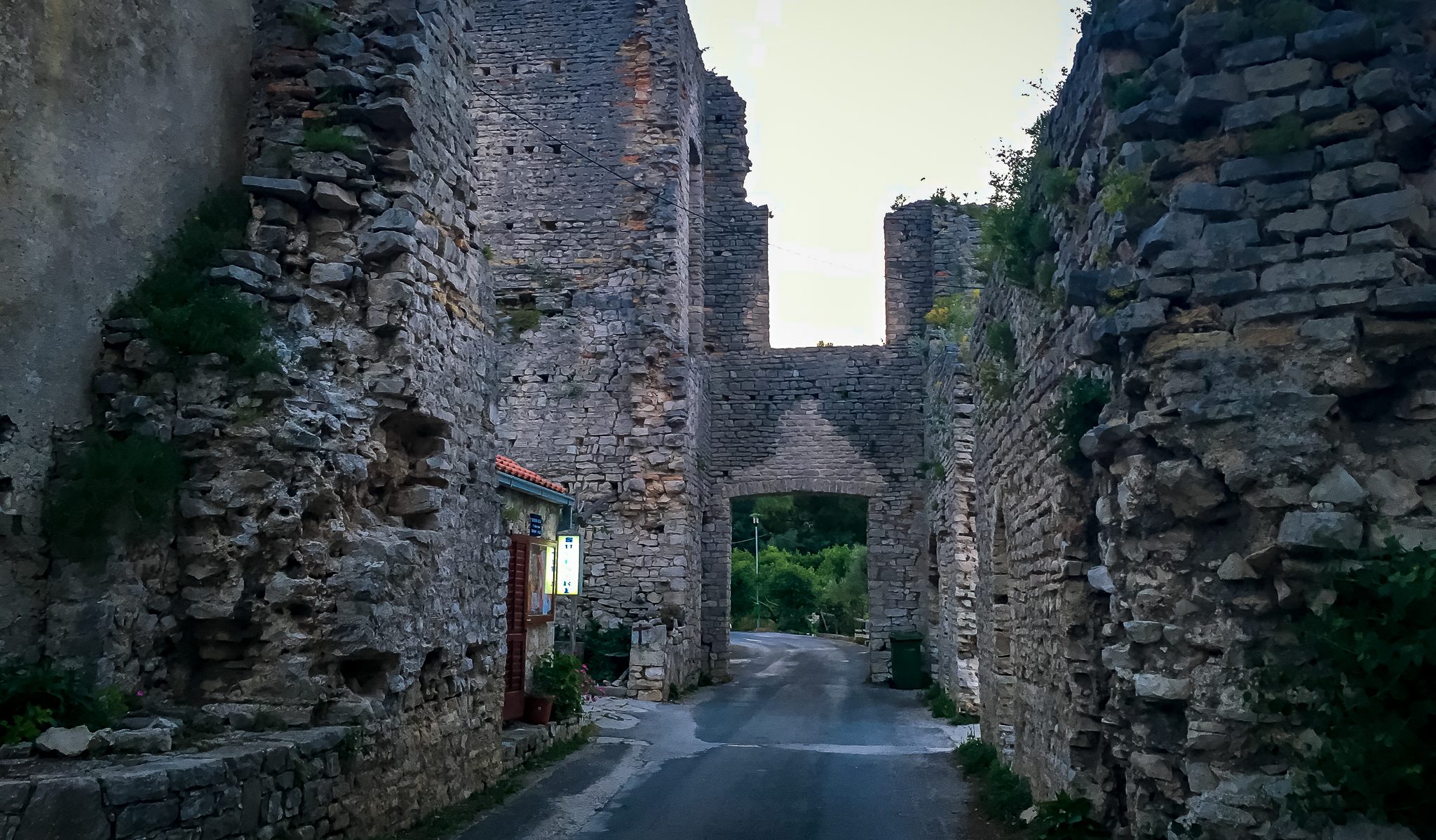
Yes, you can visit Mljet from Dubrovnik, but it is not always the relaxed day trip people imagine.
Independent travel works when passenger boats line up with your date, port and return plan. A tour works better if you want pickup, guide support and less schedule stress.
If you want a direct organized option, this Mljet Island guided catamaran day tour from Dubrovnik is the most straightforward fit because it focuses on Mljet National Park, the lakes and St Mary island.
If you want a more active boat day with Mljet plus extra stops, compare the Mljet National Park and Elaphiti Islands trip from Dubrovnik. That style suits travelers who care as much about swimming, snorkeling and the boat day as the park itself.
The honest recommendation: choose independent travel if you are staying overnight or already understand the ferry schedule. Choose a tour if you are squeezing Mljet into a Dubrovnik stay and do not want transport to be the whole personality of your day.
How Long Do You Need in Mljet National Park?
One full day is enough for the national park basics. Two nights on Mljet is better if you want the island to feel calm.
| Time available | What you can realistically do |
| Half day | Only works if you are already staying near Pomena or Polače |
| One day | Lakes, St Mary islet, swim or bike, basic park visit |
| Two nights | Park, slower meals, Odysseus Cave or more of the island |
| Three nights | Better for cycling, kayaking and quiet island time |
| One week | Full MPO hiking route, national park, inland villages and recovery days |
Do not treat Mljet as a quick add-on from Split. It can connect into southern Dalmatia routes, but it is not a casual detour for every itinerary.
If you are deciding between Mljet and other southern Dalmatia stops, the Dalmatia Dubrovnik destination guide will help you weigh Mljet against Dubrovnik, Lokrum, the Elafiti islands, Pelješac and Korčula.
What To Skip in Mljet National Park
Skip trying to see the entire island in one day.
The western national park area is the reason most people come, and it deserves most of your time. Adding Odysseus Cave, Saplunara, Sobra, several villages and the lake area into one day can turn a calm island into a transport puzzle.
Odysseus Cave is worth considering if you stay longer on the island and want a rougher swimming/cave experience. It is not the thing to add to a first Mljet National Park day unless you have transport and enough time.
For the cave-specific angle, use the best caves in Croatia guide before adding Odysseus Cave to the plan. It is a different type of visit from the lake area.
Mljet Fun Facts Most Guides Skip
The lakes are salty because they are connected to the sea, not because somebody "salted" them.
The official park geology page explains that the lake area was once a karst depression that probably held freshwater, then later filled with seawater through karst fissures and the narrow passage toward the open sea through the Soline Channel. The local monastery story adds the human layer: Benedictine monks are commonly linked with opening or widening the channel so boats could move more easily, which strengthened the lake's connection with the sea.
That is why the lakes feel odd if you arrive expecting normal freshwater lakes. They are lake-shaped, but they behave like sheltered seawater.
The animal that does not really belong on Mljet is the mongoose.
Mljet National Park lists the small Asian mongoose among introduced species on the island. Historical ecology sources explain the backstory: mongooses were brought to Mljet in the early 20th century to control venomous snakes, especially the horned viper. They did reduce the snake problem, but they also became an invasive animal in the island ecosystem.
So if you spot a quick brown animal crossing the road or disappearing into brush, it may be a mongoose. Cute travel moment, messy ecological decision.
Rules and Safety in Mljet National Park
Mljet National Park is protected, and the rules are stricter than some visitors expect.
The official code of conduct prohibits entering without a ticket, camping, fishing, open fires, damaging plants or cultural remains, disturbing animals, going through the woods at night and underwater activities in Veliko and Malo Jezero.
In practical terms: bring water, stay on marked paths, do not assume you can camp, do not dive in the lakes, and do not cut your return timing close.
Summer heat is real even though the park has shade. The lake paths are easier than many Croatian hikes, but you are still on an island with ferry schedules, sun and limited last-minute flexibility.
Best Time To Visit Mljet National Park
May, June, September and October are the best months for most visitors.
July and August are workable, especially if swimming is the point, but prices are higher and the island is busier. Spring and autumn are better for walking and cycling.
Winter and early spring can be very quiet. The park can be visited outside peak season, but transport, opening rhythm and services need checking before you commit.
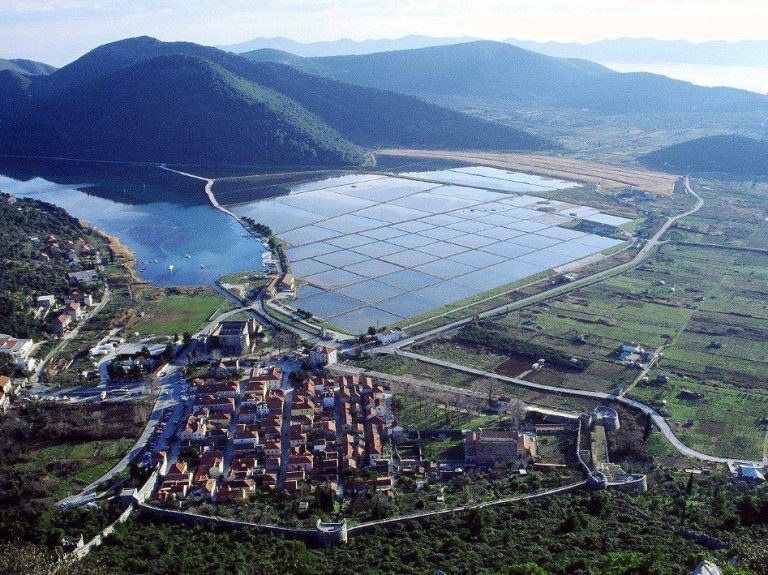
If Mljet is part of a broader southern route, it pairs naturally with Dubrovnik, Pelješac and Korčula. The Ston Croatia guide is useful if you are building a food-and-nature route through Pelješac before or after the island.
Frequently Asked Questions
Is Mljet National Park worth visiting?
Yes, Mljet National Park is worth visiting if you want saltwater lakes, forest paths, cycling, swimming and a calmer island day. It is less ideal if you want nightlife, beaches only or a very easy half-day trip.
How much is Mljet National Park?
In 2026, adult tickets cost €20 from January to May, €30 from June to September and €20 from October to December. Children aged 8 to 18 pay €5 outside summer and €8 in summer, while children under 7 enter free.
What does the Mljet National Park ticket include?
The ticket includes access to inland park sites, marked walking trails, one return solar-boat trip to St Mary island, visitor insurance and electric train transport according to the timetable.
Can you swim in Mljet National Park?
Yes, swimming is one of the main reasons people visit the lake area. Diving and underwater activities in Veliko and Malo Jezero are prohibited by the park rules.
Can you visit Mljet National Park from Dubrovnik in one day?
Yes, but check the boat schedule carefully. A day tour is often easier if you are staying in Dubrovnik and do not want ferry timing to dominate the plan.
Is Pomena or Polače better for Mljet National Park?
Pomena is usually the simplest base for fast park access. Polače is also useful, especially if your boat arrives there or you want a bay setting with restaurants and Roman remains.
Can you hike across Mljet?
Yes. Mljet has a 43 km hiking trail split into four daily stages: Pomena to Goveđari, Goveđari to Blato, Blato to Rogovići to Babino Polje, and Babino Polje to Veliki Grad to Sobra. The full route is better for a multi-day or week-long island stay than for a quick national park day trip.
Why are the Mljet lakes salty?
The lakes are salty because the lake system connects with the sea through karst fissures and the Soline Channel. Local tradition also links Benedictine monks with opening or widening the channel for boat movement, which helped shape the sea connection visitors see today.
What animal was introduced to Mljet?
The mongoose was introduced to Mljet to control venomous snakes. It is now considered an introduced species, so the story is more complicated than "they solved the snake problem."
If you are building Mljet into a longer island route, read the Croatia island hopping guide next and check whether the ferry schedule supports the route you actually want.
Where to stay on Mljet: search hotels on Booking.com.