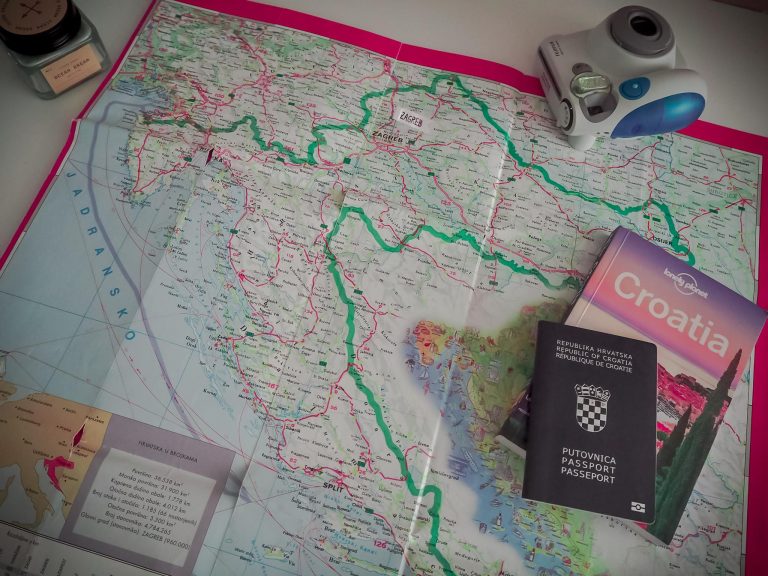
Your first Croatia trip gets easier when you stop trying to see the whole country. Ready to plan? Start with the 7-day Croatia itinerary and the guide to renting a car in Croatia.
Croatia looks small on a map, but the coast, islands, national parks, Istria, Zagreb and inland regions all pull your itinerary in different directions. The right trip is not "Dubrovnik, Split, Hvar, Plitvice, Istria and Zagreb in six days." That is a transport schedule with meals squeezed in.
This Croatia travel guide helps you choose where to go first, how many days you need, which regions fit together, and which common mistakes to avoid.
Quick Answer: Where Should You Go in Croatia First?
For a first Croatia trip, choose one main route and build around it.
Most first-time travelers should choose either a southern coast trip, a Split-and-islands trip, an Istria food trip, or a Zagreb-to-Plitvice route. Trying to combine all of them on one short holiday usually makes the trip worse.
| Trip type | Best route | Minimum time |
| Classic first trip | Dubrovnik, Split, one island, Plitvice | 7 to 10 days |
| Island-focused trip | Split, Hvar or Vis, Brač or Korčula | 7 days |
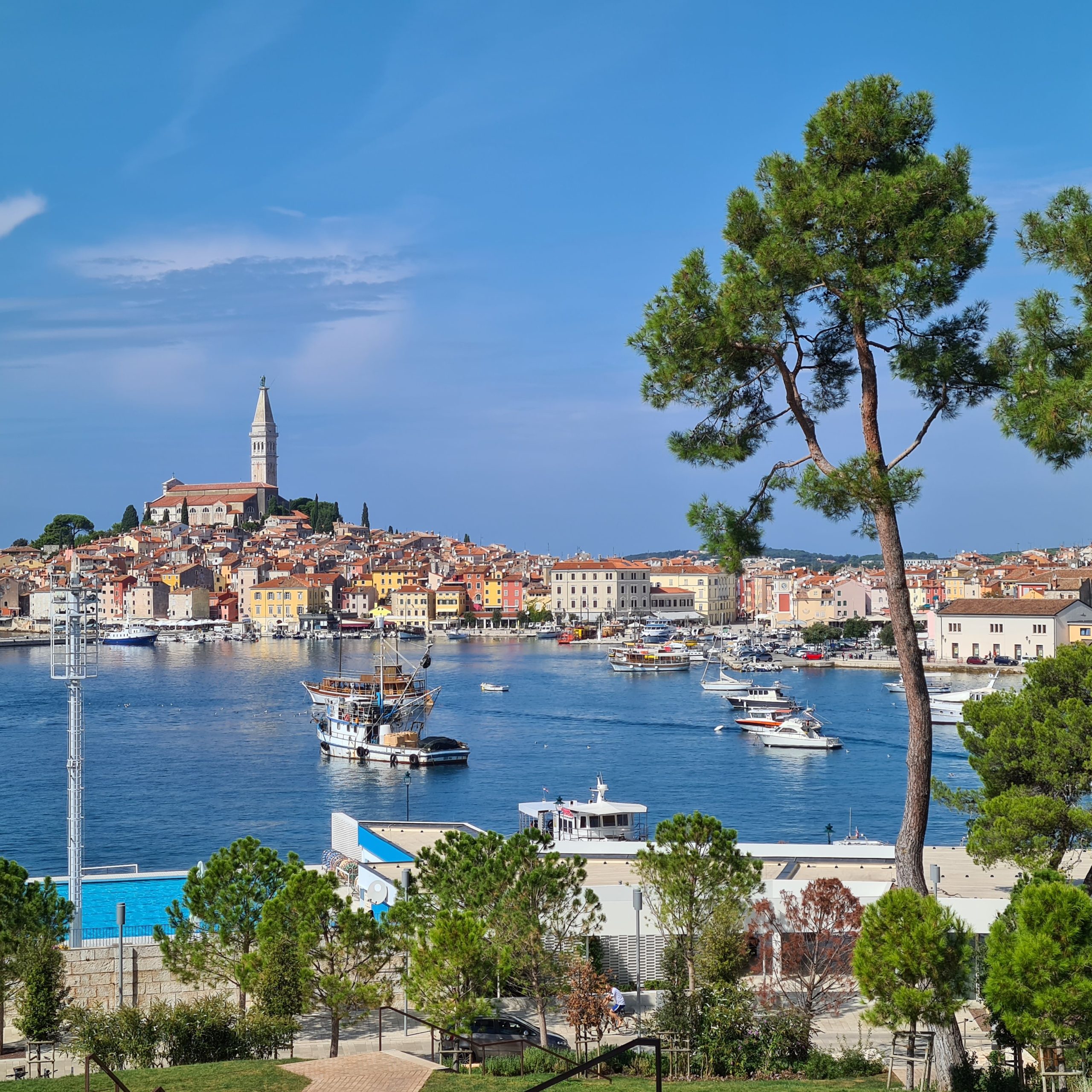
| Food and wine trip | Istria, Motovun, Rovinj, Poreč | 5 to 7 days |
| Nature trip | Zagreb, Plitvice, Lika, Mljet or Paklenica | 7 to 10 days |
| Slow south trip | Dubrovnik, Ston, Pelješac, Mljet | 6 to 9 days |
If you only have one week, pick two regions. If you have two weeks, you can connect the coast, islands and one inland or northern region without making every day feel like a transfer.
Croatia Basics You Actually Need
Croatia is in the European Union, uses the euro and is part of the Schengen Area.
That matters for practical planning. If you are visiting from outside the Schengen Area, your Croatia time counts toward the 90-days-in-180-days Schengen limit. ETIAS is expected to start in the last quarter of 2026 for visa-exempt travelers, with official transition rules, so check the official EU page before travel if your trip is late in the year.
| Detail | Practical meaning |
| Currency | Euro |
| Schengen | Croatia counts toward Schengen stay limits |
| Best broad season | May, June, September, early October |
| Peak crowd months | July and August |
| Easiest transport | Car for regions, ferries/catamarans for islands |
| Main planning trap | Too many islands and cities in too few days |
Do not plan Croatia only by distance on Google Maps. Ferries, border routes, island schedules, parking and summer traffic matter more than the map suggests.
Best Croatia Regions for a First Trip
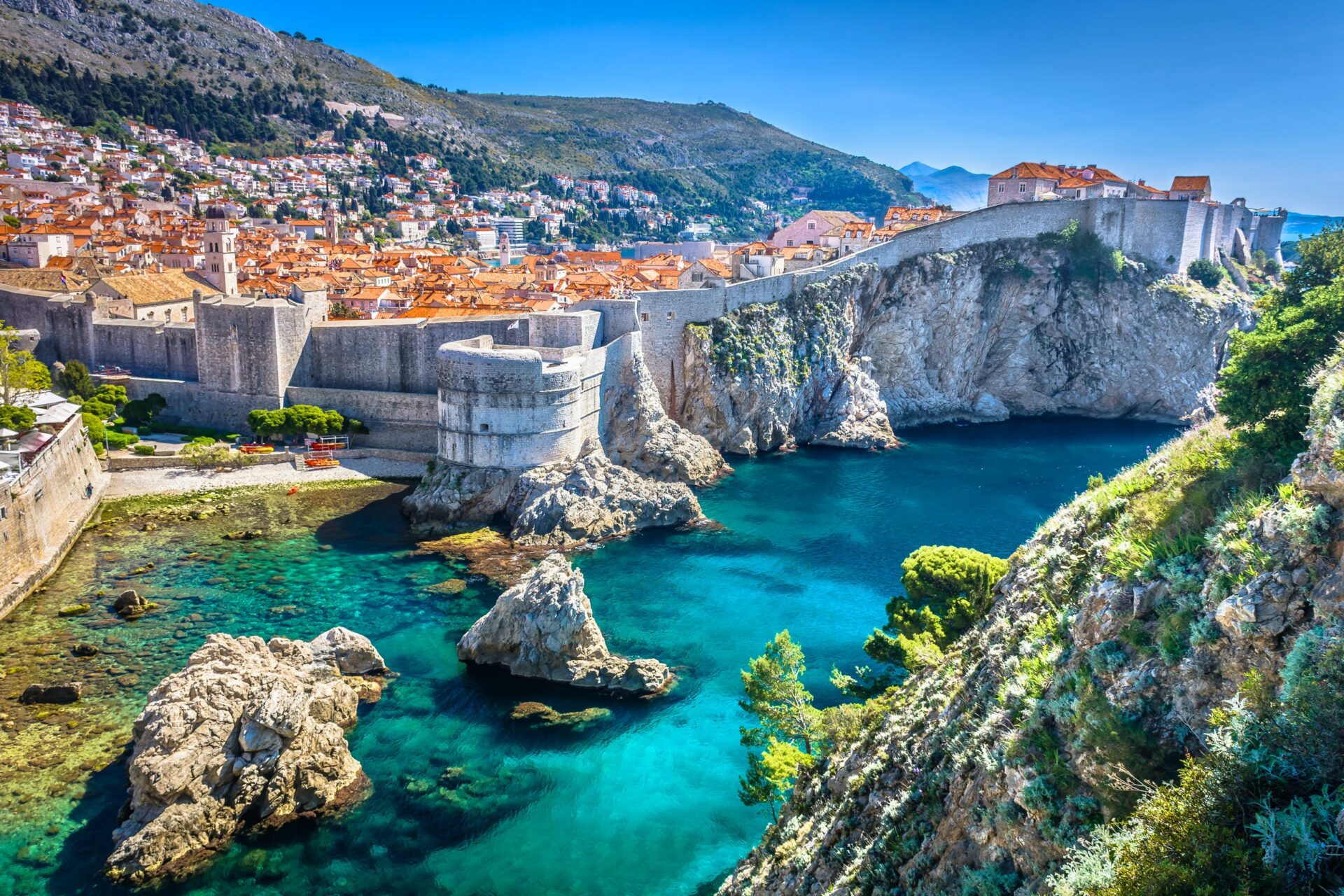
Croatia is easier to plan by region than by a random list of famous places.
Start with the region that matches the trip you actually want, then add nearby places. This is also how you avoid the classic mistake of spending half the holiday in buses, ferries and rental-car pickup queues.
| Region | Choose it for | Skip it if |
| Dubrovnik region | Dubrovnik, Lokrum, Ston, Pelješac, Mljet | You hate crowds and only have August dates |
| Split region | Split, Hvar, Brač, Vis, Trogir | You want a quiet inland food trip |
| Zadar and Šibenik | Islands, Krka, Kornati, calmer city bases | You only want the famous postcard route |
| Istria | Food, truffles, hill towns, wine, road trips | You do not want to rent a car |
| Zagreb and inland Croatia | City break, Plitvice, culture, lower pressure | You want beaches every day |
| Slavonia | Food, wine, Osijek, slower inland Croatia | You are on a first short coastal trip |
For the site structure, the Dalmatia Dubrovnik guide, Istria travel guide and Mljet Croatia guide are the useful next steps depending on your route.
How Many Days Do You Need in Croatia?
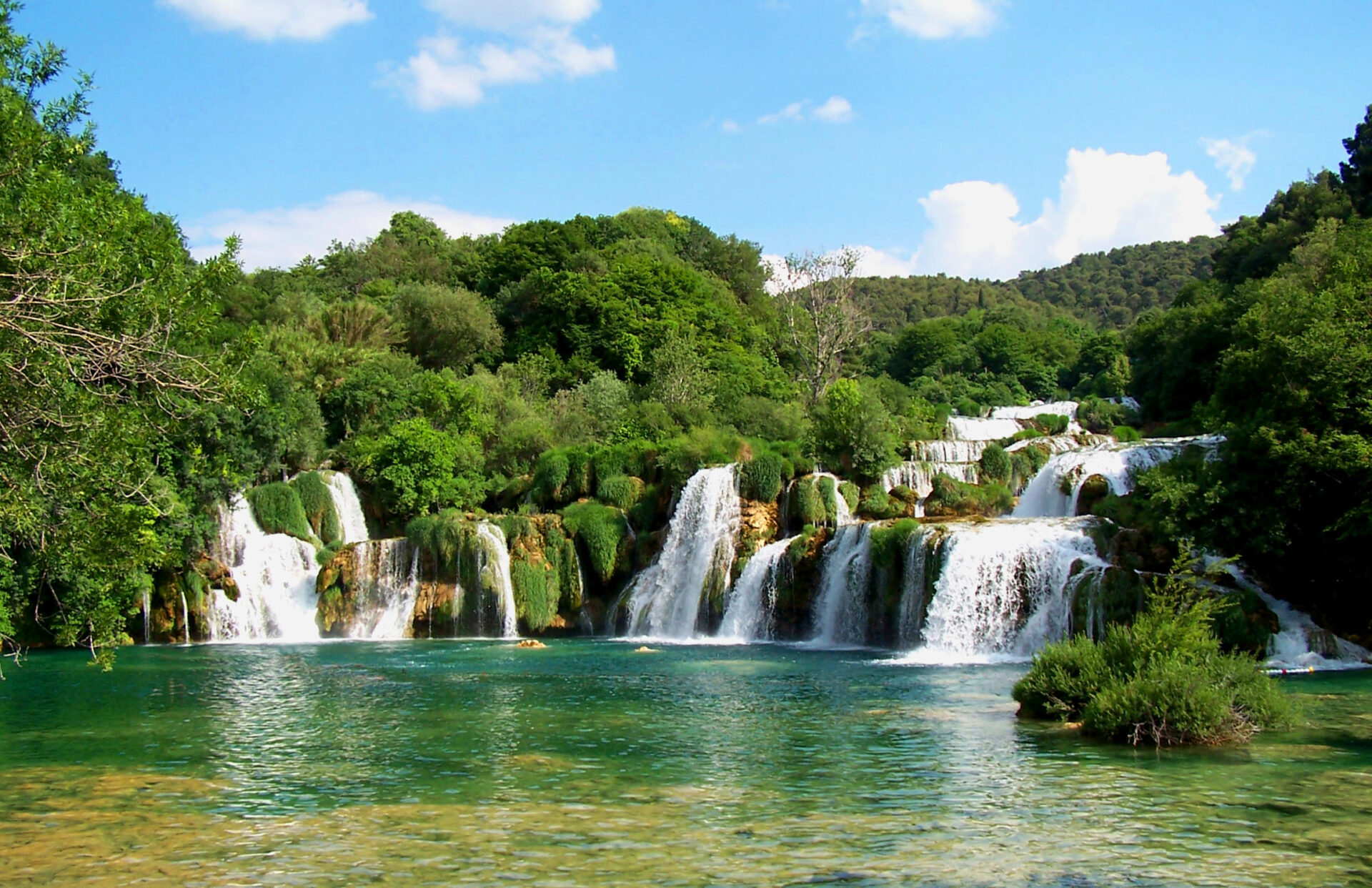
Seven days is enough for a good Croatia trip if you choose tightly.
Ten days is better. Two weeks is when Croatia starts to feel like a trip instead of an itinerary puzzle.
| Time | Best use |
| 3 to 4 days | One city or one region only |
| 5 to 7 days | Dubrovnik and Split, or Split plus one island |
| 8 to 10 days | Coast, one island and Plitvice |
| 11 to 14 days | Dubrovnik to Split, islands, Plitvice and Istria or Zagreb |
| 3 weeks | Add inland Croatia, Slavonia, slower islands or national parks |
Do not spend one night in five different places just because the route looks efficient. Croatia is better when you give at least one place a second morning.
Best Places To Visit in Croatia First
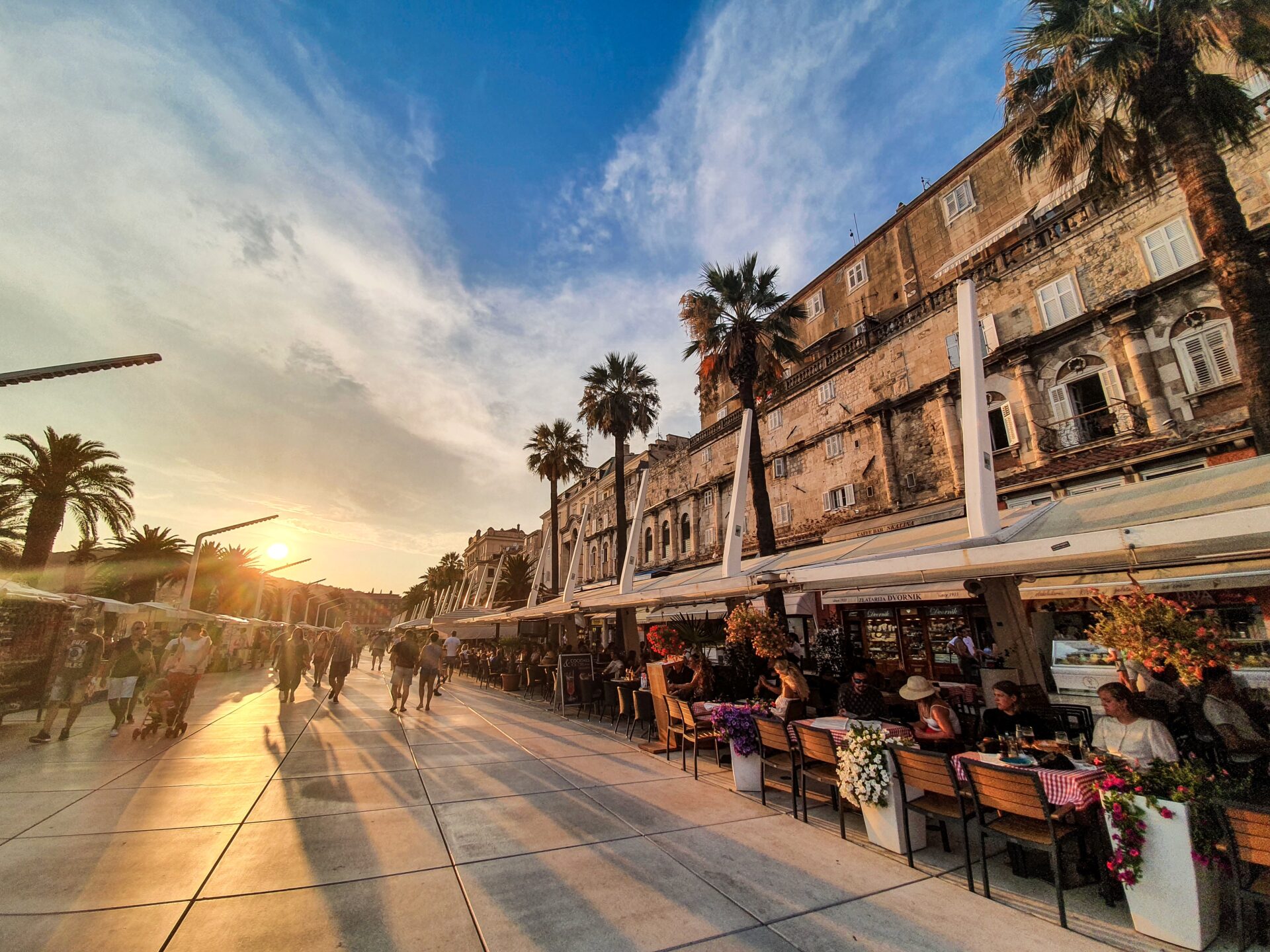
The best first-trip places in Croatia are Dubrovnik, Split, Plitvice Lakes, one island and one food or nature region.
That does not mean all of them belong in every itinerary.
| Place | Best for | Main caveat |
| Dubrovnik | Old town, walls, Lokrum, southern base | Crowds and prices |
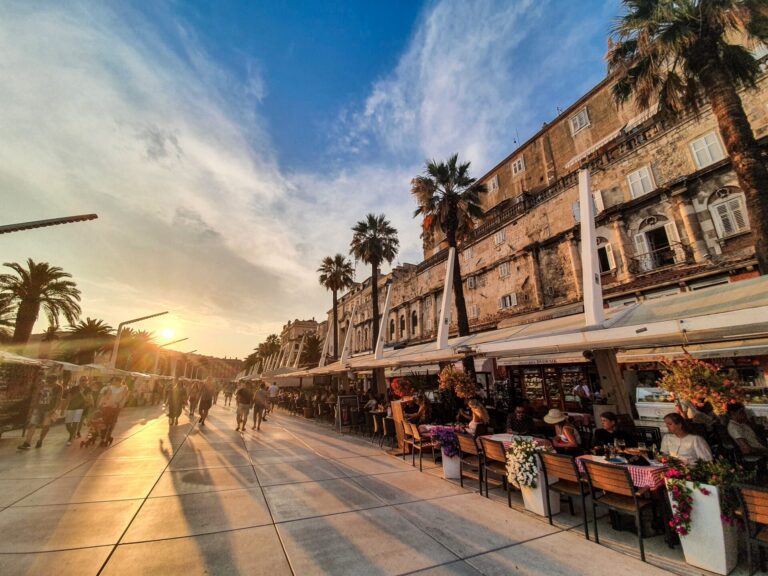
| Split | Diocletian's Palace, ferries, food, day trips | Busy in peak season |
| Plitvice Lakes | Waterfalls, national park day | Crowds and timed tickets |
| Hvar | Island energy, beaches, nightlife | Expensive and busy |
| Vis | Slower island, Komiža, Mamma Mia traffic | Ferry planning |
| Istria | Truffles, wine, hill towns | Better with a car |
| Mljet | Lakes, forest, hiking, quieter island | Ferry timing |
| Ston and Pelješac | Oysters, wine, saltworks, walls | Better as part of a route |
If Plitvice is on your route from Zagreb, this Rastoke and Plitvice guided day tour from Zagreb is a practical option because it solves transport and includes the park ticket. If you are already driving, use the Plitvice Lakes National Park guide first and check official entry timing.
Dubrovnik, Split or Zagreb: Where Should You Start?
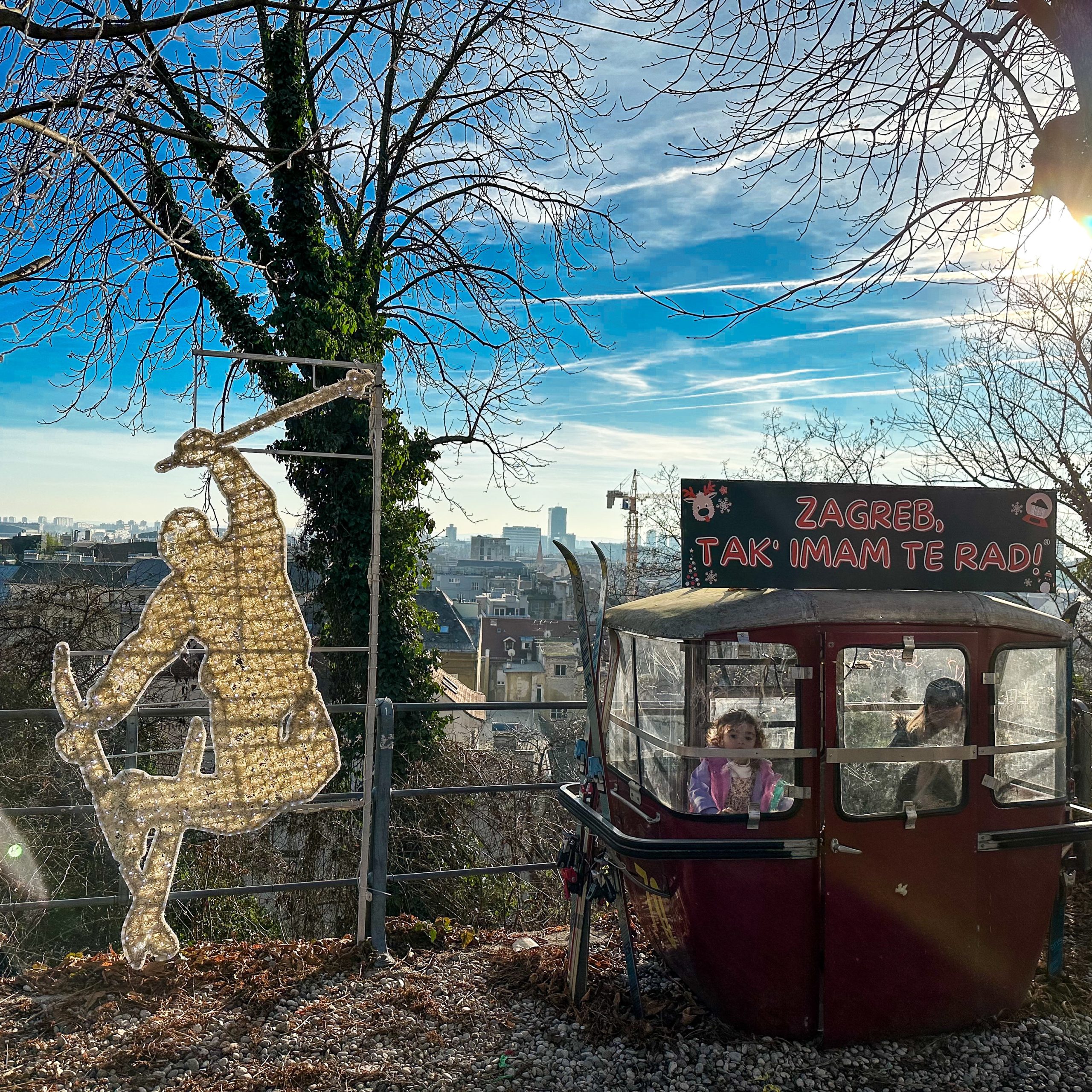
Start in the city that matches your route, not the city with the most famous name.
Dubrovnik is best for southern Dalmatia, Pelješac, Ston, Mljet and island routes toward Korčula. Split is best for island hopping, Hvar, Brač, Vis, Trogir and central Dalmatia. Zagreb is best for Plitvice, inland Croatia, easier airport pricing and a less coastal first day.
| Start city | Best if your trip focuses on | Useful next guide |
| Dubrovnik | Dubrovnik, Ston, Pelješac, Mljet, Korčula | Ston Croatia guide |
| Split | Hvar, Vis, Brač, Trogir, central Dalmatia | Island hopping in Croatia |
| Zagreb | Plitvice, inland Croatia, city break | Croatian flag meaning guide |
| Pula/Rovinj | Istria food and road trip | Truffle hunting in Istria |
| Zadar | Northern Dalmatia, islands, Krka/Kornati | Zadar region guide |
If you are in Split and want a first-day food-and-city orientation, this Split historical and gastro treasures tour with green market is a good match. It is more useful than another generic old-town loop because it connects market food with the city.
Best Time To Visit Croatia
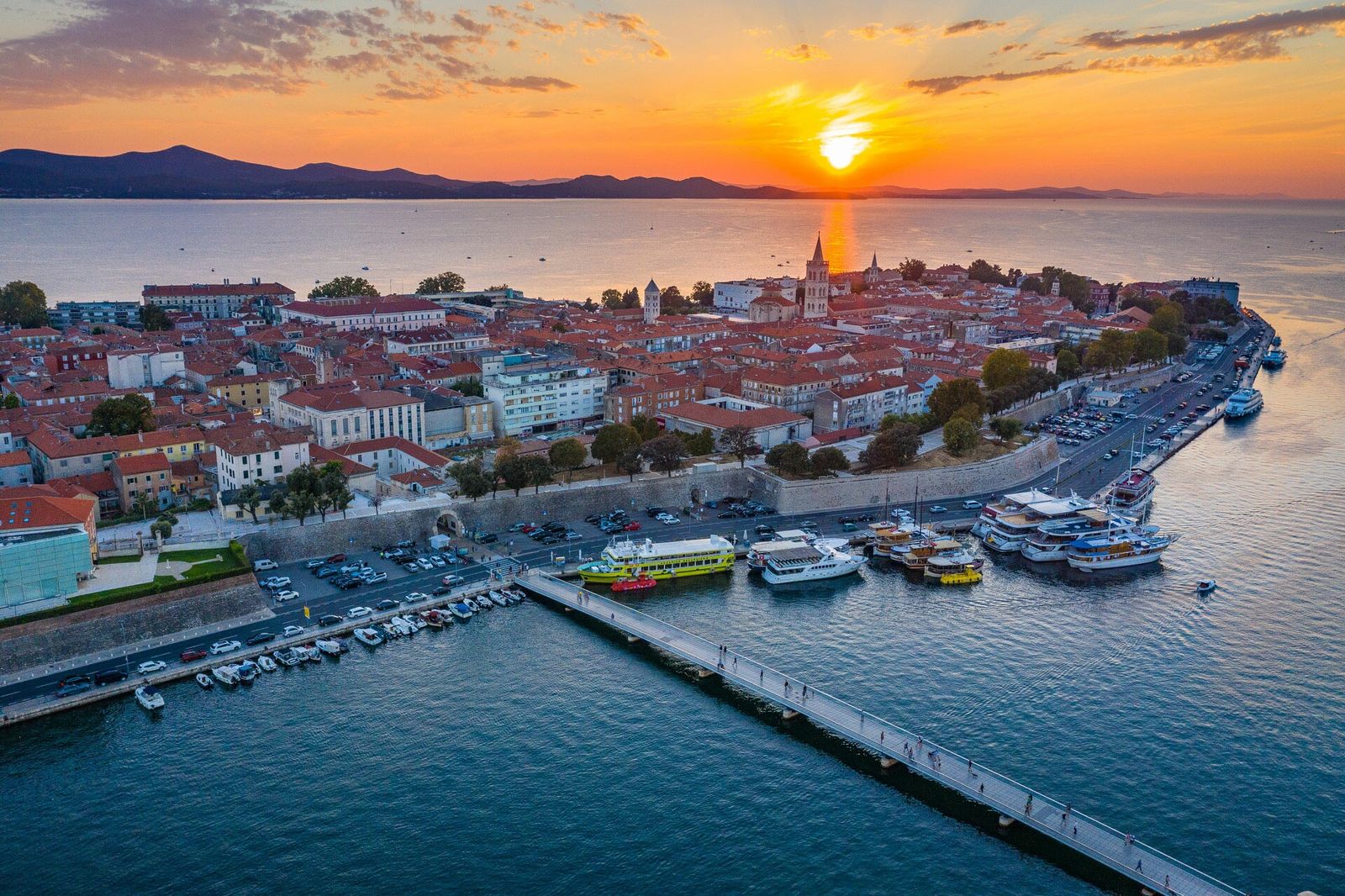
May, June, September and early October are the best months for most Croatia trips.
July and August are not bad months; they are just crowded, hot and expensive. If you need school-holiday dates, plan around early starts, fewer transfers and accommodation with realistic parking or ferry access.
| Month | What to expect |
| April | Quieter cities, cooler weather, limited swimming |
| May | Good for cities, hiking, Istria, Plitvice |
| June | Warm, swimmable, busy but manageable |
| July-August | Peak heat, peak prices, peak crowds |
| September | Best all-round month for coast and islands |
| October | Good for cities, food, Plitvice, Istria; weather less predictable |
If swimming matters, choose June to September. If walking, food and lower pressure matter more, May, September and October are stronger.
Croatia Transport: Car, Ferry or Tour?
Transport is the thing that decides whether your Croatia itinerary works.
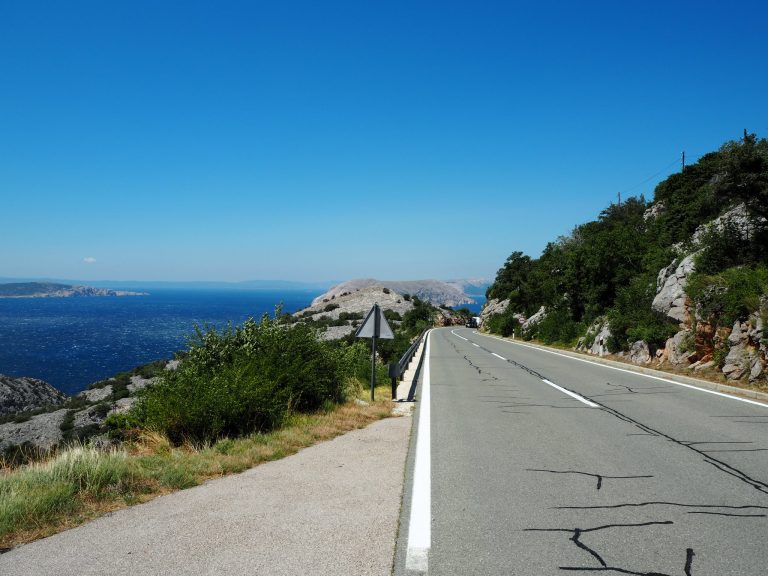
Use ferries for islands, a car for Istria and rural regions, and tours for days where logistics are the whole problem. Do not rent a car just to park it uselessly in Dubrovnik old town.
| Transport choice | Best for | Watch out for |
| Rental car | Istria, Pelješac, Plitvice, inland Croatia | Parking, island ferry costs |
| Ferries/catamarans | Hvar, Vis, Brač, Korčula, Mljet | Seasonal schedules |
| Buses | City-to-city coast routes | Less flexible for villages |
| Organized tours | Plitvice, island boat days, food/wine days | Tour quality and exact inclusions |
| Walking | Dubrovnik, Split, Zagreb old towns | Heat and stairs |
For Dubrovnik, a focused walking tour can still be worth it if you want context around the walls and old town. This Dubrovnik city walls, Stradun and old town story walking tour is a cleaner fit than a broad "see everything" product.
What To Eat and Drink in Croatia
Eat regionally in Croatia.
That means oysters around Ston, truffles in Istria, seafood and peka in Dalmatia, štrukli in Zagreb/northern Croatia, kulen and paprika-led dishes in Slavonia, and local wine wherever the region makes sense.
The Croatian food and drinks guide goes deeper, but the first-trip rule is simple: ask what belongs to the place you are in. A truffle pasta in inland Istria makes sense. A generic truffle pasta on a random coastal tourist menu deserves suspicion.
If food is a priority, build a whole day around Istria, Ston/Pelješac or Split's market rather than treating food as whatever appears between sightseeing stops.
Common First-Trip Mistakes
The biggest Croatia mistake is trying to collect places instead of building a route.
Croatia rewards slower choices. A good first trip with Dubrovnik, Split, one island and one national park is better than a frantic trip with six places you barely remember.
| Mistake | Better choice |
| Adding too many islands | Choose one or two and check ferry times first |
| Treating Plitvice as a casual stop | Plan tickets, route and timing |
| Renting a car in Dubrovnik old town | Rent only when leaving the city |
| Booking Hvar in August without budget room | Consider Vis, Korčula, Brač or shoulder season |
| Ignoring inland Croatia | Add Zagreb, Istria, Lika or Slavonia if your trip allows |
| Trusting every "local" menu item | Eat regional dishes in the right region |
Do not design the trip around every photo you saved. Design it around the mornings you actually want to have.
Frequently Asked Questions
What is the best first trip to Croatia?
The best first Croatia trip is usually Dubrovnik, Split, one island and Plitvice Lakes over 7 to 10 days. If you prefer food and road trips, choose Istria instead of forcing the classic coast route.
How many days do you need in Croatia?
You need at least 7 days for a satisfying first trip, but 10 to 14 days is better. With 3 to 4 days, choose one city or one region instead of crossing the country.
Is Croatia expensive?
Croatia can be expensive in Dubrovnik, Hvar and peak summer coastal areas. It is usually more manageable in Zagreb, Zadar, Šibenik, inland regions and shoulder season.
What is the best month to visit Croatia?
September is the best all-round month for Croatia because the sea is still warm, crowds are lower than August and ferries are usually still useful. May and June are also strong choices.
Should you rent a car in Croatia?
Rent a car if you are visiting Istria, Plitvice, Pelješac, rural regions or multiple inland stops. Do not rent one just for Dubrovnik, Split old town or a ferry-heavy island route. When a car does make sense, comparing rates on Discover Cars is the quickest way to see local and international agencies side by side.
Do you need ETIAS for Croatia?
ETIAS is expected to start in the last quarter of 2026 for visa-exempt travelers entering countries such as Croatia. Check the official EU ETIAS website before travel, especially for late-2026 trips.
If you are still choosing the route, start with the Croatia island hopping guide or the Plitvice Lakes National Park guide next. Those two decisions shape many first Croatia itineraries.
Where to stay in Croatia: search hotels on Booking.com.