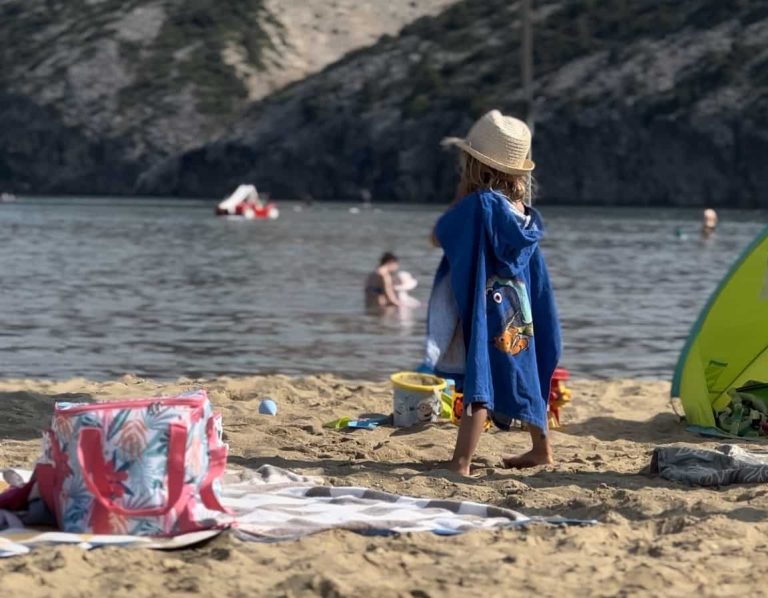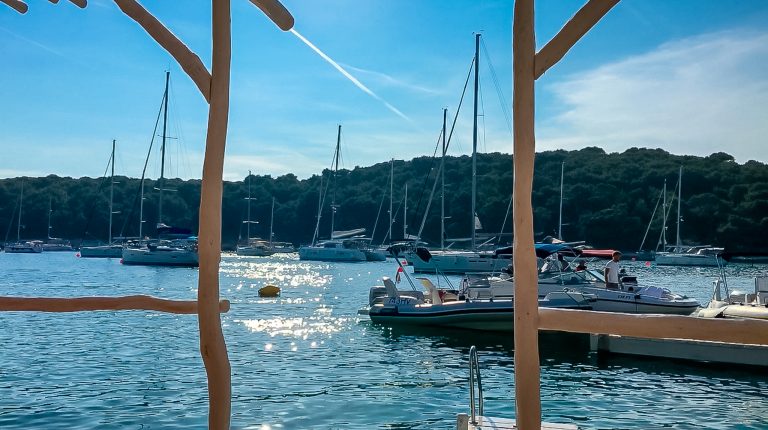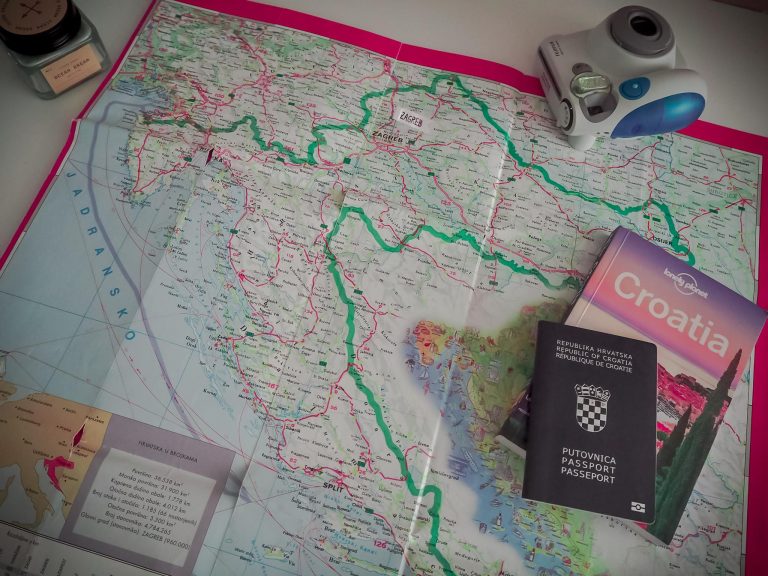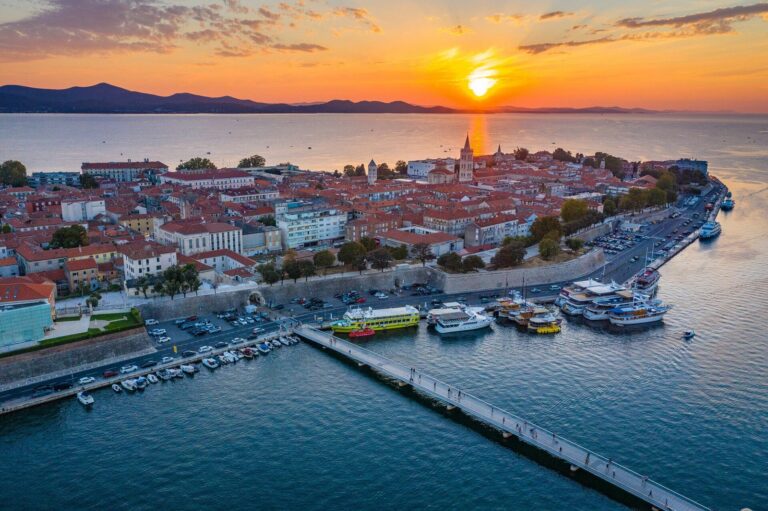
How much does a trip to Croatia cost? A budget traveller can do it on about €50–65 a day in 2026. A mid-range trip runs €110–150 a day. That covers a private room, restaurant dinners and a few paid sights. Go luxury and you’ll clear €250 without trying hard. Dubrovnik especially.
So how much does a trip to Croatia cost overall? For a week, plan on roughly €350–450 backpacking. Mid-range runs €800–1,050. The high end starts at €1,750+. All figures are per person and exclude flights.
The number that actually matters is *where* and *when* you go. Dubrovnik in August and Zadar in May are different countries price-wise. This guide breaks down real 2026 euro prices for food, beds, ferries, cars and tickets. Build a number that fits your trip instead of a vague “Croatia is kind of pricey now.”
Is Croatia Expensive?
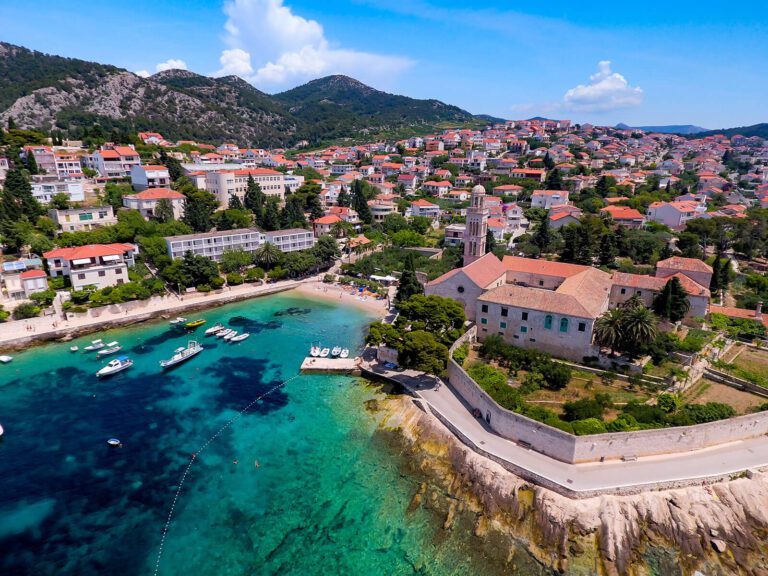
Yes and no. The honest answer is “more than it used to be.” Croatia adopted the euro in January 2023. Prices rounded up during the switch. Coastal tourism inflation has not slowed since.
It is no longer the cheap Balkan bargain it was a decade ago. In 2026 it sits roughly level with Greece and a notch below Italy. You get Mediterranean coastline at slightly-below-Western-Europe prices, not budget-Balkan prices.
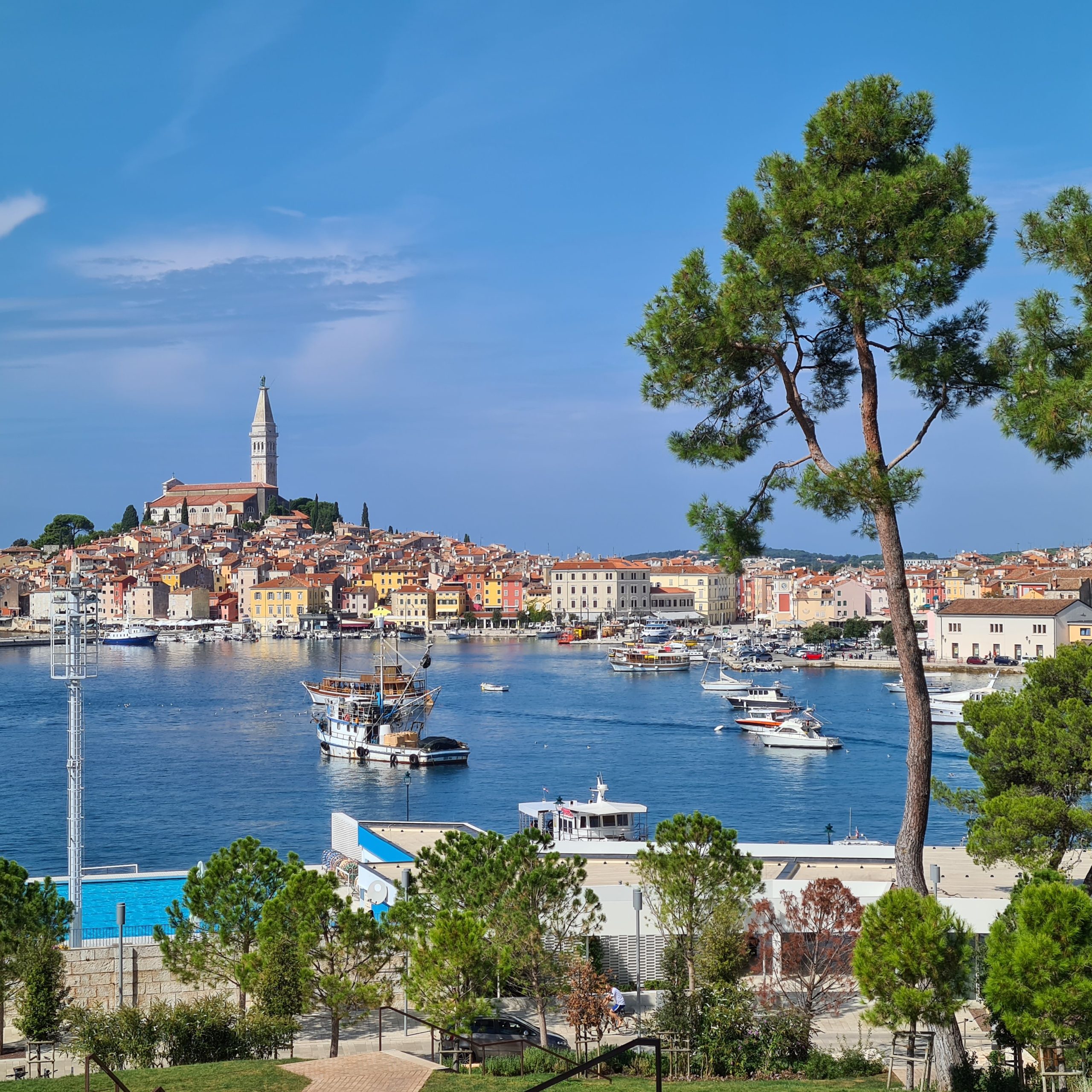
The expensive parts are concentrated and predictable: Dubrovnik, Hvar town, the peak of July and August, and anything on the water in a tourist hotspot. Step inland, off-season or one island over. The price drops fast.
How Much Does a Trip to Croatia Cost by Traveller Type?
Here’s what a day actually costs depending on how you travel. These are per-person figures in shoulder season. Add 25–40% for July and August.
| Traveller type | Accommodation | Food | Transport & sights | Daily total |
|---|---|---|---|---|
| Backpacker | €20–35 (hostel dorm) | €15–20 (markets, gablec lunch, one cheap dinner) | €10–15 | €50–65 |
| Mid-range | €60–100 (private room/apartment) | €35–50 (cafe + restaurant dinner) | €20–35 | €110–150 |
| Luxury | €180+ (4-star hotel) | €70–100 (waterfront dining, drinks) | €40+ | €250+ |
A backpacker eating a daily-menu lunch (gablec, €10–13) and self-catering breakfast keeps food near €15. The mid-range traveller is the realistic average for most visitors. That means a comfortable apartment, dinner out most nights, and a couple of paid attractions or a day tour over the week.
How Much Does Accommodation Cost in Croatia?
Beds are the biggest swing in your budget. The season-to-season jump is brutal on the coast.
A hostel dorm in Split runs €15–35 a night off-season, then €40+ in peak summer. A private room or self-catering apartment is the most common choice in Croatia. It averages around €100–105 a night. A 3-star hotel sits at €70–130.
Dubrovnik is the outlier. Expect to pay 30–50% more there than in Split or Zadar for the same standard. Old-town locations carry a premium on top of that. Book apartments on Booking.com a few months ahead for July and August. It genuinely saves money.
How Much Is Food and Drink in Croatia?
A meal at an inexpensive restaurant is around €10 per person. A three-course dinner for two at a mid-range place runs about €40–50. An upscale dinner for two starts at €90.
The cheapest way to eat well is the *gablec*, the daily lunch menu locals eat. A full plate is €10–13. A supermarket beer is €1.50–1.80. The same beer on a terrace is €4–6. That terrace markup is where coastal budgets quietly bleed out.
City matters more than you’d think. Here’s the same order across three Dalmatian hubs:
| Item | Dubrovnik | Split | Zadar |
|---|---|---|---|
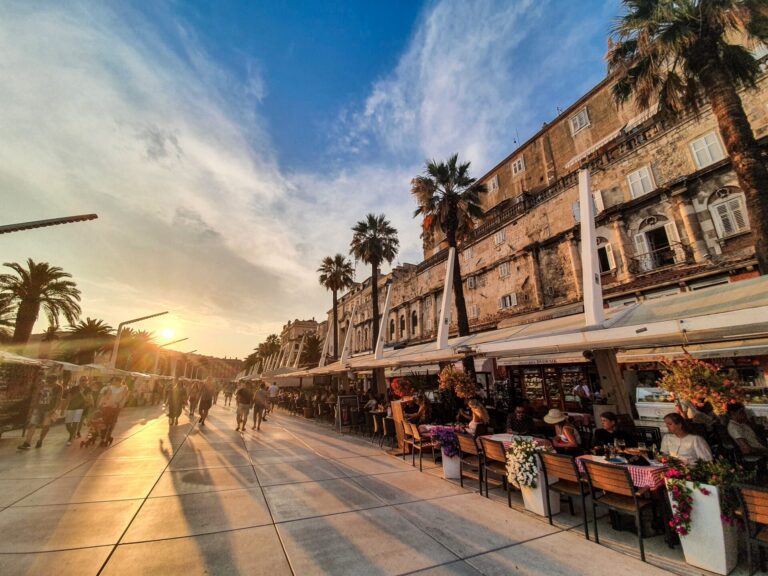
| Coffee | €6–9 (Stradun) | €2.50–3.50 | €2–3 |
| Casual main (pasta/salad) | €18–22 | €13–16 | €11–14 |
| Dinner for two, mid-range | €60–80 | €45–55 | €40–50 |
| Local beer (terrace, 0.5L) | €5–6 | €4–5 | €3.50–4.50 |
Zadar consistently undercuts Split. Both undercut Dubrovnik by a wide margin. Want to eat out every night without watching the bill? Base yourself in Zadar or Split, not Dubrovnik. For what to actually order, see the guide to Croatia’s must-try foods and drinks.
What Does Transport Cost?
Ferries
Island ferries are cheaper than people expect, as long as you’re a foot passenger. A Jadrolinija catamaran from Split to Hvar starts under €6 one way. Longer seasonal routes cost more. Dubrovnik to Hvar starts around €23.
Bringing a car onto an island is the expensive bit. The Split to Stari Grad (Hvar) car ferry is roughly €70 for a standard vehicle, with passenger tickets on top. For most island trips, foot-passenger plus local buses or scooter rental is far cheaper than ferrying a car back and forth. Planning to island-hop? The guide to the best islands for island hopping in Croatia maps out the routes.
Buses
Intercity buses are the backbone of Croatian travel and good value. A typical ticket runs €18–28 depending on distance and season. Think Split to Dubrovnik or Zagreb to Zadar.
Car rental and fuel
A rental car costs €25–50 a day outside summer and €60–100 in July and August. Automatics and SUVs can double the manual rate. Book a manual if you can drive one.
Fuel is below the EU average. As of June 2026, petrol is about €1.67 a litre and diesel €1.73. A full 40–50L tank costs roughly €55–70. A multi-currency card like Revolut or Wise is handy at automated fuel pumps. Those pumps often pre-authorise a hold.
How Much Are Attractions and Activities?
The national parks are the big-ticket items. They swing hard by season.
– Plitvice Lakes: €10 (Nov–Mar), €23 (Apr–May, Oct), and €40 (Jun–Sep). A discounted after-4pm summer ticket is €25.
– Krka National Park: €20 off-season, rising to €40 in peak summer; as low as €7 in deep winter.
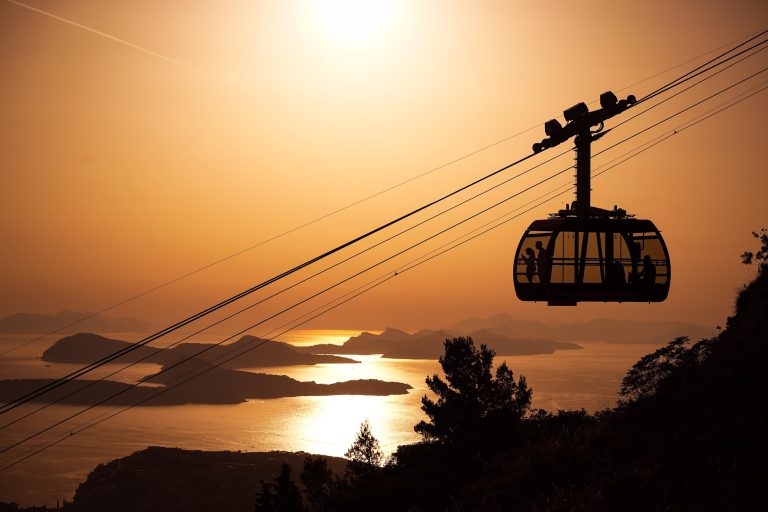
– Dubrovnik City Walls: €40 per adult Apr–Oct, dropping to €15 Nov–Mar.
Those three alone show how much the calendar drives your costs. A summer Plitvice-plus-Krka day adds €80 in tickets before transport.
For the parks, a guided day tour often works out smart. It bundles the entry ticket, transport and a guide. It also skips the ticket queue. This Krka National Park tour from Split is a popular-value option if you don’t want to drive and park yourself.
Where Does Your Money Go Furthest?
Inland and northern Croatia is where the value hides. Zagreb, Slavonia and the Istrian interior cost noticeably less than the Dalmatian coast for food and beds.
On the coast, Zadar and Šibenik give you Dalmatia at a real discount versus Split and Dubrovnik. Among islands, the less-famous ones (Vis, Korčula, Cres) beat Hvar town on price for the same swimming and seafood.
Timing beats location, though. Shoulder season (May, June, September) can cut accommodation and ferry prices 30–50% against July and August. You still get warm-enough sea and far thinner crowds. June 2026 is, honestly, one of the better-value windows of the year.
Money-Saving Tips That Actually Move the Number
– Travel in May, June or September. This is the single biggest lever, worth 30–50% on beds and ferries.
– Eat the gablec. A €10–13 daily lunch menu is the cheapest proper meal in Croatia.
– Base inland or in Zadar, day-trip to the famous spots. Sleep cheap, visit dear.
– Skip the car for island trips. Foot passenger plus local buses beats car ferries.
– Buy your terrace beer at the supermarket. A €1.60 can beats a €5 glass. It adds up over a week.
– Buy park tickets after 4pm in summer where the discounted slot exists (Plitvice).
Paying in Croatia: Cards, Cash, Euros and ATM Fees
Croatia uses the euro, full stop, since January 2023. There is no kuna anymore. There is nothing to exchange if you’re coming from the eurozone.
Cards and contactless are accepted almost everywhere, including small cafes and most island shops. Carry €20–40 in cash for tiny *konobas*, markets, parking machines and the occasional rural spot.
Watch the ATMs. Euronet machines (the blue-and-yellow ones in tourist zones) charge fees around €4.95 per withdrawal plus poor exchange rates. They always offer “conversion” you should decline. Use a bank-branded ATM (Erste, Raiffeisen, OTP). Withdraw in euros and refuse dynamic currency conversion. A multi-currency card like Revolut or Wise avoids the roughly 3% bank FX fee on non-euro accounts.
Frequently Asked Questions
Is Croatia expensive to visit?
Moderately. In 2026 it sits about level with Greece and slightly below Italy. Coastal hotspots like Dubrovnik and Hvar in August are genuinely pricey. Inland regions, the shoulder season and lesser-known islands stay good value. Budget travellers manage €50–65 a day. Mid-range visitors spend €110–150.
How much money do I need for a week in Croatia?
Per person, excluding flights: roughly €350–450 backpacking, €800–1,050 mid-range, and €1,750+ for luxury. A typical comfortable week lands near €900–1,000. That assumes a private apartment, dinners out and a couple of paid sights.
Is Croatia cheaper than Italy or Greece?
It’s cheaper than Italy on food, accommodation and attractions, though the gap is closing. Compared with Greece it’s roughly even. It’s sometimes slightly cheaper on dining and apartments. Greece can still beat it for rock-bottom backpacker beds on certain islands.
Does Croatia use euros?
Yes. Croatia joined the eurozone in January 2023 and uses the euro exclusively. The old kuna is gone. There’s nothing to exchange if you’re arriving from another euro country.
How much is a meal in Croatia?
An inexpensive restaurant meal is around €10 per person. A mid-range dinner for two runs €40–50. The cheapest proper meal is the daily lunch menu (gablec) at €10–13. A coffee is €2–3 in Zadar or Split but €6–9 on Dubrovnik’s Stradun.
Is Croatia expensive for tourists in 2026?
More than five years ago, yes. Blame the euro switch and ongoing coastal tourism inflation. But it’s still cheaper than France or Italy. Fuel is below the EU average. Shoulder-season travel cuts the biggest costs by a third or more. It’s fair value, not a bargain.
Plan Around Your Real Number
Set your style first: backpacker, mid-range or luxury. Pick your dates next. Choose June or September if you have a choice. The rest of the budget follows from the tables above. Lock accommodation early for July and August. That’s where the season premium bites hardest.
Ready to turn the number into an actual route? Start with the full Croatia travel guide to map out which regions and islands fit your budget and your days.
—
*Prices in this guide reflect June 2026 figures in euros. Park entry fees, ferry fares and rental rates change seasonally. Confirm current prices before you book.*