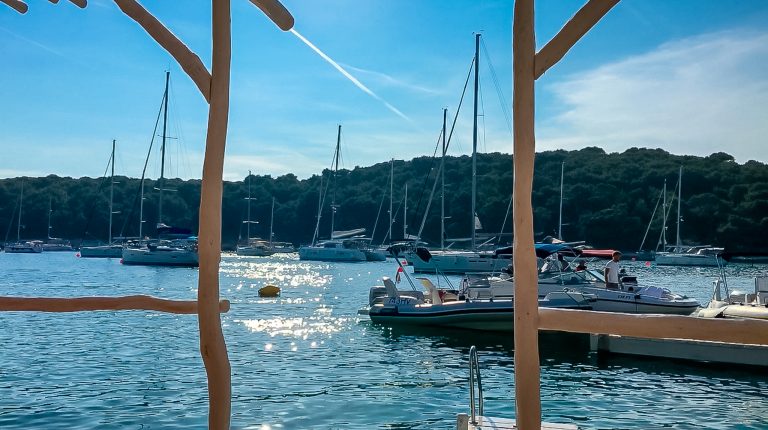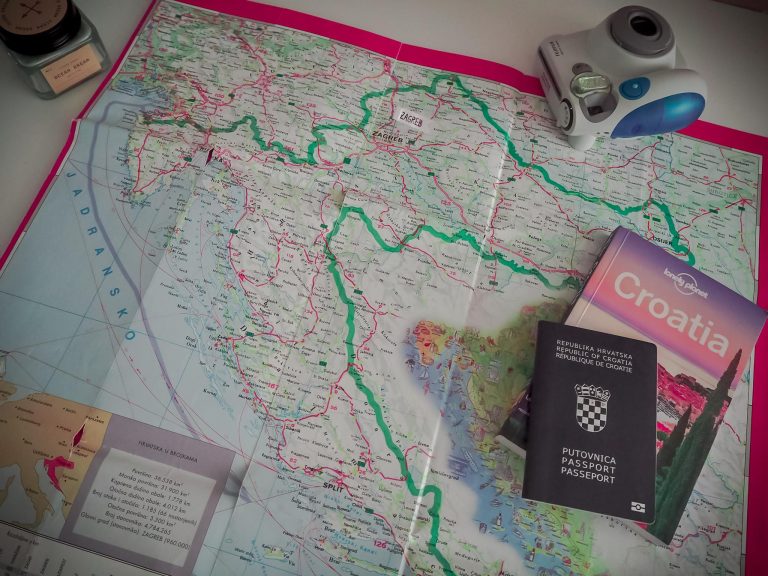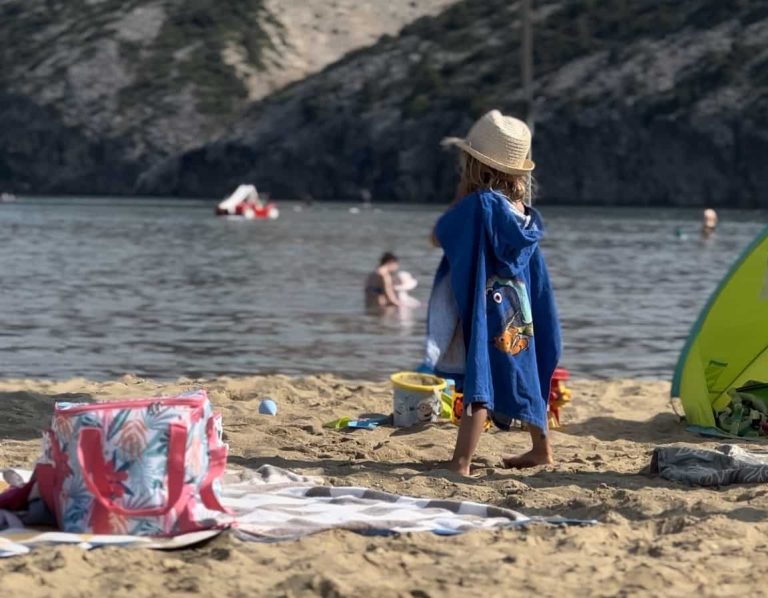
Croatia with kids is easiest when you stop planning it like a greatest-hits adult itinerary.
The country is safe, beach-heavy and full of short outdoor days, but it also has stone stairs, hot old towns, pebble beaches, ferries and national-park boardwalks that can turn a "simple" plan into a family logistics exercise. The best family trip is usually slower, beachier and more regional than the Croatia route adults plan for themselves.
This guide sorts Croatia family travel by age, base, season and common mistakes.
Quick Answer: Is Croatia Good With Kids?
Yes, Croatia is good with kids if you choose the right base and avoid overloading the itinerary.
Families usually do best in Zadar/Nin, Istria, Rab, Split with one easy island, or Dubrovnik with older kids. Plitvice and Mljet can be excellent for children who walk well, but they are not stroller-first destinations.
| Family type | Best Croatia choice | Main caveat |
| Babies and toddlers | Zadar/Nin, Istria, Rab, resort coast | Avoid too many transfers |
| Ages 5 to 10 | Plitvice, Krka, Split, Zadar, beaches | Plan shade and short sightseeing blocks |
| Tweens and teens | Dubrovnik, Mljet, island hopping, Zagreb | Give them activities, not only old towns |
| Outdoorsy families | Mljet, Plitvice, Medvednica, Istria | Heat changes everything in July/August |
| First Croatia family trip | Zadar or Split plus one island/park | Do not chase every famous place |
If this is your first Croatia trip, start with the broader Croatia travel guide for first trips and then adapt the route for family pace.
Best Places in Croatia With Kids by Age
The best place in Croatia with kids depends less on fame and more on age.
A toddler-friendly base is not always the same as a teen-friendly base. Toddlers need shade, short walks, shallow water and boringly practical accommodation. Teenagers usually need movement, boats, city energy, food, swimming and a bit of independence.
| Age | Best places | Why they work |
| 0 to 3 | Nin, Zadar area, Rab/Lopar, Poreč, Umag | Shallow beaches, apartments, easier routines |
| 4 to 7 | Zadar, Šibenik area, Istria, Split outskirts | Short day trips, beaches, simple old towns |
| 8 to 12 | Plitvice, Krka, Split, Brač, Mljet | Nature, boats, swimming, manageable walks |
| 13+ | Dubrovnik, Zagreb, Vis, Mljet, island hopping | Culture, activities, hikes, independence |
For sandy or shallow beach logic, Rab is one of the more useful islands. The Rab travel guide and Lopar destination guide are better family starting points than many more famous islands.
Best Family Bases in Croatia
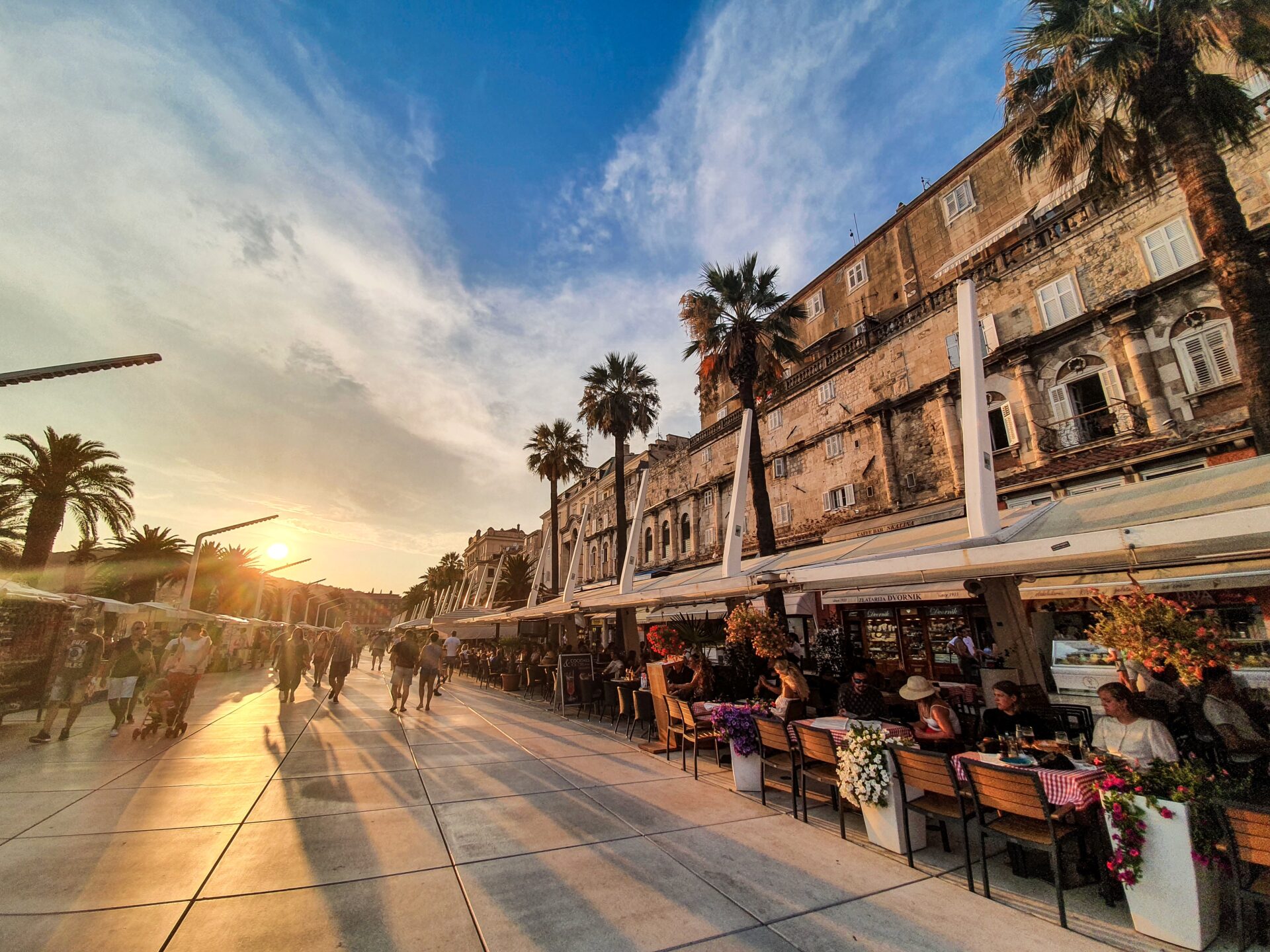
The best family bases in Croatia are the places that reduce friction.
That means easy food, realistic parking, beaches close to accommodation, day trips that do not require heroic departures and enough to do when someone is tired. A beautiful place that forces you into three transfers in one day is not a family win.
| Base | Best for | Avoid if |
| Zadar/Nin | Toddlers, shallow beaches, day trips | You want the most famous old town |
| Istria | Road trips, food, resorts, mixed ages | You do not want to drive |
| Rab/Lopar | Sandy and shallow beach time | You want nightlife or fast island hopping |
| Split area | Ferries, beaches, history, activities | You want a quiet old town in August |
| Dubrovnik/Lapad | Older kids, walls, Lokrum, boat trips | You have a stroller-heavy toddler trip |
| Mljet | Hiking, cycling, swimming, slower island time | You need lots of facilities |
| Zagreb | Museums, parks, easy inland start | You want beach time every day |
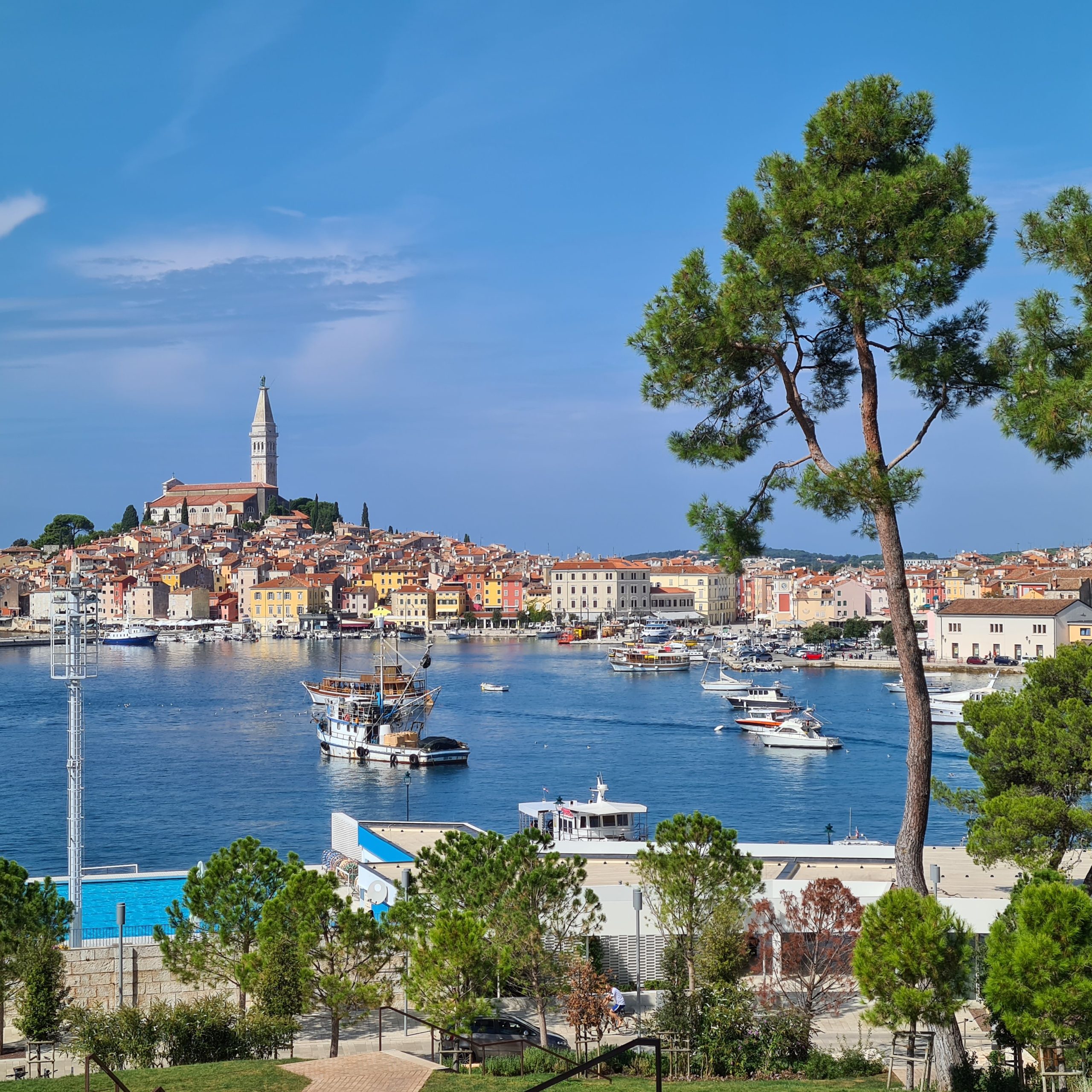
For Istria, Poreč and Umag work better for many families than prettier but tighter old-town stays. The Istria travel guide is the one to use if your family prefers food, villages and road trips over ferries.
Croatia Beaches With Kids
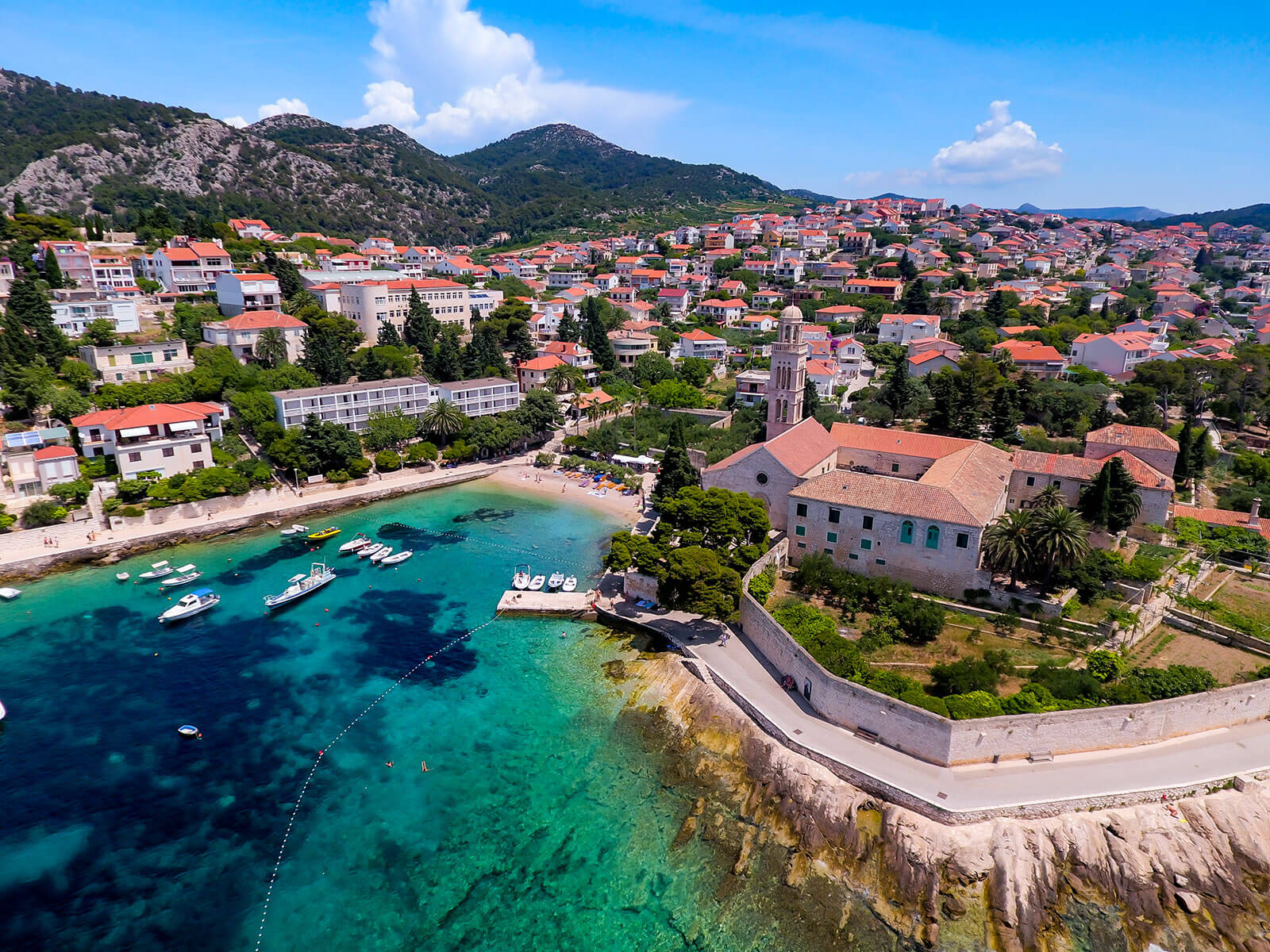
Most Croatian beaches are pebble, rock or concrete, not soft sand.
That is not a problem if you prepare for it. Water shoes help, shade matters, and a beach 5 minutes from your apartment often beats a famous cove that requires a hike, taxi boat or cliffy descent.
| Beach type | Good for kids? | What to check |
| Sandy/shallow beaches | Best for toddlers | Crowds and parking |
| Pebble beaches | Good with water shoes | Shade and depth |
| Rocky beaches | Better for older kids | Safe entry points |
| Concrete sunbathing platforms | Practical, not cozy | Ladders and waves |
| Remote coves | Great for teens | No toilets, cafés or shade |
Nin, Lopar on Rab, parts of Medulin, and family resort beaches around Istria are easier with small children. Dalmatia has excellent swimming, but many of its best beaches are pebbly or rocky, which suits older kids better than toddlers.
If your family wants islands, read the Croatia island hopping guide before booking ferries. The family version of island hopping is usually one base plus day trips, not a new island every night.
National Parks With Kids: Plitvice, Krka and Mljet
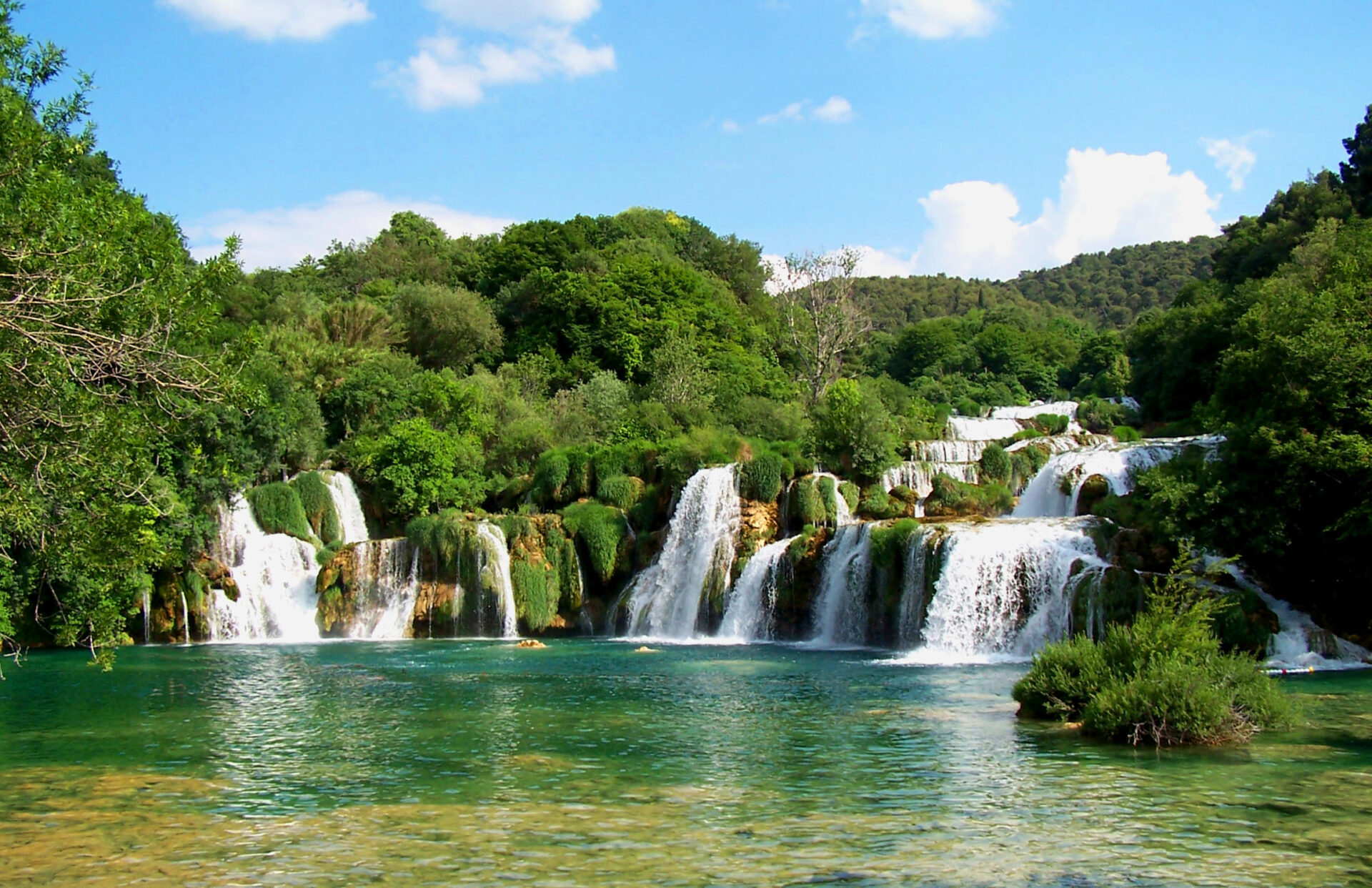
Croatia's national parks are excellent with kids who can walk, but they are not all equally easy.
Plitvice is the big one. The official route system ranges from shorter 2 to 3 hour programmes to longer 6 to 8 hour routes, and the boardwalks are part of the appeal. The catch is that strollers are awkward on narrow paths, steps and crowded boardwalk sections.
| Park | Best age | Family note |
| Plitvice Lakes | 6+ or confident walkers | Choose a shorter route, start early, avoid strollers |
| Krka | Mixed ages | Easier day-trip feel, still hot in summer |
| Mljet | 8+ and active families | Lakes, cycling, hiking, ferry planning |
| Medvednica | Zagreb families/teens | Forest walks, cooler city escape |
If you visit Plitvice independently, read the Plitvice Lakes National Park guide before choosing tickets and routes. From Zagreb, this Rastoke and Plitvice guided tour with ticket can be useful for families who do not want to handle driving, parking and timed entry in one long day.
Mljet is the better national-park island for families who like hiking, swimming and bicycles. The Mljet National Park guide explains the lakes, St Mary islet and longer hiking options if you want more than a quick Dubrovnik day trip.
Dubrovnik With Kids
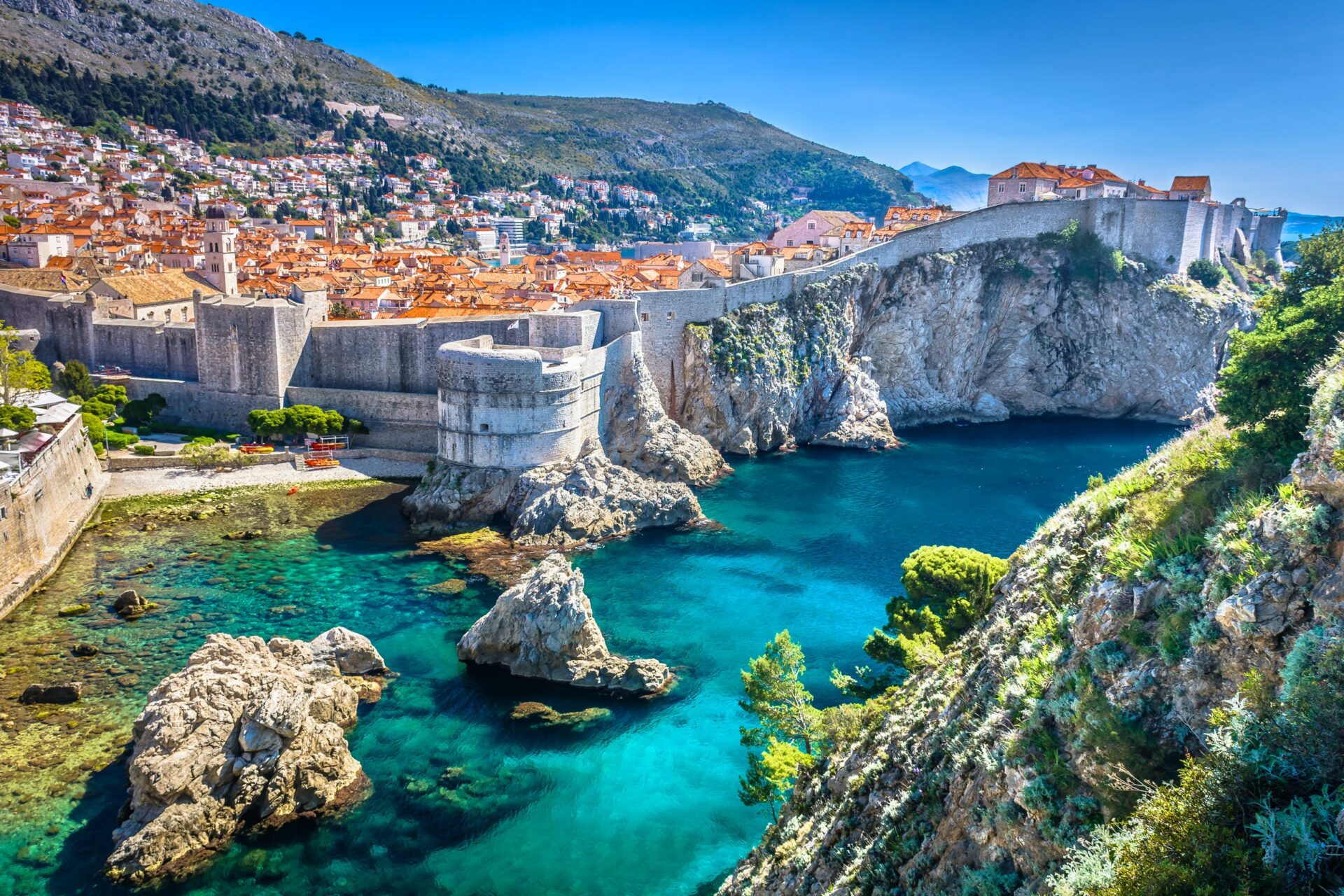
Dubrovnik can be brilliant with kids, but it is not an easy stroller city.
Stradun, the main street, is flat and simple. Many side streets are stairs, the walls are exposed, and July/August heat can make even adults go quiet in a bad way. With babies or toddlers, stay outside the old town in Lapad, Gruž or another practical area and use short old-town visits.
| Dubrovnik family plan | Best for |
| Stradun, fountains and ice cream | Toddlers and short visits |
| City walls early morning | Older kids and teens |
| Lokrum | Nature break close to the old town |
| Lapad | Easier base, beaches, restaurants |
| Elaphiti Islands | Boat day, swimming, less city pressure |
For younger children, a standard adult history tour can be too dry. This Dubrovnik for Kids family walking tour is a better match because it is built around storytelling and a shorter 1.5 hour format.
If you need a break from stone streets, an Elaphiti Islands cruise with drinks and optional lunch can work well for families with kids who are comfortable on boats. Check the exact boat, shade and lunch details before booking because not every "island cruise" feels the same with children.
Split, Zadar and Zagreb With Kids
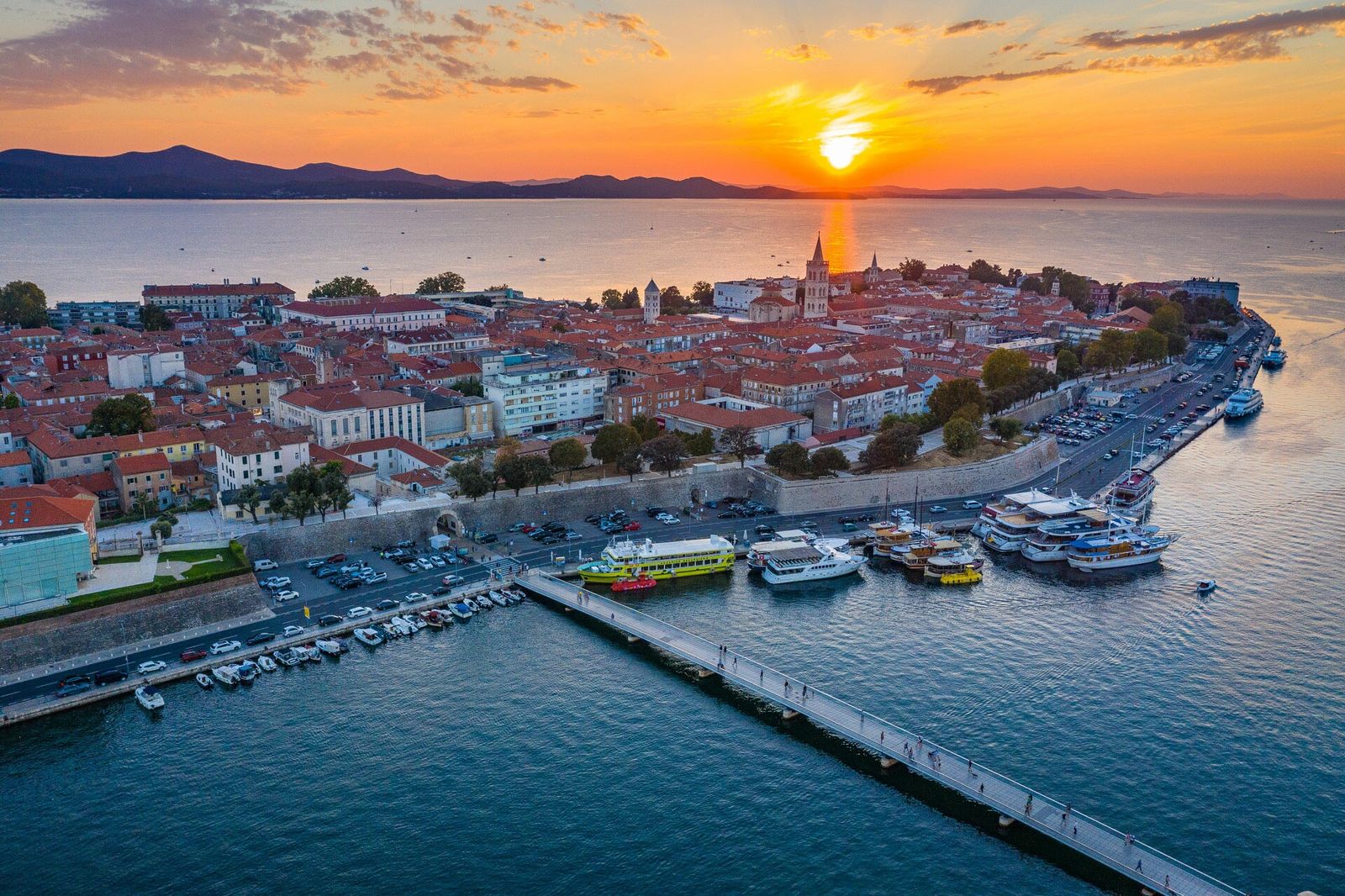
Split is better with kids when you treat it as a base, not only as Diocletian's Palace.
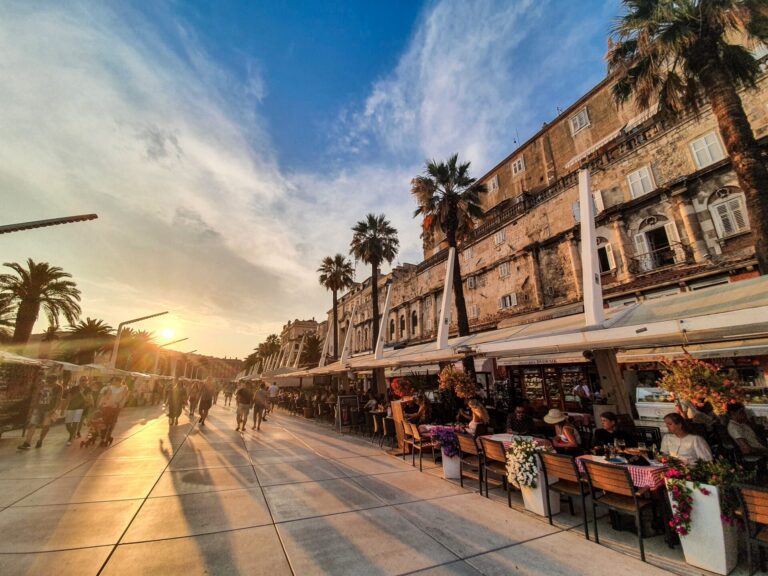
The old town is compact and useful, but the family value is ferries, beaches, Marjan, Trogir, Klis and easy day trips. Stay outside the most chaotic old-town pocket if sleep and stroller access matter.
Zadar is often easier for younger families. It has a smaller old town, sunsets, the Sea Organ, nearby Nin, islands and access to national parks without feeling as intense as Split or Dubrovnik.
Zagreb is underrated for a family start or finish. Parks, trams, museums, cafés and Medvednica give kids a break from beach-and-stone-town repetition. Use the Zagreb sightseeing guide and the Zagreb street art guide if you have older kids or teens.
| City | Family strength | Main caveat |
| Split | Ferries, beaches, Marjan, Trogir, food | Crowds and old-town sleep issues |
| Zadar | Easier old town, Nin, islands, parks | Less famous, which is partly the point |
| Zagreb | Museums, parks, trams, Medvednica | No sea |
| Dubrovnik | Big impact, walls, Lokrum, boat trips | Stairs, heat, prices |
For food with kids, keep it regional and simple. The Croatian food and drinks guide helps you spot dishes like štrukli, peka, black risotto, kulen and rakija context without falling into generic tourist menus.
Transport Tips for Croatia Family Travel
Transport is where many Croatia family itineraries fall apart.
Ferries sound romantic until someone is hungry, the luggage is heavy, the catamaran has limited outdoor space and the next connection is tomorrow. With kids, fewer base changes usually beats a longer list of places.
| Transport choice | Family advice |
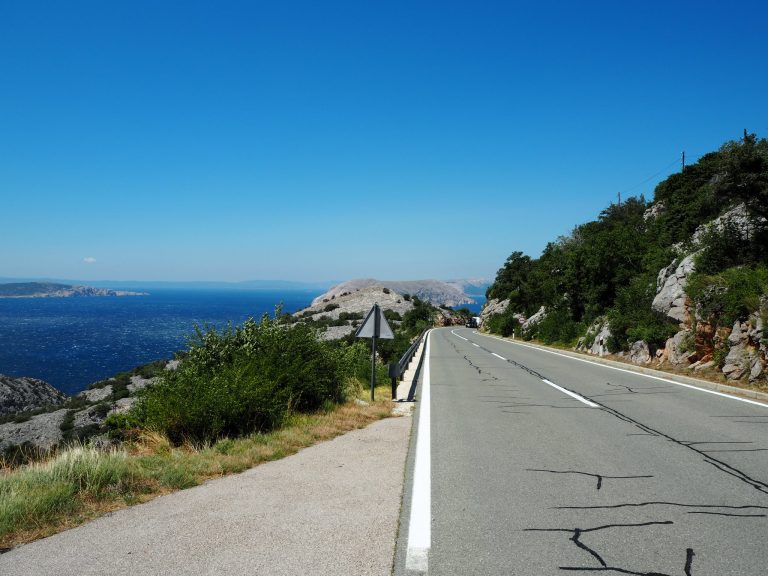
| Rental car | Best for Istria, Plitvice, Pelješac and inland routes |
| Ferries | Book around the schedule, not your fantasy itinerary |
| Catamarans | Fast, but less flexible with bad weather and luggage |
| Buses | Useful between cities, less ideal with small kids and bags |
| Tours | Good when transport is the hard part |
| Taxis/transfers | Ask about child seats before arrival |
If school holidays force a July or August trip, reduce transfers. A 9-day family trip with two bases can feel much better than a 9-day route with five sleeps and three ferry days.
What To Pack for Croatia With Kids
Pack for pebbles, heat and walking.
You do not need special Croatia gear, but the wrong shoes or no shade plan will make beach days harder than they need to be.
| Item | Why it matters |
| Water shoes | Pebbles, rocks, sea urchin caution |
| Sun hats and rash guards | Summer sun is not theoretical |
| Compact stroller or carrier | Old towns and stairs require flexibility |
| Refillable bottles | Tap water is generally safe in Croatia |
| Light layers | Ferries and evenings can be windy |
| Small first-aid kit | Scrapes happen on rocks and paths |
| Snacks | Ferry schedules and kids do not negotiate |
For Dubrovnik and Plitvice, a carrier can be more useful than a stroller. For flat promenades, resort areas and airports, a compact stroller still earns its place.
What To Skip in Croatia With Kids
Skip anything that sounds impressive but ignores family reality.
That does not mean avoiding culture or nature. It means choosing the version that your family can actually enjoy.
| Skip | Do instead |
| Dubrovnik walls at midday in August | Go early, or keep to Stradun/Lokrum |
| Three islands in three nights | Stay on one island and day-trip |
| Plitvice with a stroller-heavy plan | Use a carrier or choose an easier park day |
| Remote beaches with no shade | Choose beaches near services |
| Long car days after ferry mornings | Build in a quiet afternoon |
| Heavy-history stops for young kids | Save them for older teens |
Goli Otok, for example, can be fascinating for adults and older teenagers interested in history, but it is not a soft family beach excursion. The Goli Otok guide explains why the island needs a more thoughtful visit.
A Simple 7-Day Croatia Family Route
A good 7-day Croatia family route should choose one main region.
For many families, Zadar or Split is easier than trying to connect Dubrovnik, Hvar, Plitvice and Istria in one week.
| Day | Easy family route idea |
| 1 | Arrive in Zadar or Split, settle in, no big sightseeing |
| 2 | Old town morning, beach or park afternoon |
| 3 | Easy island or boat day |
| 4 | Beach/base day, no transfer |
| 5 | National park or nature day |
| 6 | Food, market, short city activity |
| 7 | Slow morning and departure |
If you have 10 days, add one second base. If you have two weeks, then Croatia with kids starts to feel generous: one city, one island, one national park and one food or inland region.
Frequently Asked Questions
Is Croatia good for a family holiday?
Yes, Croatia is good for a family holiday because it is safe, outdoorsy and full of beaches, islands and national parks. It works best when you choose fewer bases and plan around heat, pebbly beaches, ferries and walking distances.
Where is best in Croatia with kids?
Zadar/Nin, Istria, Rab/Lopar, Split area and Dubrovnik/Lapad are some of the best Croatia bases with kids. Choose Zadar, Rab or Istria for younger children, and Split, Dubrovnik, Mljet or Zagreb for older kids and teens.
Is Dubrovnik good with kids?
Dubrovnik is good with older kids, but harder with toddlers and strollers. Stradun is flat, but many side streets and wall sections involve stairs, so short visits, a carrier and a practical base outside the old town help.
Can you visit Plitvice Lakes with kids?
Yes, Plitvice Lakes can work well with kids who can walk confidently. Choose a shorter official route, start early, bring snacks and avoid relying on a stroller on narrow boardwalks and stepped sections.
Are Croatian beaches sandy?
Some Croatian beaches are sandy, especially around Nin and Lopar, but many are pebble, rock or concrete. Water shoes make family beach days much easier, especially in Dalmatia.
Do you need a car in Croatia with kids?
You do not need a car for a city-and-island trip based around Split, Zadar or Dubrovnik, but a car helps in Istria, Plitvice, Pelješac and rural areas. With small children, a car can reduce stress if you choose bases with parking.
Is Croatia safe for kids?
Croatia is generally safe for families, but normal travel risks still matter: heat, slippery stone streets, sea urchins, boat days, stairs and child seats in cars. Plan those practical details before the trip.
If you are still choosing the route, read the Croatia travel guide for first trips next, then decide whether your family trip should be coast-first, island-first, park-first or Istria-first.
Where to stay in Croatia: search hotels on Booking.com.