Zagreb street art is best seen while walking between the city centre, Branimirova, Art Park and a few rougher cultural pockets.
This is not a city where every important mural sits on one tidy tourist trail. Some works are official, some are temporary, some are hidden behind event spaces or railway walls, and some disappear because Zagreb keeps repainting, rebuilding and arguing with itself.
This guide explains where to look first, what areas are worth your time, when a guided street-art walk makes sense, and how to combine murals with a normal Zagreb day.
Quick Answer: Where Is the Best Street Art in Zagreb?
The best Zagreb street art areas for visitors are Branimirova Street, Art Park, Medika, the Upper Town edges and selected walls around the city centre.
Start with Branimirova if you want the historic street-art wall. Add Art Park if you are already near the Grič Tunnel and Upper Town. Add Medika if you are interested in alternative culture and do not mind a rougher setting.
| Area | Best for | Caveat |
| Branimirova Street | Famous mural wall and street-art history | Some parts have changed over time |
| Art Park | Easy add-on near Upper Town and Grič Tunnel | Seasonal/event rhythm can affect the feel |
| Medika | Alternative culture, graffiti, less polished walls | Not a glossy tourist stop |
| Upper Town edges | Smaller pieces, viewpoints, city walk | Street art is mixed with classic sightseeing |
| Student Centre / wider city walls | Bigger murals and changing works | Better with a route or guide |
If Zagreb is only one stop in your Croatia trip, use the Zagreb travel guide first. Street art works best as one layer of the city, not as the only reason to visit.
Why Zagreb Has a Real Street Art Scene
Zagreb's street art scene is not just random tags on old buildings.
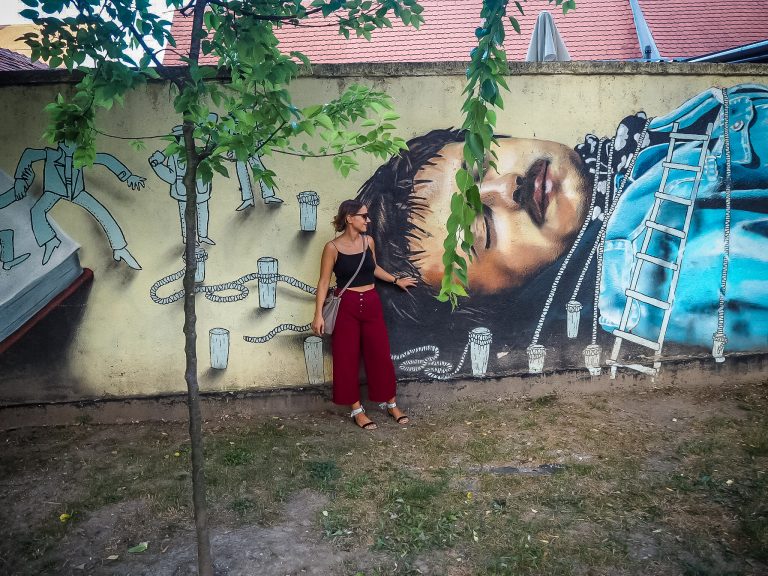
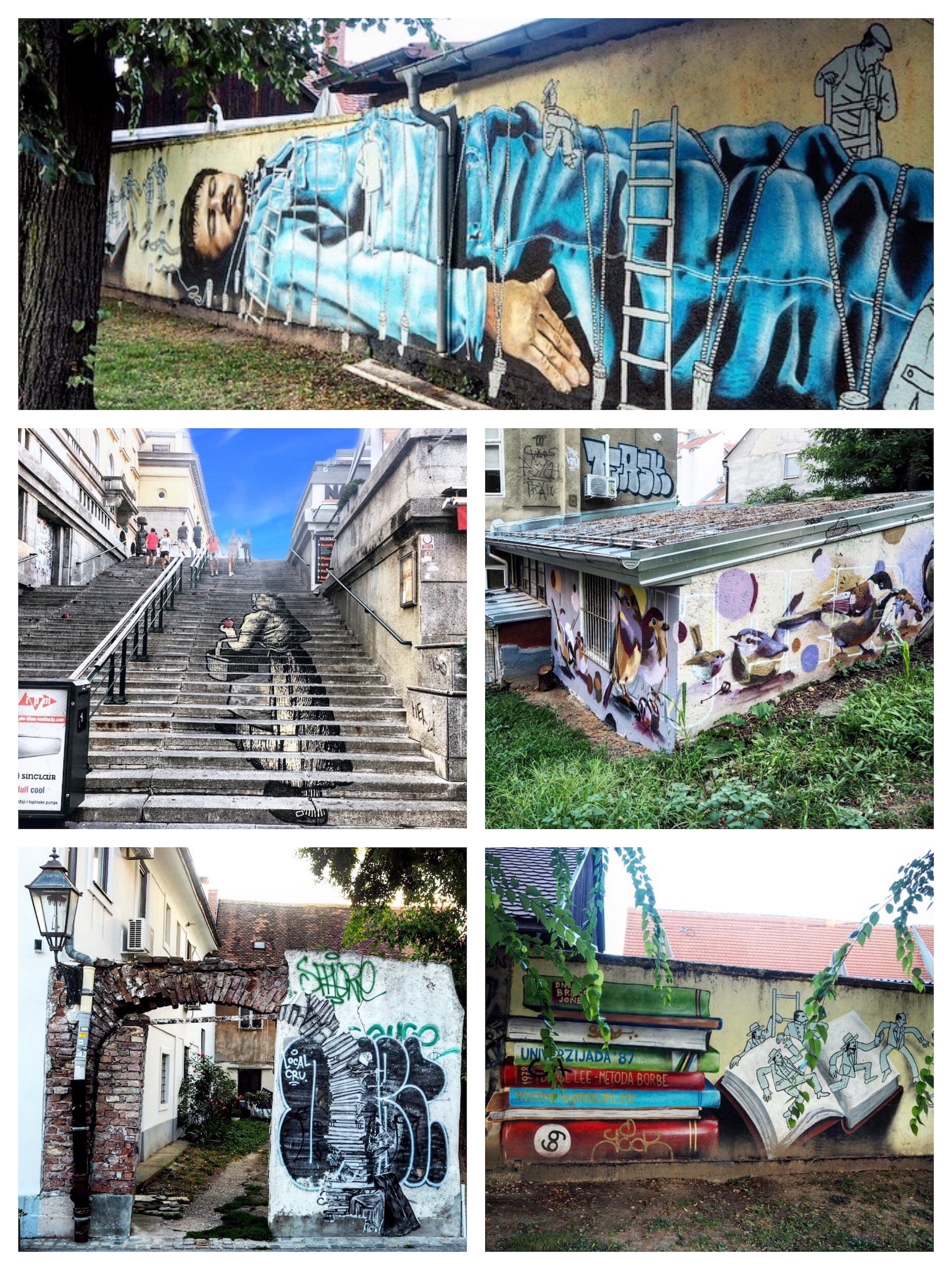
The city's public walls have been used for murals, graffiti, festivals and activist work for decades. InfoZagreb notes that Branimirova Street's famous wall was first painted in 1987, during Zagreb's hosting of the Univerzijada youth games, and later became part of the Museum of Street Art project.
That history matters because Zagreb street art is not one single style. You will see legal murals, quick graffiti, football-club markings, political messages, commissioned pieces and works by artists who later moved between street, gallery and design spaces.
| Type | What you are likely seeing |
| Murals | Larger, planned wall pieces |
| Graffiti writing | Tags, names, letter-based work |
| Character work | Figures, animals, faces, stylized scenes |
| Political/social text | Public commentary, often temporary |
| Commissioned walls | Cleaner, more maintained pieces |
The difference between a good street-art walk and a random graffiti hunt is context. Without it, you may just see walls. With it, you start seeing a city arguing, joking and showing off in public.
Branimirova Street: Zagreb's Famous Wall
Branimirova Street is the classic place to start.
The long wall near the railway has been one of Zagreb's best-known mural surfaces for decades. LoveZagreb describes Branimirova as a wall Zagrebians hold close, while InfoZagreb connects its history to the 1987 Univerzijada and the Museum of Street Art project.
Do not expect a perfectly preserved outdoor museum. That is not how street art works.
Parts of the wall have changed, disappeared, been repainted or been interrupted by urban development. That is part of the point. Zagreb's street art is not frozen; it gets negotiated in public.
| Go to Branimirova if you want | Skip if you expect |
| A historically important Zagreb street-art wall | A clean museum-like route |
| Easy access from the centre | Every piece to be labeled |
| A quick add-on to a city walk | Polished photo spots only |
For a first look, walk part of Branimirova after the centre instead of making it your whole Zagreb plan.
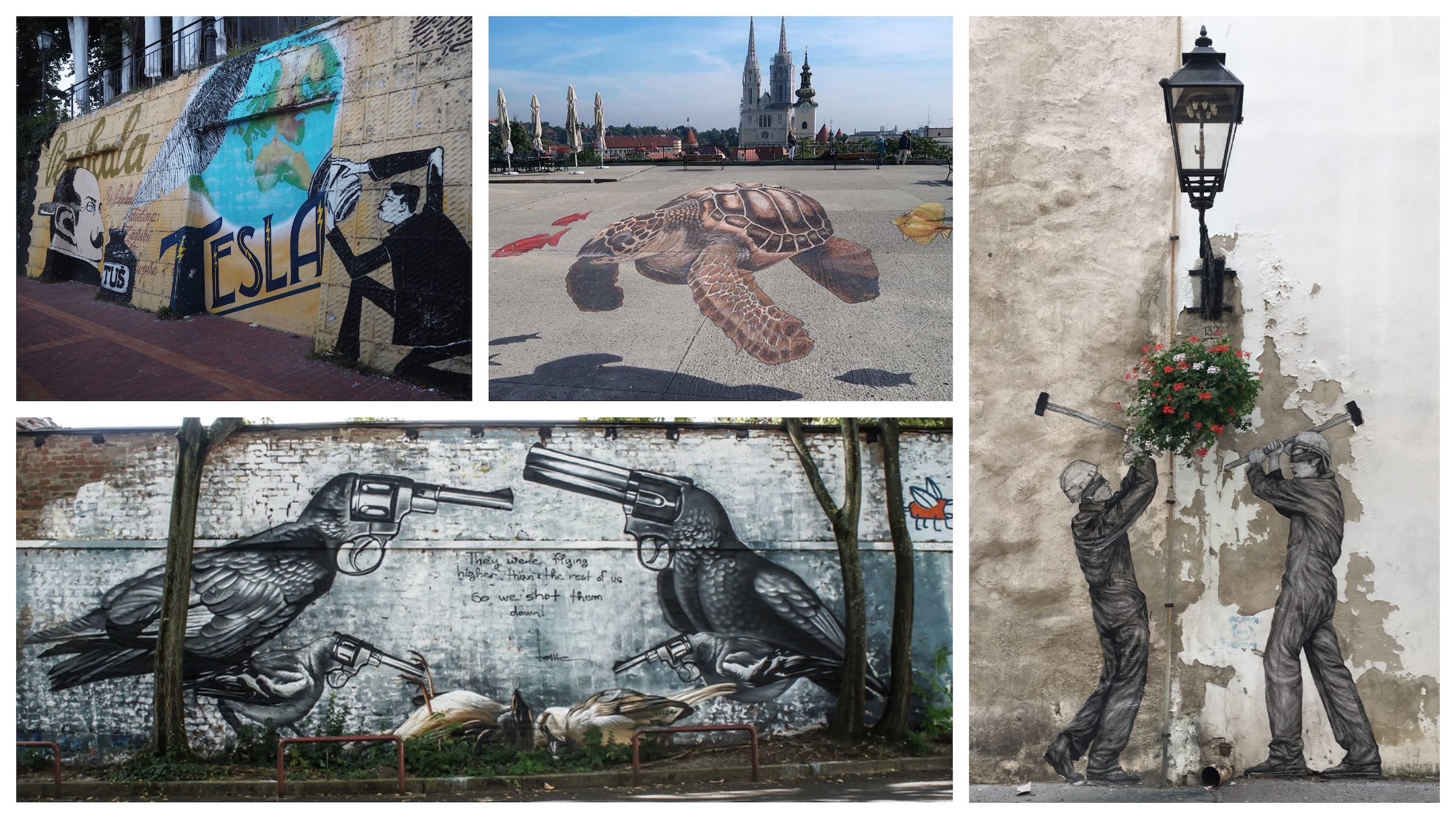
Art Park and the Grič Tunnel Area
Art Park is the easiest street-art add-on if you are already doing Upper Town.
It sits close to the Grič Tunnel area, which makes it useful for visitors who want street art without leaving the most walkable part of Zagreb. This is also why it works well for a first day: you can combine it with St Mark's Church, Upper Town viewpoints, Tkalčićeva, Dolac and cafés.
Art Park's exact feel can change with events, season and maintenance. Sometimes it feels lively and programmed; sometimes it is more of a pass-through space with walls worth noticing.
The smart route is simple:
| Stop | Why it works |
| Ban Jelačić Square | Easy starting point |
| Grič Tunnel | Quick city-centre connector |
| Art Park | Street art and outdoor culture |
| Upper Town | Views, history, small streets |
| Tkalčićeva | Cafés after the walk |
If you like cultural context more than self-guided wandering, compare this Zagreb private walking tour with an art historian. It is not a pure street-art tour, but it fits travelers who want Zagreb's art, history and city layers explained by someone who can connect the dots.
Medika and Zagreb's Alternative Side
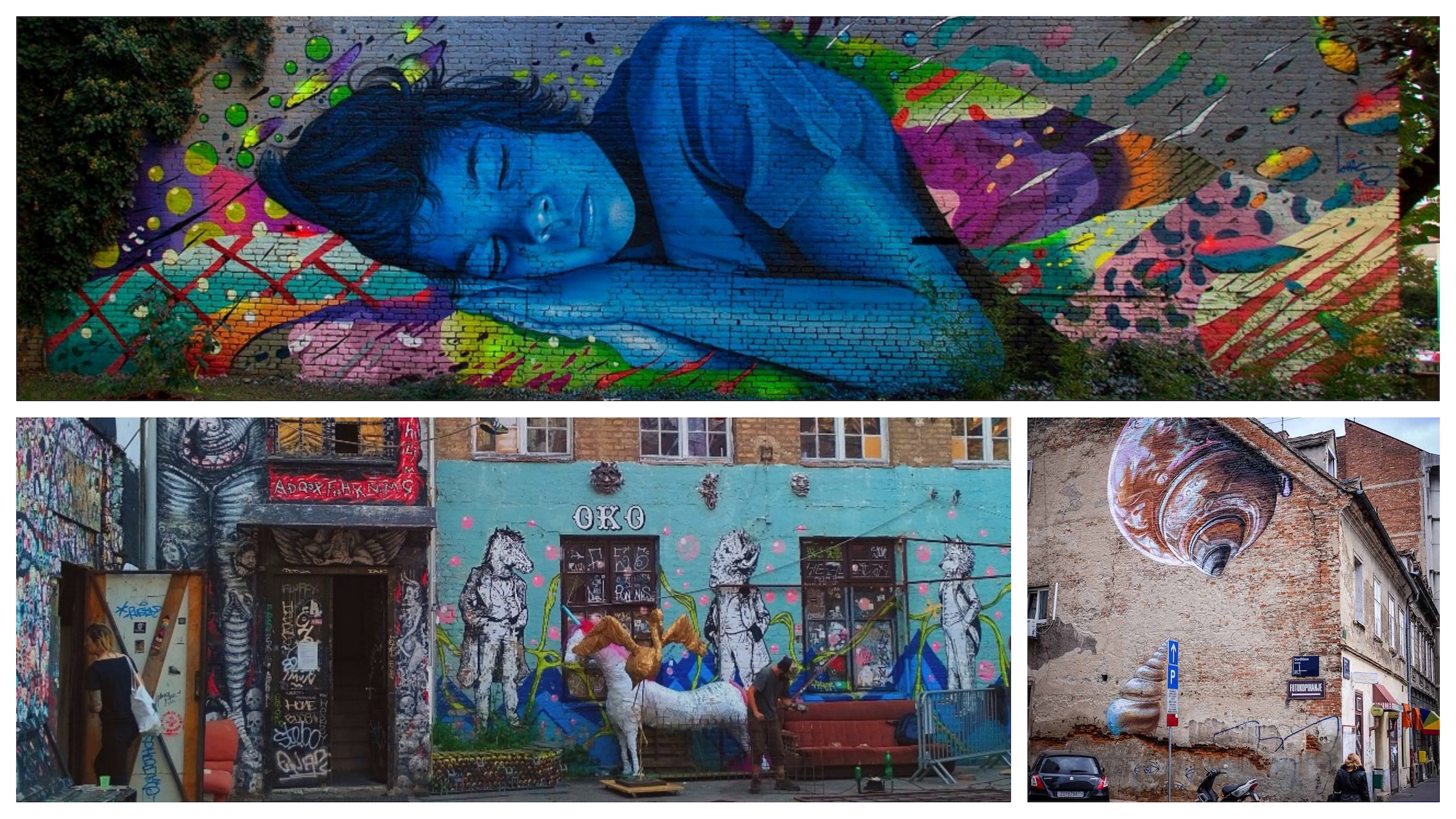
Medika is for travelers who want the rougher side of Zagreb culture.
It is not the place to go if you want polished museum lighting or a neatly maintained mural trail. It is an alternative cultural complex associated with independent events, music, graffiti and a more DIY city atmosphere.
That makes it useful, but also easy to misunderstand.
Go during the day if you only want to look around. Check current events if you want to experience the space rather than just photograph walls. And do not treat every alternative cultural site as a backdrop; people use these places, work in them and organize there.
| Medika works for | Medika is weaker for |
| Alternative culture | Family sightseeing stops |
| Graffiti and rougher walls | Polished mural photos |
| Events and local atmosphere | A quick "safe pretty place" checklist |
If you only have one day in Zagreb, Medika is optional. If you have two days and care about local culture, it becomes more interesting.
Artists To Know Before You Walk
You do not need to memorize artist names, but a few names help you notice more.
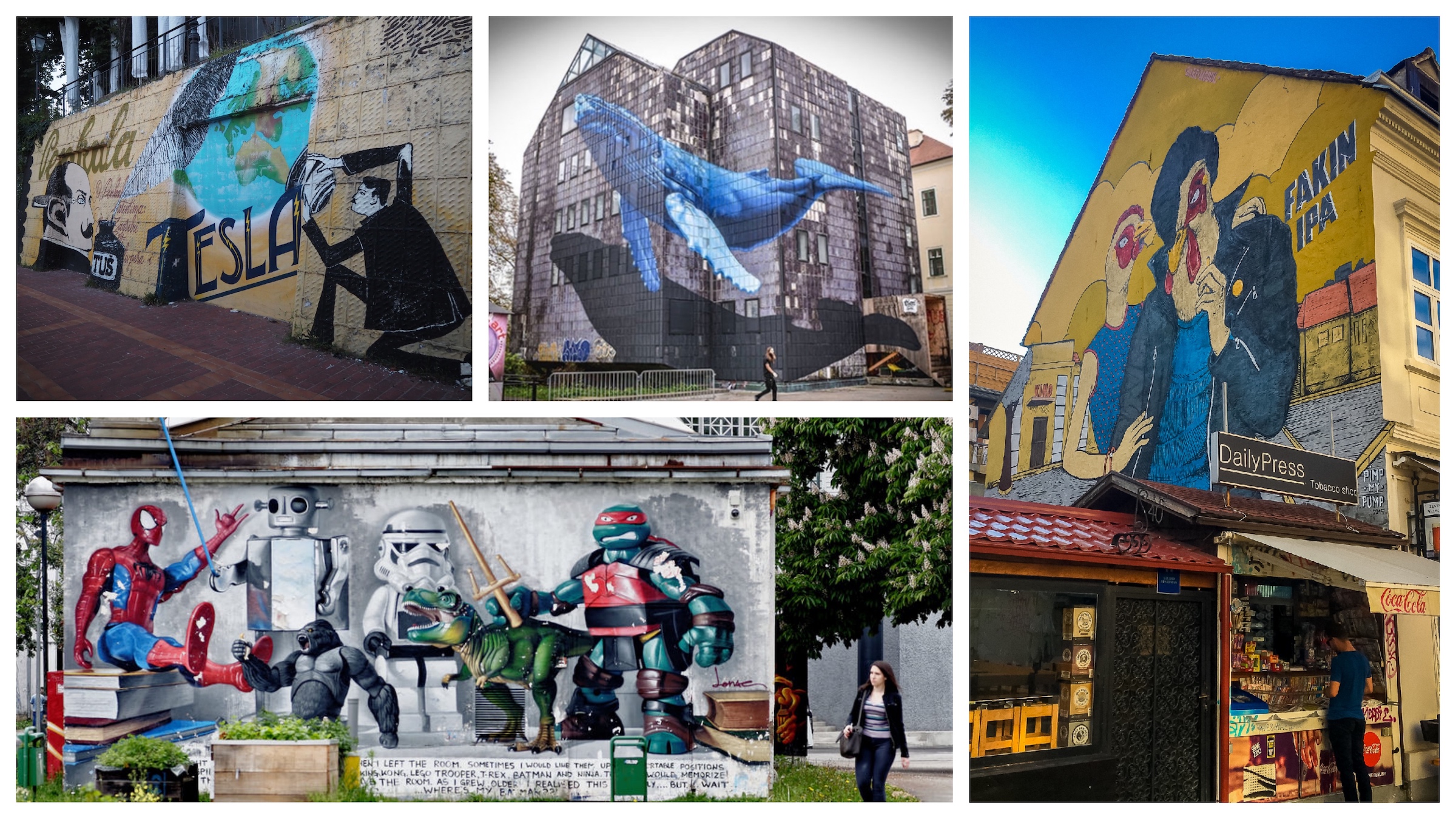
Zagreb street art includes work by Croatian artists who are known beyond single walls, including names such as OKO, Lonac, Lunar, Chez 186 and others connected with mural, graffiti and illustration scenes. International artists have also left marks in the city over time.
The useful thing is not name-dropping. It is understanding that Zagreb street art moves between street, gallery, festival, design and public-space politics.
| Artist/context type | What to look for |
| Character-based muralists | Figures, animals, surreal or illustrative scenes |
| Graffiti writers | Lettering, tags, walls with repeated names |
| Festival/commissioned artists | Larger planned works |
| Political/public text | Short messages that date the wall to a moment |
Street art changes faster than museum collections. If you find an old list of "must-see Zagreb murals," treat it as a starting point, not a guarantee.
Self-Guided Zagreb Street Art Walk
A good self-guided Zagreb street art walk takes 2 to 3 hours.
Do it as part of a normal Zagreb day, not as a rigid mural checklist. Start in the city centre, use Branimirova as the main wall stop, loop back toward the Grič Tunnel and Art Park, then finish with Upper Town or a café.
| Route segment | What to do |
| Ban Jelačić Square to Branimirova | Start central, walk toward the railway wall |
| Branimirova wall | Look slowly, not just for one mural |
| Back toward centre | Notice smaller walls and tags on side streets |
| Grič Tunnel / Art Park | Add the easiest central street-art pocket |
| Upper Town | Combine art with views and classic Zagreb |
This route is better in daylight. Night walks change the atmosphere and make some areas less useful for actually seeing details.
Should You Take a Zagreb Street Art Tour?
Take a Zagreb street art tour if you care about context.
InfoZagreb lists a Graffiti & Street Art Tour that connects the global graffiti story with Zagreb's local scene and current public works. That is the kind of product that makes sense for this topic because a guide can explain what you are seeing instead of leaving you to guess.
Self-guided works if you only want a casual walk. A tour works better if you want to understand the difference between graffiti writing, commissioned murals, artist names, local politics and temporary public art.
| Choose self-guided if | Choose a tour if |
| You have limited time | You want context |
| You mainly want photos | You want artist/background stories |
| You are already walking Upper Town | You want less guessing |
| You do not mind missing pieces | You want a planned route |
If an exact street-art tour is not available on your dates, use a broader art or city-history tour and add Branimirova/Art Park yourself.
What To Combine With Street Art in Zagreb
Street art pairs well with Zagreb's museums, cafés and markets.
This is the city where a good day can be Dolac market, coffee, a museum, a street-art walk and one proper inland Croatian meal. You do not need to force Zagreb to behave like the coast.
| If you like | Add this |
| Art | Museum of Contemporary Art or smaller galleries |
| Food | Dolac market, štrukli, Zagreb cafés |
| Culture | Upper Town, museums, Grič Tunnel |
| Nature | Medvednica if you have a second day |
| Croatia context | Glagolitic script guide or Croatian flag meaning |
For food planning, use the Croatian food and drinks guide before defaulting to generic old-town restaurants. Zagreb is one of the easiest places to eat something that is not trying to imitate Dalmatia.
Common Mistakes
The main mistake is expecting Zagreb street art to behave like a museum.
Street art changes, fades, gets painted over and moves. That is not a failure. It is part of why the scene is interesting.
| Mistake | Better approach |
| Chasing one old mural photo | Visit areas, not only single works |
| Going only at night | Walk in daylight for details |
| Treating graffiti as all the same | Learn the difference between tags, murals and writing |
| Expecting polished tourist signs | Use a guide or accept some guessing |
| Ignoring the rest of Zagreb | Combine street art with cafés, museums and Upper Town |
Do not make this a scavenger hunt for ten exact walls. Make it a way to see Zagreb differently while you are already walking the city.
Frequently Asked Questions
Where is the best street art in Zagreb?
The best street art areas in Zagreb are Branimirova Street, Art Park, Medika and selected walls around the city centre and Upper Town edges. Branimirova is the classic starting point because of its long mural-wall history.
Is Zagreb good for street art?
Yes, Zagreb is good for street art if you are interested in murals, graffiti, alternative culture and changing public walls. It is not a single open-air museum, so the best approach is to explore areas rather than chase one fixed route.
Can you see Zagreb street art on your own?
Yes, you can see Zagreb street art on your own, especially around Branimirova Street, Art Park and the centre. A guided walk is better if you want artist names, history and context.
How long do you need for a Zagreb street art walk?
Plan 2 to 3 hours for a relaxed self-guided walk. That is enough for Branimirova, parts of the centre, Art Park and an Upper Town add-on.
Is Medika Zagreb worth visiting?
Medika is worth visiting if you are interested in alternative culture, graffiti and independent events. It is not the best choice for polished sightseeing or a first short family walk.
What should you combine with street art in Zagreb?
Combine street art with Upper Town, Grič Tunnel, Dolac market, cafés and one museum. Zagreb works best when you let the city layers overlap instead of treating murals as a separate checklist.
If you are planning more than one day in the city, read the Zagreb travel guide next and decide whether street art, museums, food or Medvednica should shape your second day.
Where to stay in Zagreb: search hotels on Booking.com.