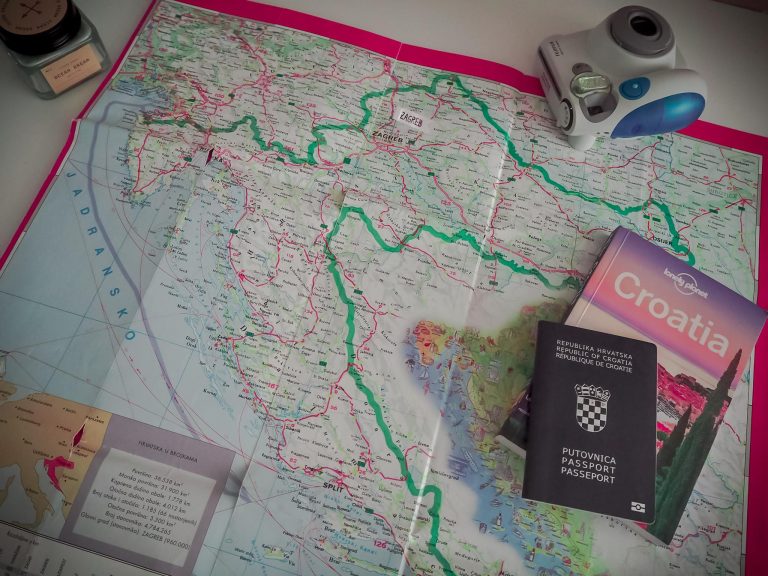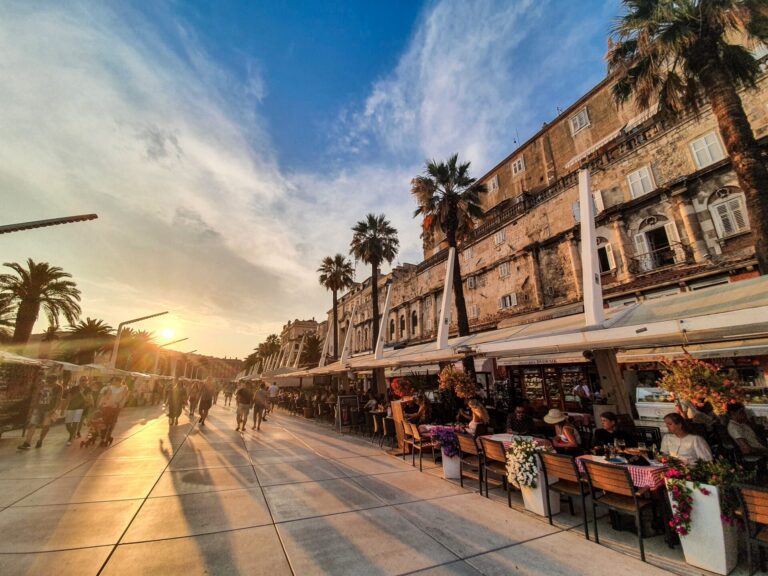
The fastest realistic way from Split to Dubrovnik is the FlixBus. It covers the 230 km in about 3.5 to 4.5 hours. Fares run €11 to €25 if you book ahead. The catamaran is slower at roughly 4.5 to 5.5 hours. It only runs April through October. But it skips the highway. You get the coast and islands instead. Driving yourself takes about 3 to 3.5 hours. The Pelješac Bridge now lets you bypass the Bosnia border entirely.
Here’s the short version. Take the bus if you want cheap and reliable year-round. Take the Krilo catamaran in summer if the journey itself is part of the trip. Drive or book a private transfer if you want to stop in Ston for oysters and Pelješac for wine. A guided day tour only makes sense if you’re coming back to Split the same day.
This guide breaks down every option with current 2026 prices, durations, and the honest tradeoffs.
How long does it take to get from Split to Dubrovnik?
The two cities sit about 230 km apart by road along the Dalmatian coast. There’s no train. Your real choices are bus, catamaran, your own car, or a paid transfer or tour.
Travel times in 2026 look like this: The bus takes 3.5 to 4.5 hours. The catamaran takes 4.5 to 5.5 hours. Self-drive is 3 to 3.5 hours non-stop. A private transfer runs 3.5 to 6 hours depending on stops. The bus and the drive are now faster than they used to be. The Pelješac Bridge cut out the old Bosnia border queues.
Split to Dubrovnik by bus: cheapest and most frequent
The bus is the budget winner and runs all year. FlixBus, Arriva (Autotrans), Nomago, and a few smaller operators run this route. Peak season sees around 13 departures a day.
Fares start at €11 if you book in advance. They climb to about €20 to €25 last-minute or in August. The fastest FlixBus does it in 3 hours 45 minutes. The average across operators is closer to 4 to 4.5 hours. Most departures leave from Split’s main bus station next to the ferry port. They arrive at Dubrovnik’s bus station at Gruž, about 3 km from the Old Town.
The honest catch: not every bus uses the Pelješac Bridge. Some older routings still cross the short Neum strip through Bosnia. That means two passport checks. Expect possible queues in July and August. Check the operator’s route before booking if you want to guarantee the bridge. Book on the operator sites directly or compare fares on Omio.
Pros: cheapest, most frequent, year-round, no driving.
Cons: no guaranteed coast views, possible border stop on some routes, no flexibility to stop along the way.
Split to Dubrovnik by ferry: the scenic catamaran
There’s no car ferry between Split and Dubrovnik. The only sea option is the Krilo (Kapetan Luka) fast catamaran. It’s passenger-only.
It runs once a day in each direction from 1 April to 31 October. That makes it a summer-only choice. The trip takes 4.5 to 5.5 hours. The boat stops at Milna on Brač, Hvar Town, Korčula, and Pomena on Mljet along the way. A one-way adult ticket runs roughly €40 to €50 in high season.
The catamaran is the slowest option on paper. But it’s the most pleasant. You’re on the water passing islands instead of staring at a highway. Book ahead online. The single daily sailing sells out in July and August. Walk-up tickets are not reliable.
Pros: scenic, calm, drops you at Dubrovnik’s Gruž port, lets you island-hop. Cons: seasonal, one sailing a day, slower, no cars, sells out in summer.
Split to Dubrovnik by car: the Pelješac Bridge changed everything
Self-driving is now the fastest door-to-door option and the most flexible. The non-stop drive is about 3 to 3.5 hours on the D8 coastal route and the A1 motorway.
The big 2026 fact: the Pelješac Bridge has been open since July 2022. It lets you stay inside Croatia the entire way. Before the bridge you had to cross into Bosnia at Neum and back out at Klek. That meant two border checks. Summer queues ran 30 to 45 minutes. Now you cross the bridge and skip Bosnia completely. Bring your passport anyway. You no longer need it for the drive itself.
One thing to plan around: the bridge is scheduled for renovation work. The work starts October 2026 and runs through about May 2027. Expect single-lane sections and reduced speed limits in late 2026. That could add time. For a June or summer 2026 trip you’re fine.
You can rent a car at Split airport or in the city centre and drop it in Dubrovnik. One-way drop fees apply. It pays to compare rates across providers on Discover Cars and flag the one-way drop when you book.
Pros: fastest, fully flexible, lets you stop in Ston and Pelješac. Cons: parking in Dubrovnik is expensive and limited, one-way rental fees, fuel and tolls add up.
Private transfer or guided day tour with stops
A private transfer is the comfortable middle ground. It suits you if you don’t want to drive but do want to stop along the way. A driver collects you in Split. You choose the stops. You arrive in Dubrovnik ready to explore.
The natural stops are Ston for its medieval walls and oysters, Mali Ston for oyster tasting, and a Pelješac winery for the region’s red wines. A door-to-door transfer with one or two stops takes around 4 to 6 hours. It depends on how long you linger. You can book a private Split to Dubrovnik transfer with flexible stop options and tailor it to wine, oysters, or both.
A guided day tour is a different thing. It takes you to Dubrovnik and brings you back to Split the same day. So it only works if Split is your base and you’re not relocating. If that’s your plan, this day trip from Split includes a stop in Ston on the way down.
Pros: comfortable, flexible stops, no driving or parking stress. Cons: most expensive per person, day tour means a long round-trip in one day.
Should you stop at Ston, Pelješac, or Makarska on the way?
If you’re driving or taking a transfer, yes, build in a stop. The road runs through some of Dalmatia’s best food and wine country. Rushing past it is a waste.
Ston is the obvious one. It has the second-longest defensive walls in Europe, plus working salt pans. Mali Ston next door produces some of the best oysters in Croatia. Read more in the guide to the Ston walls and oysters before you go.
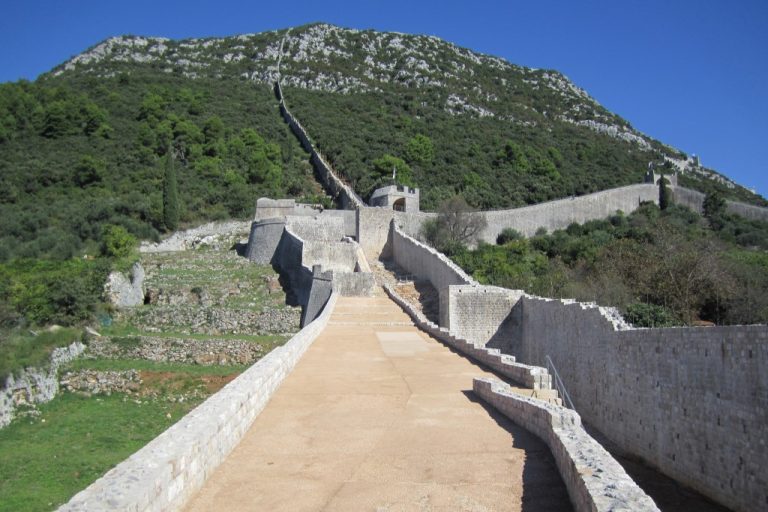
Pelješac is the wine stop, known for bold reds from the Plavac Mali grape. Makarska, roughly halfway, is a good coffee-and-beach break if you leave early. None of this is possible on the bus or catamaran. That’s the main reason to drive or hire a transfer.
Split to Dubrovnik comparison table
| Mode | Duration | Price (one-way) | Frequency | Best for |
|---|---|---|---|---|
| Bus (FlixBus/Arriva) | 3.5 to 4.5 hrs | €11 to €25 | ~13/day, year-round | Budget travellers, reliability |
| Catamaran (Krilo) | 4.5 to 5.5 hrs | €40 to €50 | 1/day, Apr to Oct | Scenery, island-hopping |
| Self-drive | 3 to 3.5 hrs | Fuel + tolls + rental | Anytime | Flexibility, stops en route |
| Private transfer | 3.5 to 6 hrs | Higher, per car | On demand | Comfort plus stops, no driving |
| Day tour (round-trip) | Full day | Per person | Seasonal | Day trip from a Split base |
Which option is best for your situation?
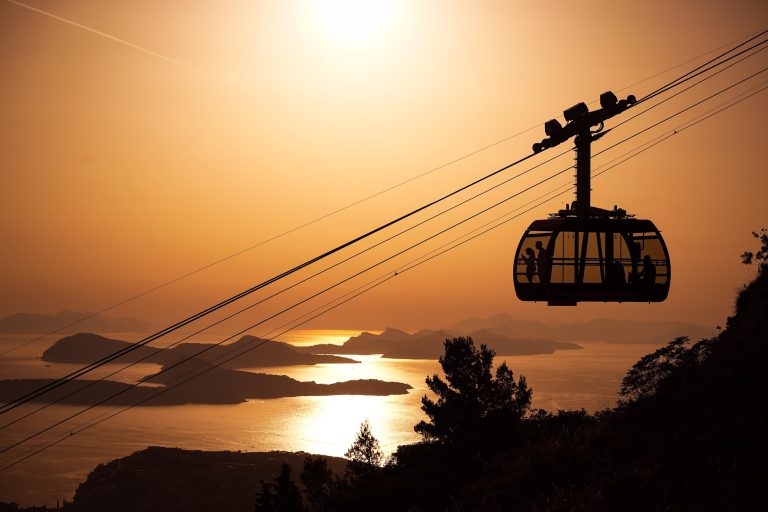
Travelling on a budget and don’t care about views: take the FlixBus and book a few days ahead for the €11 fare. It’s the simplest year-round choice.
Visiting in summer and want the journey to count: book the Krilo catamaran. It’s slower. But you trade the highway for the Adriatic and a string of islands.
Want to stop for oysters and wine: drive yourself or book a private transfer through Ston and Pelješac. This is the option that turns the transfer into part of the holiday.
Based in Split and not relocating: a guided day tour gets you to Dubrovnik and back without changing hotels.
Frequently Asked Questions
How do you get from Split to Dubrovnik?
You can take a bus, the Krilo catamaran, drive yourself, or book a private transfer. There’s no train. The bus is cheapest and runs all year. The catamaran is scenic but summer-only. Driving is the fastest and most flexible now that the Pelješac Bridge bypasses the Bosnia border.
Is there a ferry from Split to Dubrovnik?
Yes, but it’s a passenger-only catamaran, not a car ferry. The Krilo (Kapetan Luka) fast catamaran runs once a day from 1 April to 31 October. It takes 4.5 to 5.5 hours and costs around €40 to €50 one-way. It stops at Brač, Hvar, Korčula, and Mljet on the way.
How long is the drive from Split to Dubrovnik?
About 3 to 3.5 hours non-stop for the 230 km, using the D8 coastal road and the A1 motorway. Add time if you stop in Ston, Pelješac, or Makarska. Expect minor delays in late 2026 if the Pelješac Bridge renovation has started.
Do you cross into Bosnia driving Split to Dubrovnik?
No, not anymore if you use the Pelješac Bridge, which opened in 2022. The bridge lets you stay inside Croatia the whole way and skip the old Neum border crossings through Bosnia. Bring your passport anyway. You no longer need it for the drive. Note that some buses still route through Neum, so check before booking.
What is the cheapest way from Split to Dubrovnik?
The bus, with fares from €11 if you book a few days in advance. FlixBus and Arriva run around 13 services a day year-round. Even last-minute summer tickets rarely exceed €25.
Does the catamaran or bus stop in Dubrovnik Old Town?
Neither stops directly at the Old Town. The catamaran arrives at Gruž port and the bus at the Gruž bus station. Both sit about 3 km from the Old Town. From there it’s a short local bus, taxi, or a 30-minute walk.
Next step
Pin down your travel month first. That decides whether the catamaran is even running. Then compare bus times and book ahead for the cheap fare. Or lock in a transfer if you want to stop for oysters and wine. Sort your beds early too. Browse hotels in Dubrovnik on Booking.com for your arrival and hotels in Split on Booking.com for the nights before you leave. When you arrive, the Dubrovnik destination guide covers where to stay and what to see. The Split destination guide helps you make the most of your last days.